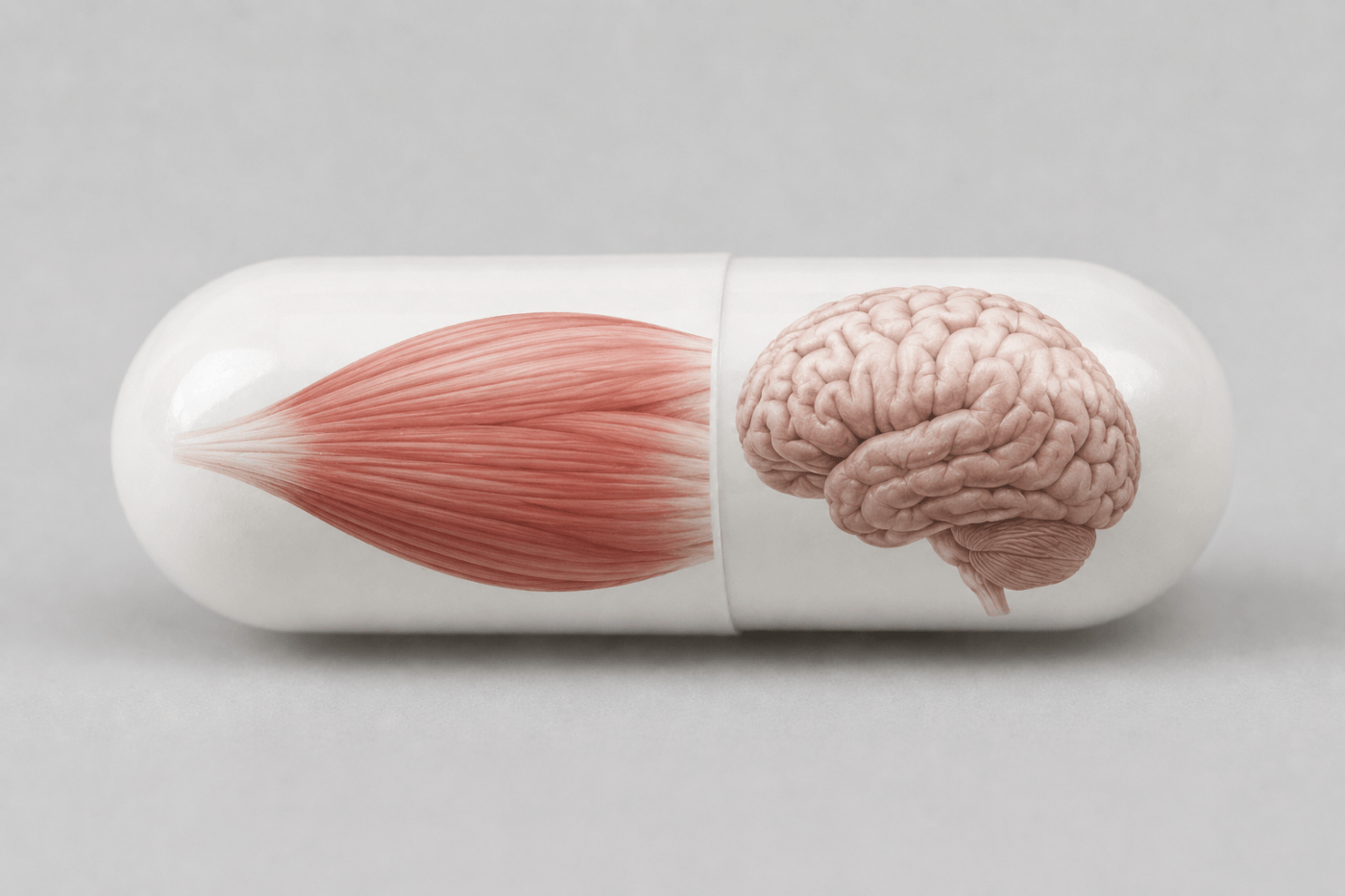
Ozempic and its siblings have dominated medical headlines for years first for diabetes, then for weight loss, then for heart health. This week, two new studies push the story even further, in very different directions.
GLP-1 Drugs May Fight Addiction Too
A massive new study out of Washington University School of Medicine, published in The BMJ, analyzed the health records of more than 600,000 U.S. veterans with type 2 diabetes. The question researchers asked was unusually broad: do GLP-1 drugs like semaglutide (Ozempic, Wegovy) reduce substance use disorders, not just for one substance, but across the board?
The answer was yes.
People taking GLP-1 medications were less likely to develop substance use disorders involving alcohol, nicotine, cannabis, cocaine, opioids, and other drugs. Among those already struggling with addiction, GLP-1 users experienced fewer overdoses, hospitalizations, emergency visits, and drug-related deaths.
The study tracked participants for up to three years after they began GLP-1 treatment, comparing them to a control group taking a different diabetes drug. Researchers followed over 524,000 participants without a prior substance use disorder, and more than 81,000 who already had one.
What’s the mechanism? GLP-1 receptor agonists appear to modulate dopamine reward signaling, the same pathway implicated in addiction, which may explain why patients on these drugs have long reported decreased interest in alcohol and nicotine.
Caution is warranted, though. The findings are not yet sufficient to justify choosing GLP-1s over approved addiction treatments like naltrexone. More trials are expected to read out later this year. But the consistency of the effect across every major addictive substance studied is striking, and researchers say it strongly supports the case for dedicated clinical trials.
A New Pill That Works Completely Differently
Meanwhile, researchers at the Karolinska Institutet and Stockholm University published a study in Cell describing a new experimental tablet for type 2 diabetes and obesity, one that takes a fundamentally different approach from anything currently on the market.
Unlike GLP-1 drugs, which work mainly by reducing hunger through signals between the gut and the brain, this new compound targets skeletal muscle directly and activates its metabolism rather than focusing on appetite.
The implications are significant. One of the known downsides of GLP-1 drugs is muscle loss some studies have shown they can reduce lean muscle mass by up to 60% during weight loss, which slows resting metabolism and makes it harder to maintain results long-term. The new pill appears to sidestep this problem entirely.
In animal studies, the medication successfully controlled blood glucose, boosted fat burning, and retained muscle mass. In an early human clinical trial with 48 healthy adults and 25 people with type 2 diabetes, it received high marks for tolerability and safety.
In combination with GLP-1 therapy in animal models, the drug was even able to counteract the muscle loss that typically occurs with incretin-based weight loss treatments, suggesting it could eventually be used alongside Ozempic rather than instead of it.
As one of the lead researchers put it: “Muscles are important in both type 2 diabetes and obesity, and muscle mass is also directly correlated with life expectancy.”
The drug is still early-stage, headed into larger trials. But the underlying approach, boosting the body’s own metabolic engine rather than dialing down appetite — represents a genuinely new direction in a field that has been dominated by one mechanism for years.
Two studies, two very different paths forward. One expands what we thought a diabetes drug could do. The other challenges the assumption that suppressing hunger is the only way forward. Worth watching.
 Scents of Science
Leave a comment