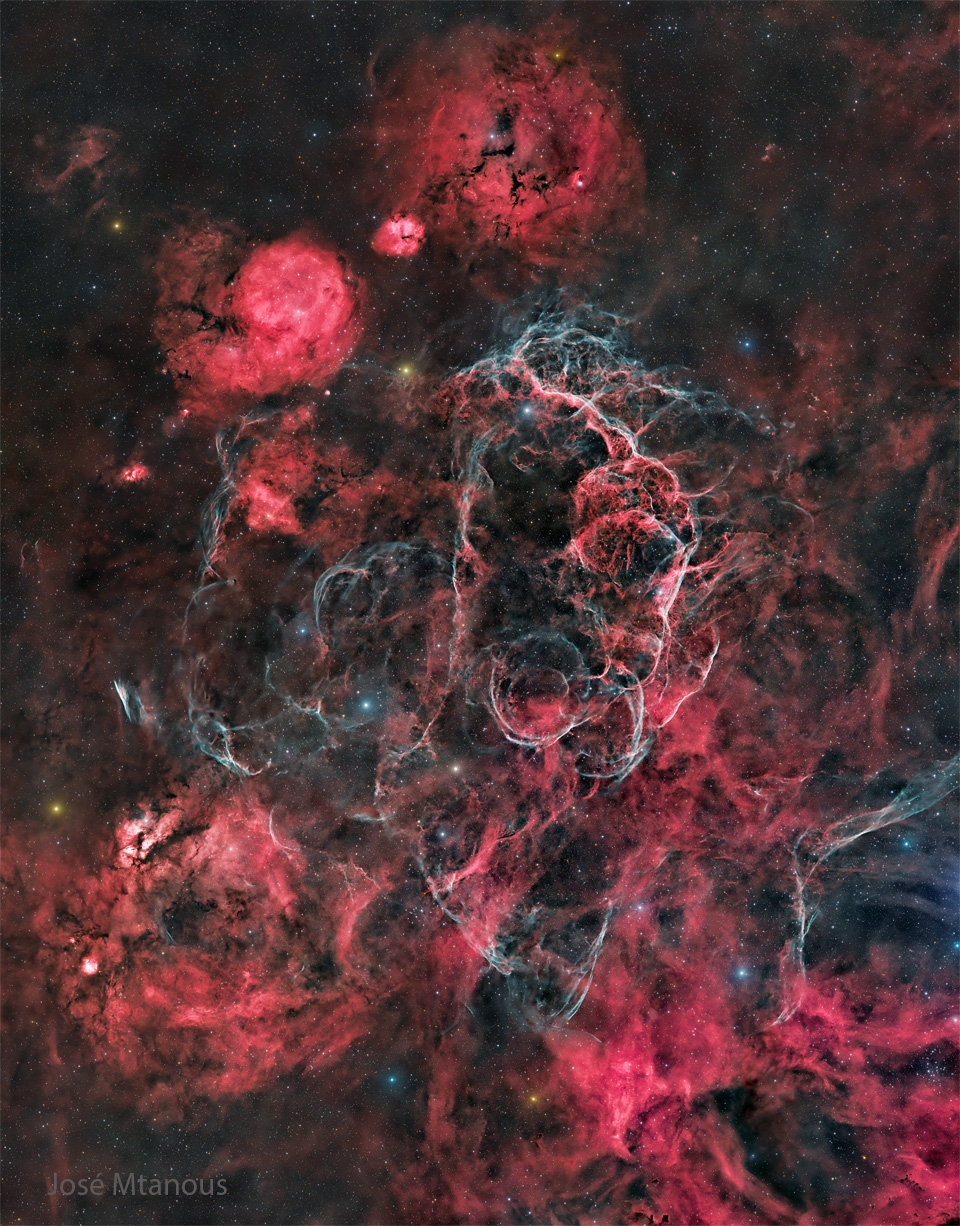
Today's NASA Astronomy Picture of the Day features the Vela Supernova Remnant — a vast tangle of glowing filaments left by a star that exploded 12,000 years ago, just 800 light-years from Earth. At its heart, a pulsar spins ten times per second.
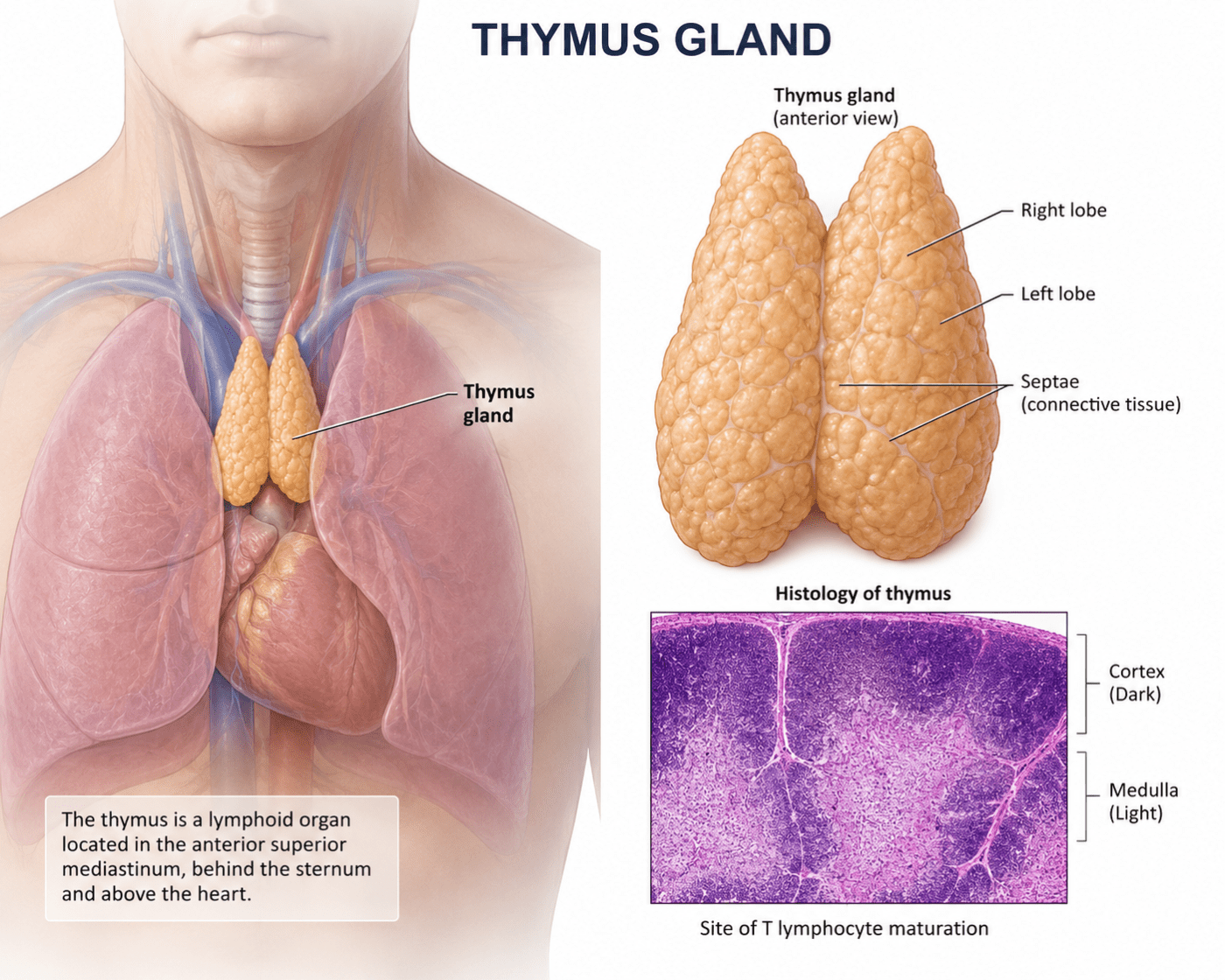
New Harvard-affiliated research published in Nature reveals the thymus — long thought irrelevant in adults — may be a critical predictor of longevity, cardiovascular health, and cancer immunotherapy response.

Researchers have done something quietly extraordinary: they built a new state of matter from scratch, one that physicists theorised could exist but that no one had ever actually managed to create or hold stable. Published last week in the journal... Continue Reading →
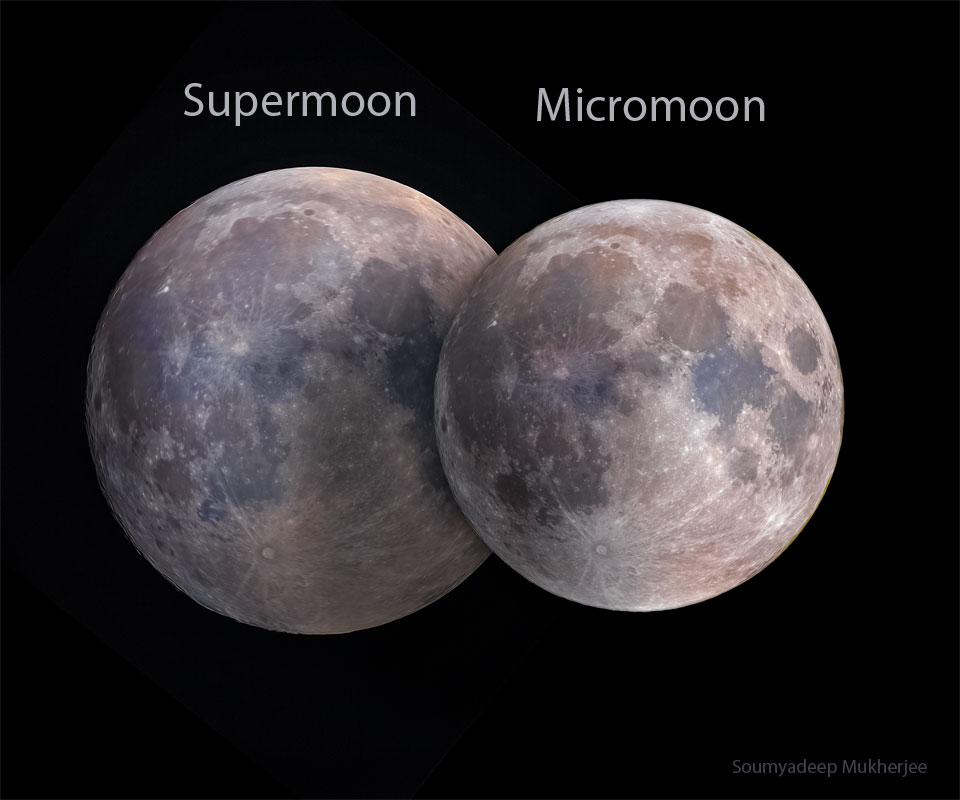
Last night's full moon was easy to miss, and that was rather the point. While supermoons dominate headlines with their oversized glow, May 30th delivered the opposite: a blue micromoon, the farthest, smallest, and dimmest full moon of the year.... Continue Reading →

We all know the feeling: a bad night's sleep leaves you foggy, irritable, and struggling to remember where you put your keys. But new research published in Neuropsychopharmacology suggests that sleep deprivation does something more specific and more troubling than... Continue Reading →
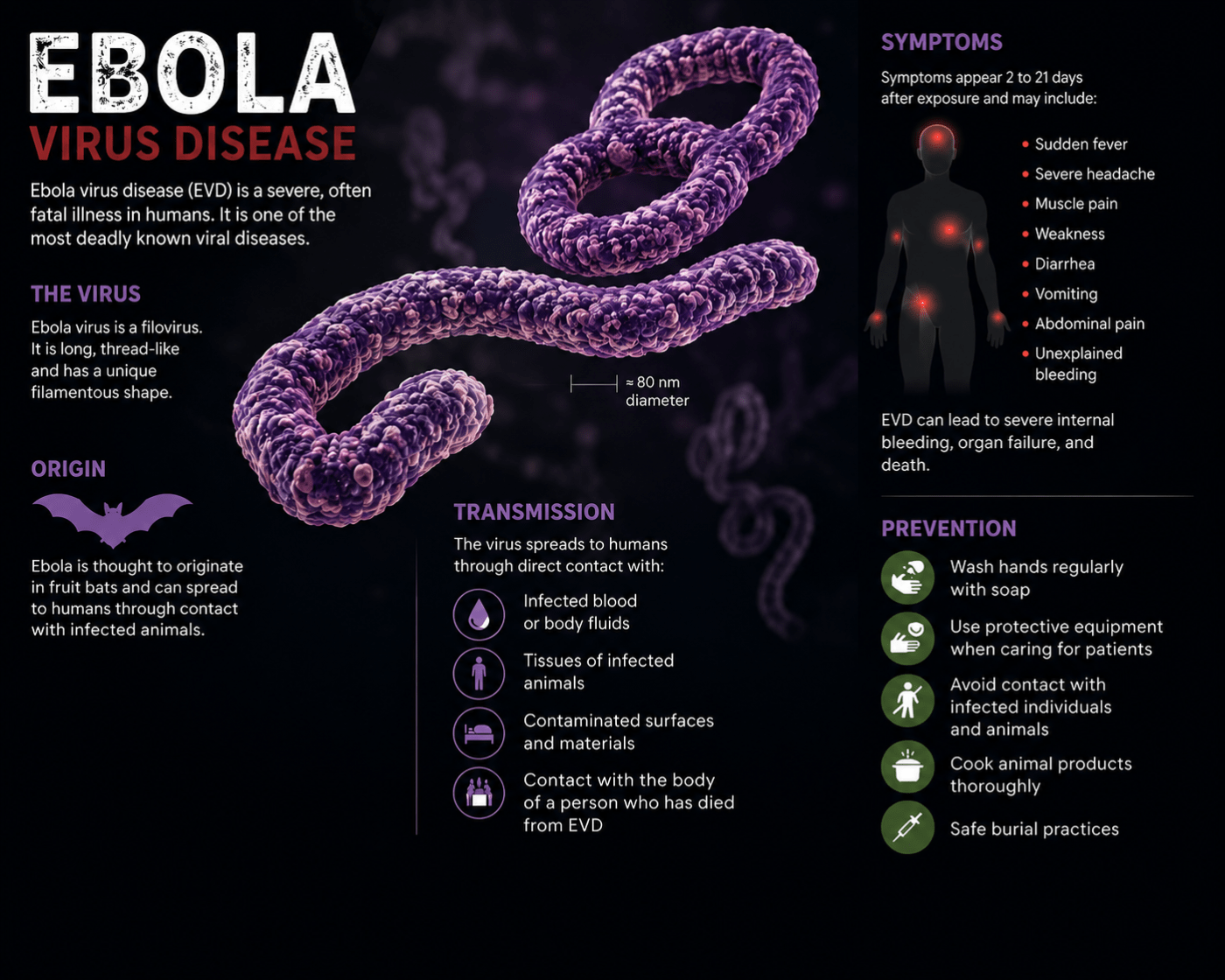
A new Ebola outbreak is unfolding right now, and this one is different from the ones you may remember. On May 15, 2026, the Democratic Republic of the Congo (DRC) officially declared an outbreak in its northeastern Ituri Province. Within... Continue Reading →
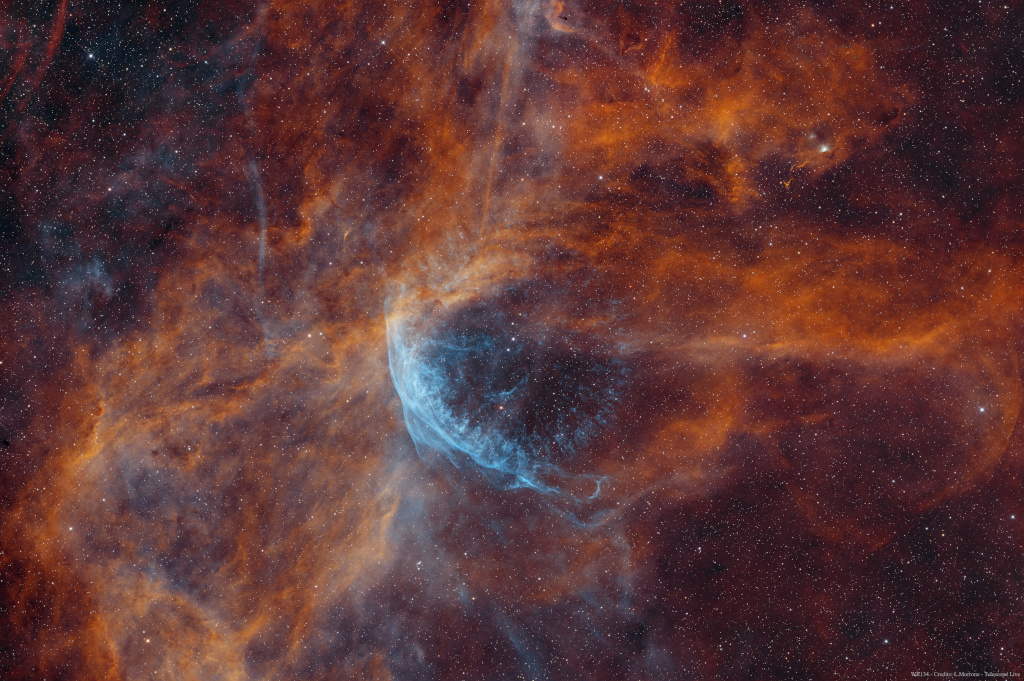
NASA's Astronomy Picture of the Day for May 22, 2026 stopped me in my tracks. It shows a glowing ring of ionized gas floating in the constellation Cygnus, sculpted over thousands of years by one of the most extreme stars... Continue Reading →
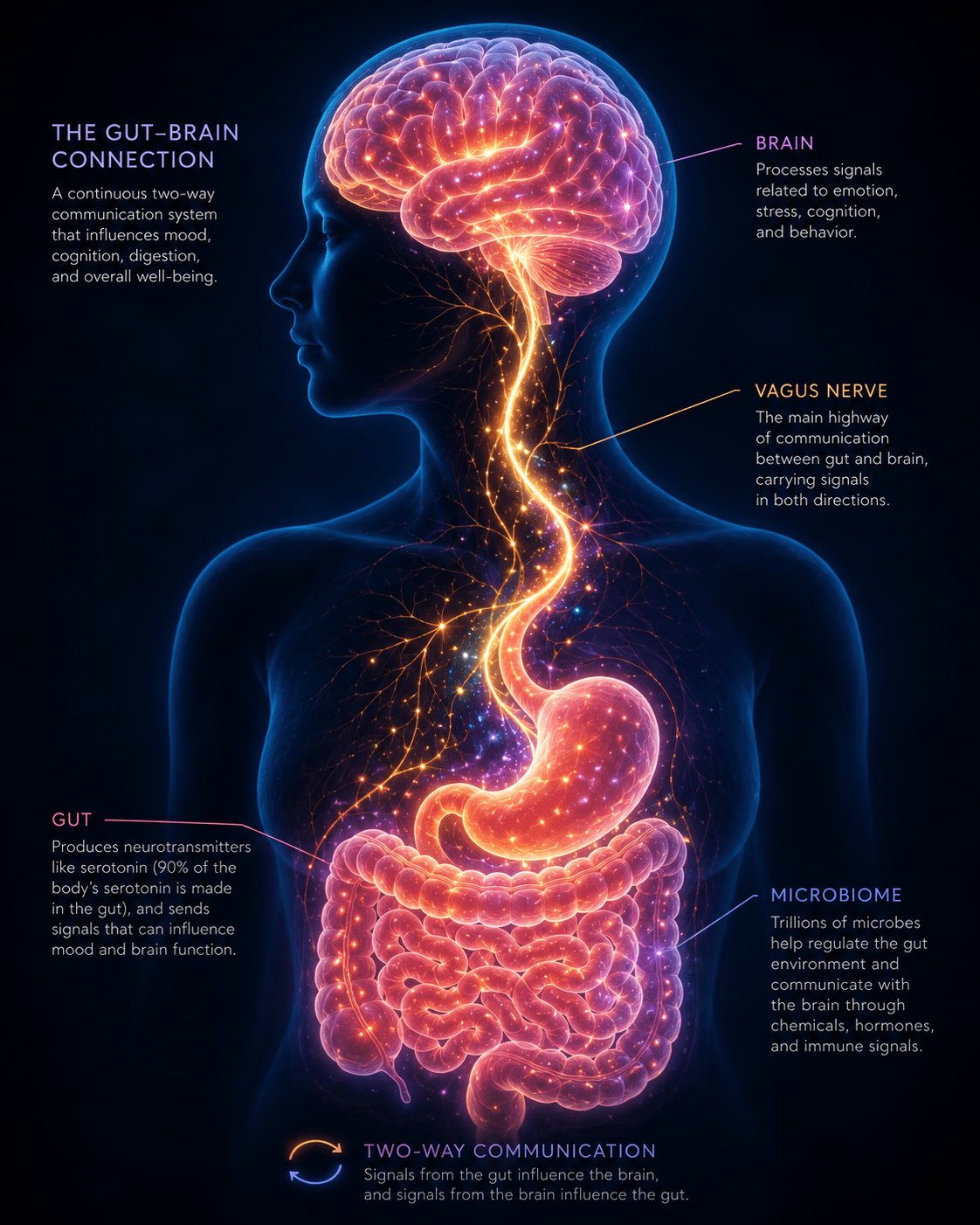
Have you ever craved a steak or a handful of nuts after a few days of eating mostly bread and pasta? It turns out that craving is not just willpower or habit, it is your gut talking directly to your... Continue Reading →
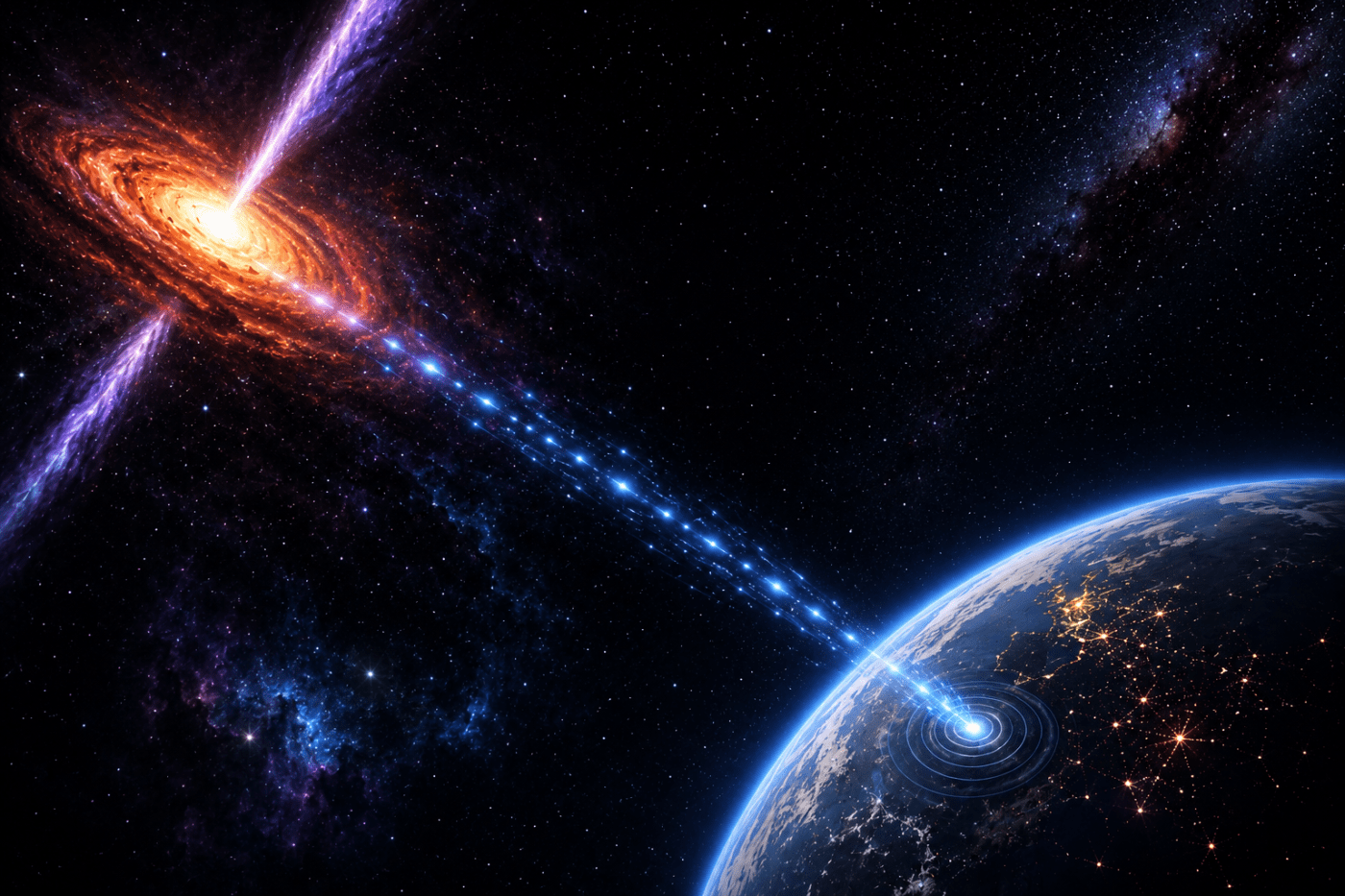
More than two miles below the surface of the Mediterranean Sea off the coast of Sicily, an extraordinary observatory called KM3NeT sits in total darkness and it has been quietly rewriting the record books. In February 2023, it recorded the... Continue Reading →
 Scents of Science