
Observe the graceful twirl of our Solar System's largest planet. Many interesting features of Jupiter's enigmatic atmosphere, including dark belts and light zones, can be followed in detail. A careful inspection will reveal that different cloud layers rotate at slightly different speeds. The... Continue Reading →
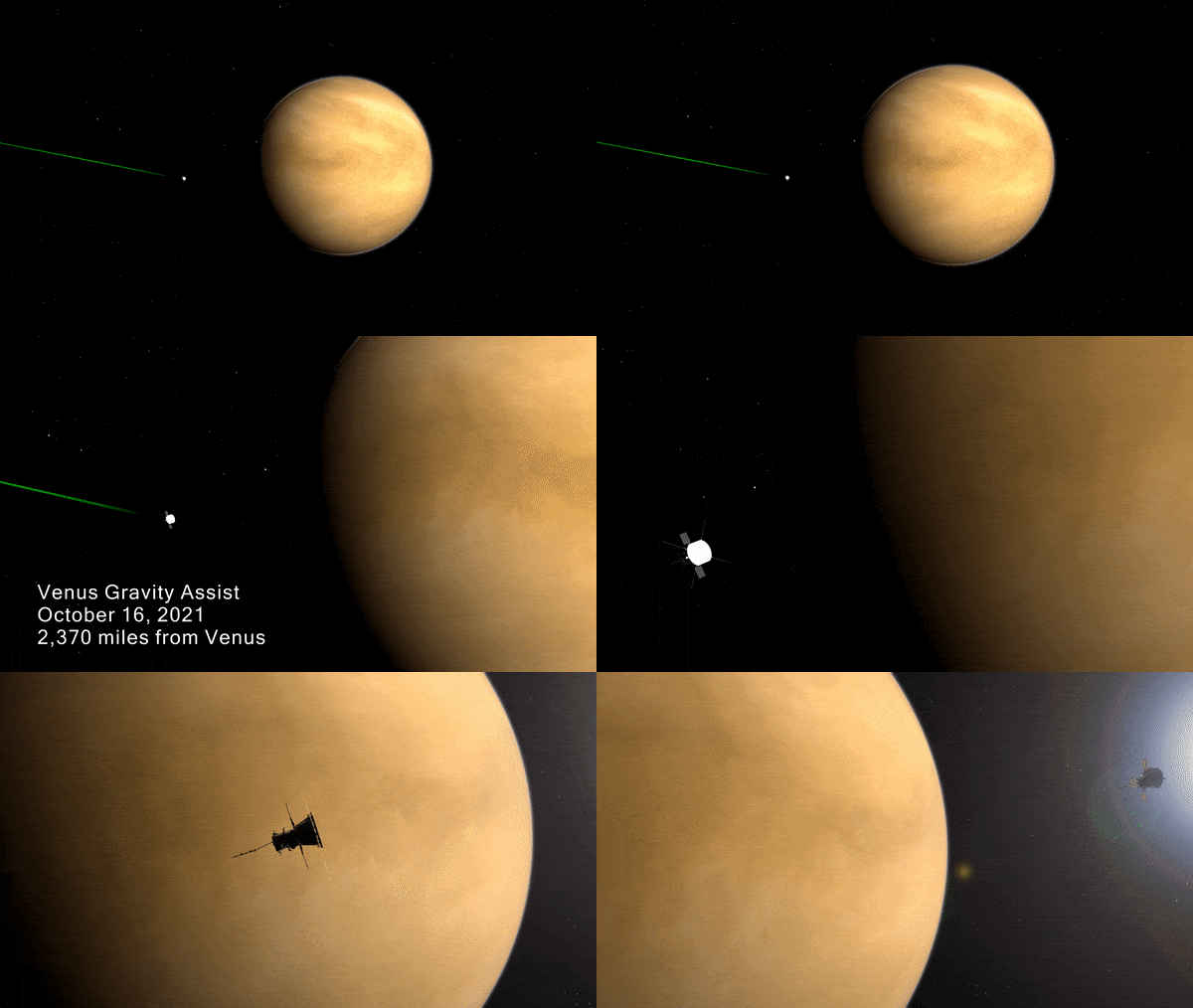
NASA’s Parker Solar Probe is speeding in toward the Sun after a swing past Venus on Oct. 16, successfully using the planet’s gravity to shape its path for its next closest approach to our star. At just after 5:30 a.m.... Continue Reading →

Blown by fast winds from a hot, massive star, this cosmic bubble is huge. Cataloged as Sharpless 2-308 it lies some 5,000 light-years away toward the constellation of the Big Dog (Canis Major) and covers slightly more of the sky than a... Continue Reading →
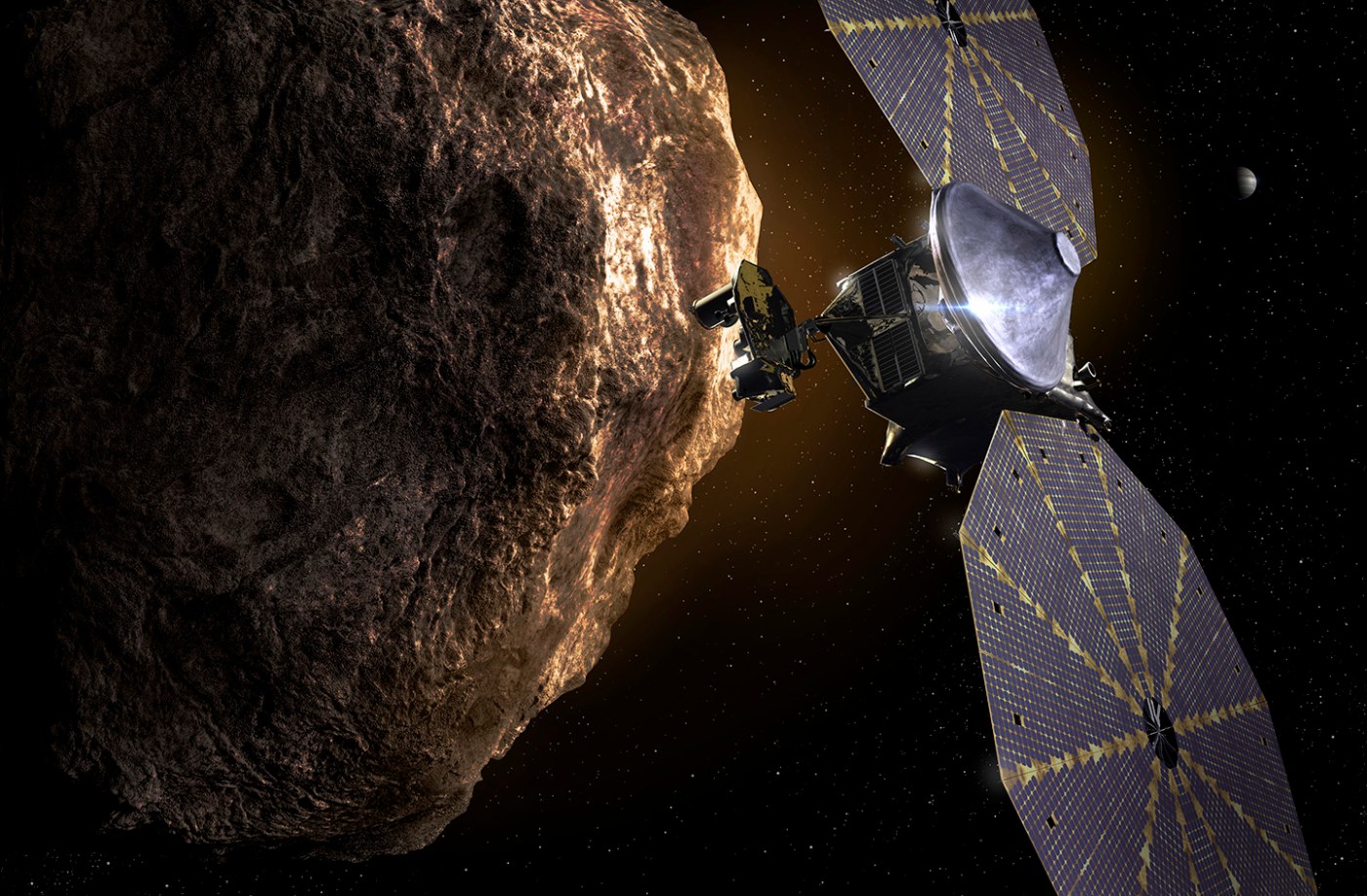
Asteroids embody the story of our solar system’s beginning. Jupiter’s Trojan asteroids, which orbit the Sun on the same path as the gas giant, are no exception. The Trojans are thought to be left over from the objects that eventually... Continue Reading →

Why would this mission go out as far as Jupiter -- but then not visit Jupiter? Lucy's plan is to follow different leads about the origin of our Solar System than can be found at Jupiter -- where Juno now orbits. Jupiter is such a... Continue Reading →
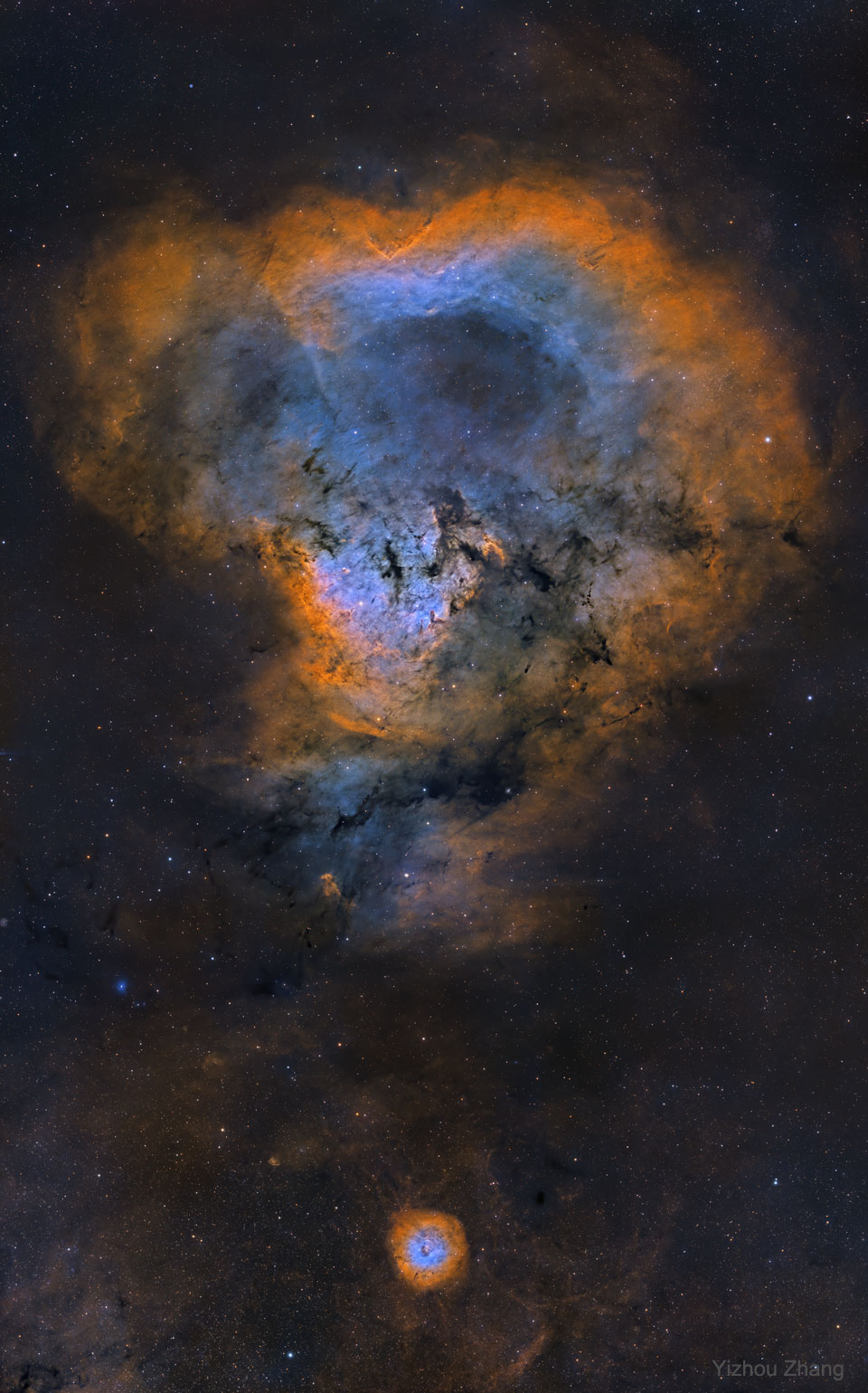
It may look like a huge cosmic question mark, but the big question really is how does the bright gas and dark dust tell this nebula's history of star formation. At the edge of a giant molecular cloud toward the northern constellation Cepheus,... Continue Reading →
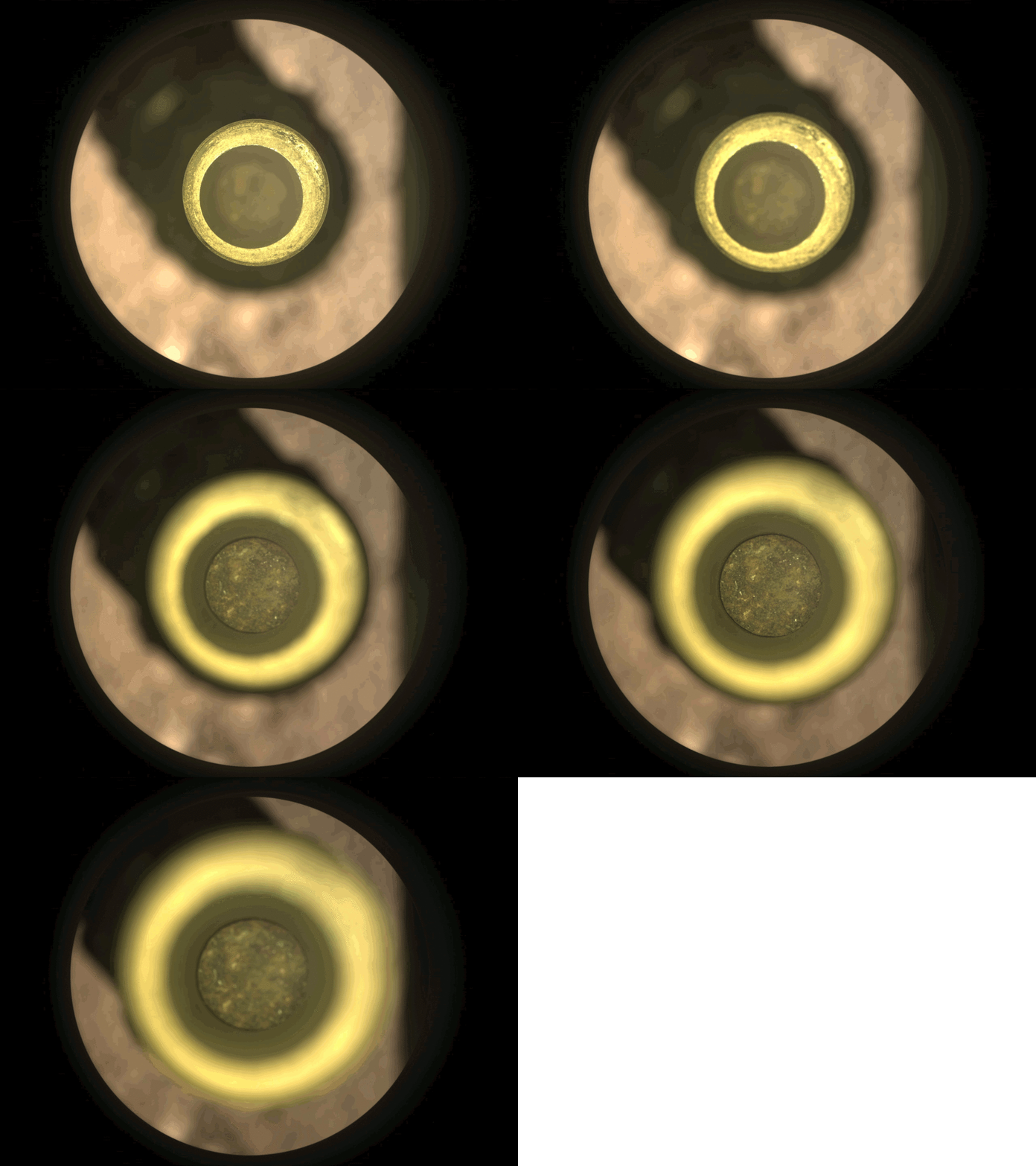
NASA, along with the European Space Agency, is developing a campaign to return the Martian samples to Earth. On Sept. 1, NASA’s Perseverance rover unfurled its arm, placed a drill bit at the Martian surface, and drilled about 2 inches,... Continue Reading →
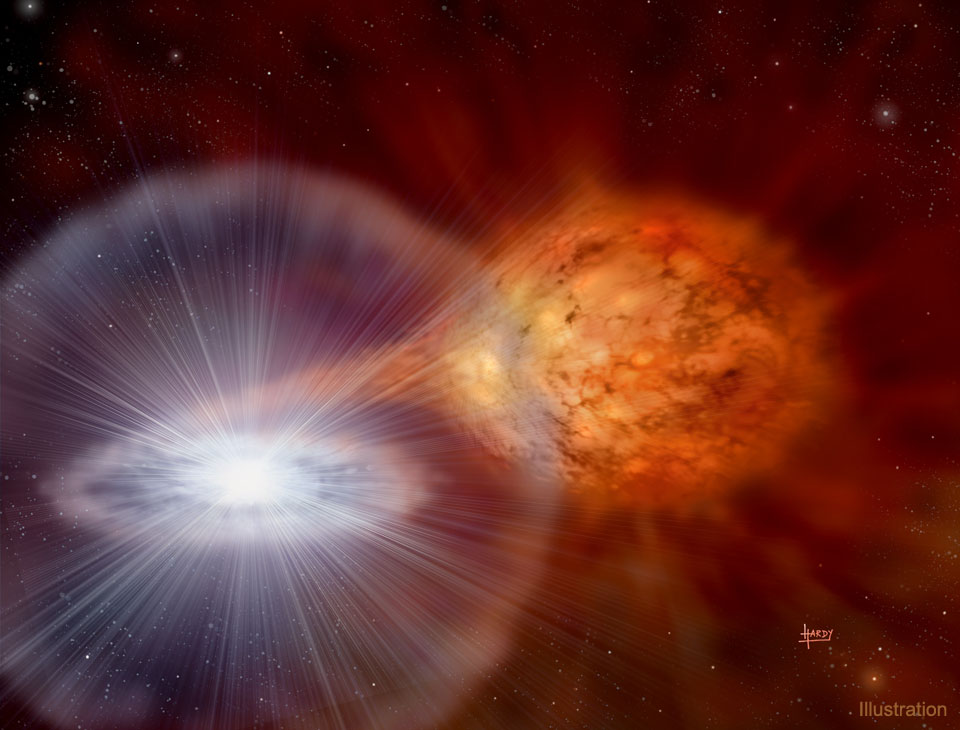
Spectacular explosions keep occurring in the binary star system named RS Ophiuchi. Every 20 years or so, the red giant star dumps enough hydrogen gas onto its companion white dwarf star to set off a brilliant thermonuclear explosion on the white dwarf's surface. At about 5,000 light years distant, the... Continue Reading →

Planet TOI-1231 b orbits a red dwarf star some 90 light-years away from Earth and is oddly reminiscent of our own Neptune – that is, a gaseous world with a potentially rich atmosphere, ripe for study. The planet is more than 3... Continue Reading →
 Scents of Science