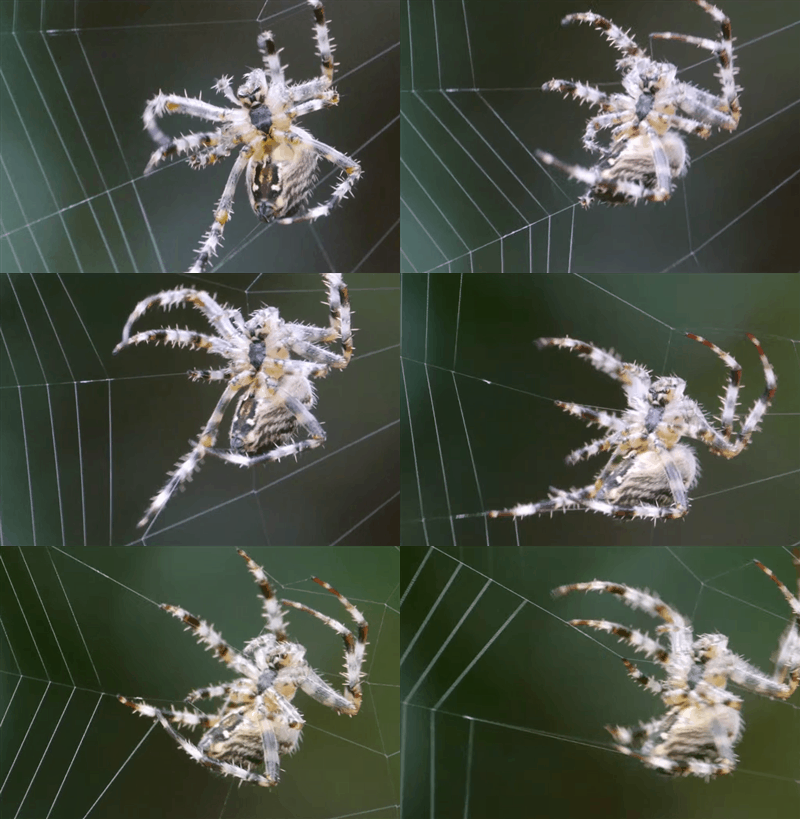
Johns Hopkins University researchers discovered precisely how spiders build webs by using night vision and artificial intelligence to track and record every movement of all eight legs as spiders worked in the dark. Their creation of a web-building playbook or... Continue Reading →

The Horsehead Nebula is one of the most famous nebulae on the sky. It is visible as the dark indentation to the orange emission nebula at the far right of the featured picture. The horse-head feature is dark because it is really an opaque dust cloud that lies in... Continue Reading →

New findings from NASA’s Juno probe orbiting Jupiter provide a fuller picture of how the planet’s distinctive and colorful atmospheric features offer clues about the unseen processes below its clouds. The results highlight the inner workings of the belts and... Continue Reading →

Observe the graceful twirl of our Solar System's largest planet. Many interesting features of Jupiter's enigmatic atmosphere, including dark belts and light zones, can be followed in detail. A careful inspection will reveal that different cloud layers rotate at slightly different speeds. The... Continue Reading →
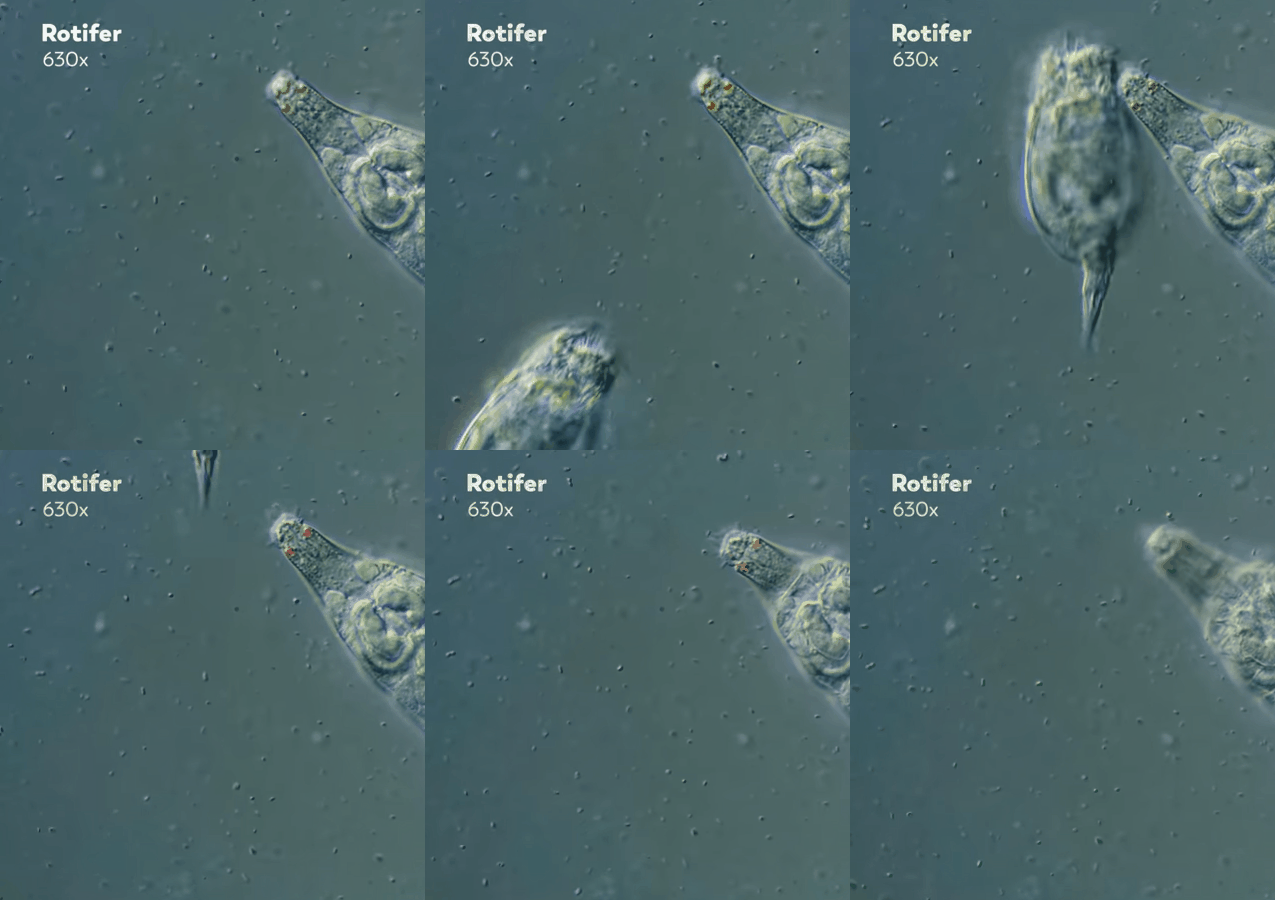
Rotifer, also called wheel animalcule, any of the approximately 2,000 species of microscopic, aquatic invertebrates that constitute the phylum Rotifera. Rotifers are so named because the circular arrangement of moving cilia (tiny hairlike structures) at the front end resembles a rotating... Continue Reading →
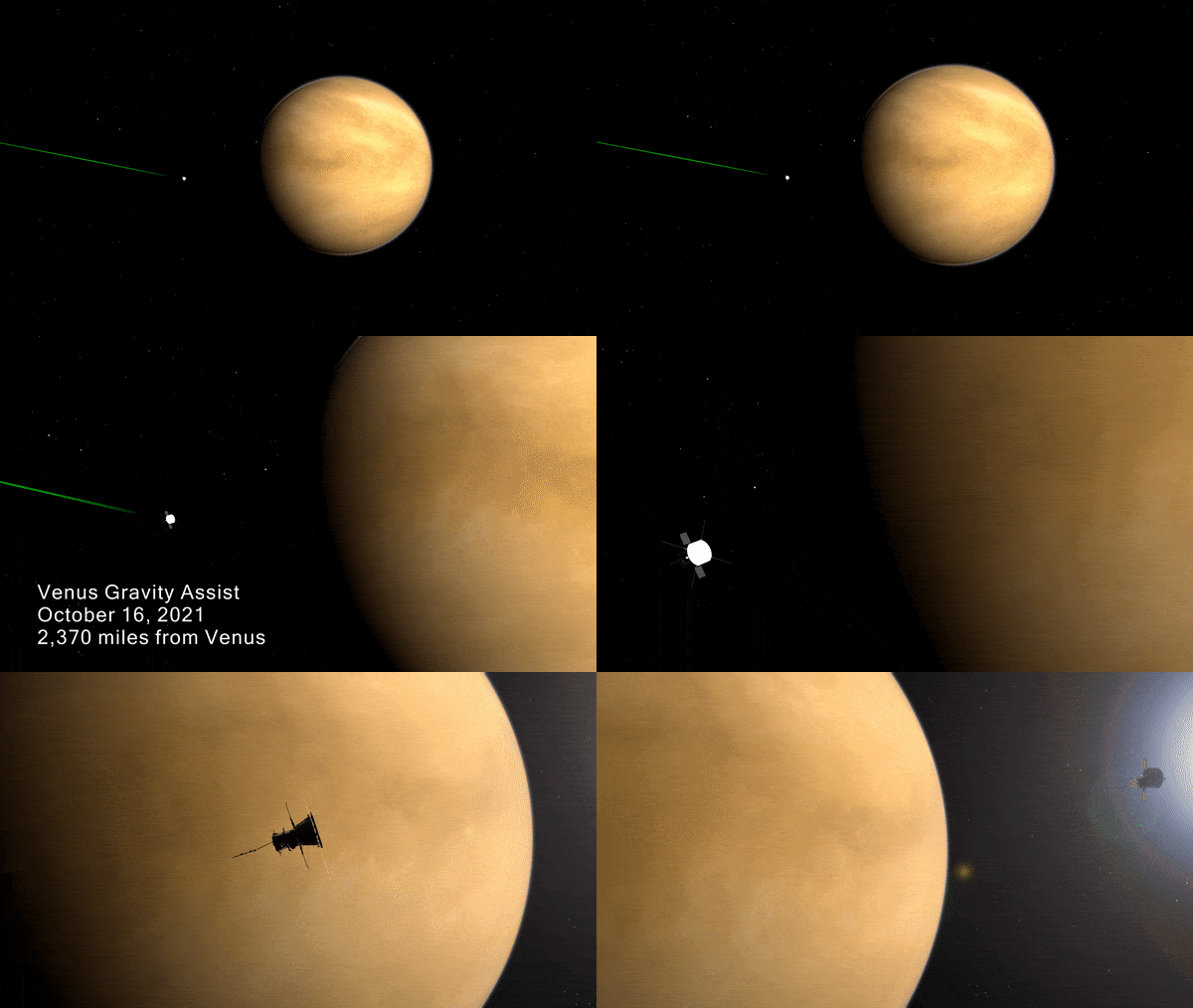
NASA’s Parker Solar Probe is speeding in toward the Sun after a swing past Venus on Oct. 16, successfully using the planet’s gravity to shape its path for its next closest approach to our star. At just after 5:30 a.m.... Continue Reading →

Blown by fast winds from a hot, massive star, this cosmic bubble is huge. Cataloged as Sharpless 2-308 it lies some 5,000 light-years away toward the constellation of the Big Dog (Canis Major) and covers slightly more of the sky than a... Continue Reading →
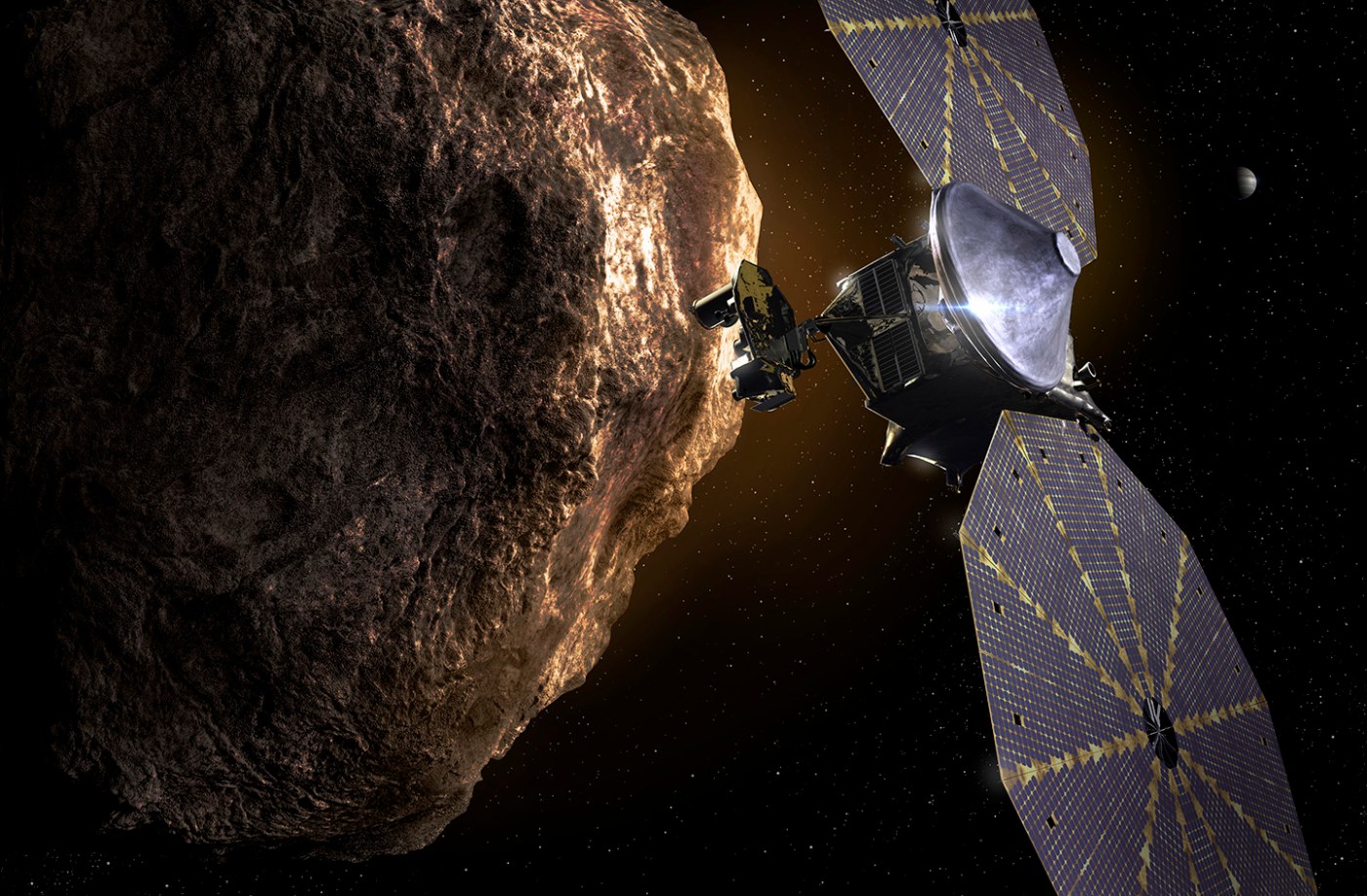
Asteroids embody the story of our solar system’s beginning. Jupiter’s Trojan asteroids, which orbit the Sun on the same path as the gas giant, are no exception. The Trojans are thought to be left over from the objects that eventually... Continue Reading →

Why would this mission go out as far as Jupiter -- but then not visit Jupiter? Lucy's plan is to follow different leads about the origin of our Solar System than can be found at Jupiter -- where Juno now orbits. Jupiter is such a... Continue Reading →
 Scents of Science