
NASA's Parker Solar Probe reached the sun's extended solar atmosphere, known as the corona, and spent five hours there. The spacecraft is the first to enter the outer boundaries of our sun. "This marks the achievement of the primary objective... Continue Reading →

Light-year is the distance light travels in one year. Light zips through interstellar space at 186,000 miles (300,000 kilometers) per second and 5.88 trillion miles (9.46 trillion kilometers) per year. How far can light travel in one minute? 11,160,000 miles.... Continue Reading →
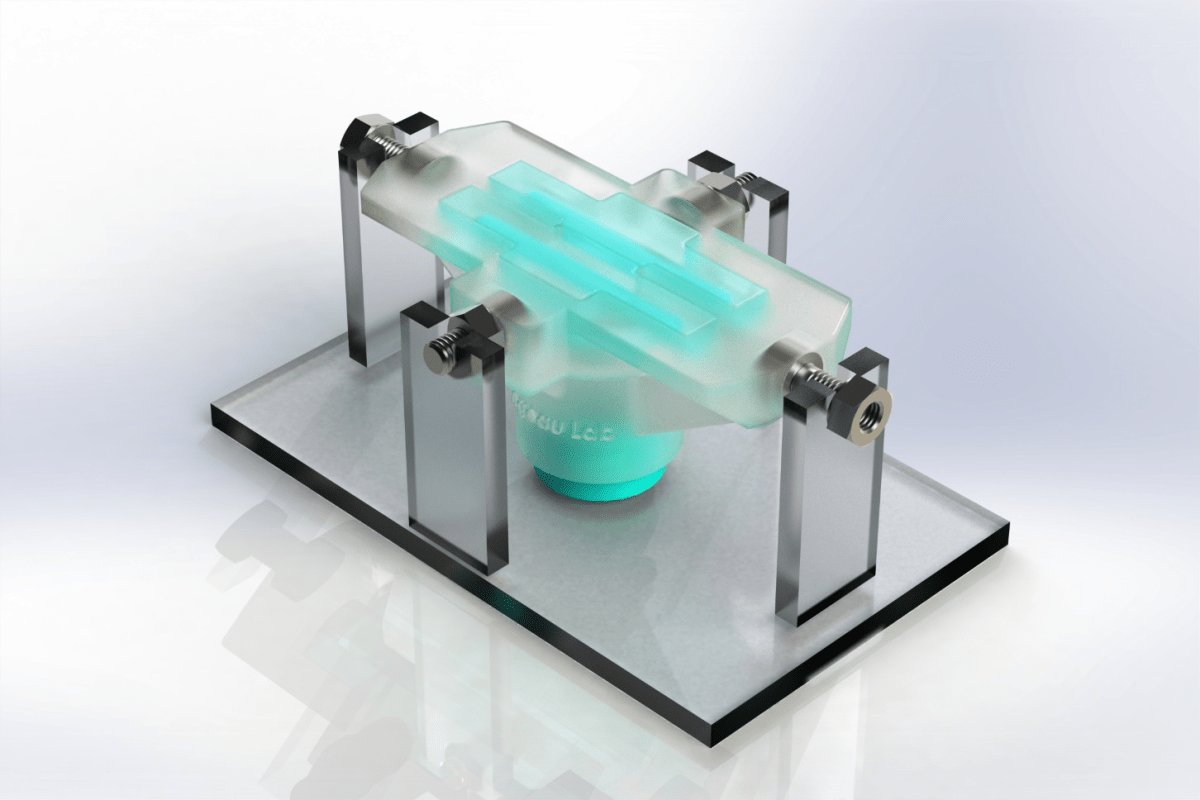
People recovering from heart damage often face a long and tricky journey. Healing is challenging because of the constant movement tissues must withstand as the heart beats. The same is true for vocal cords. Until now there was no injectable... Continue Reading →

Stars are born from clouds of gas and dust that collapse under their own gravitational attraction. As the cloud collapses, a dense, hot core forms and begins gathering dust and gas, creating an object called a “protostar.” This Hubble infrared... Continue Reading →
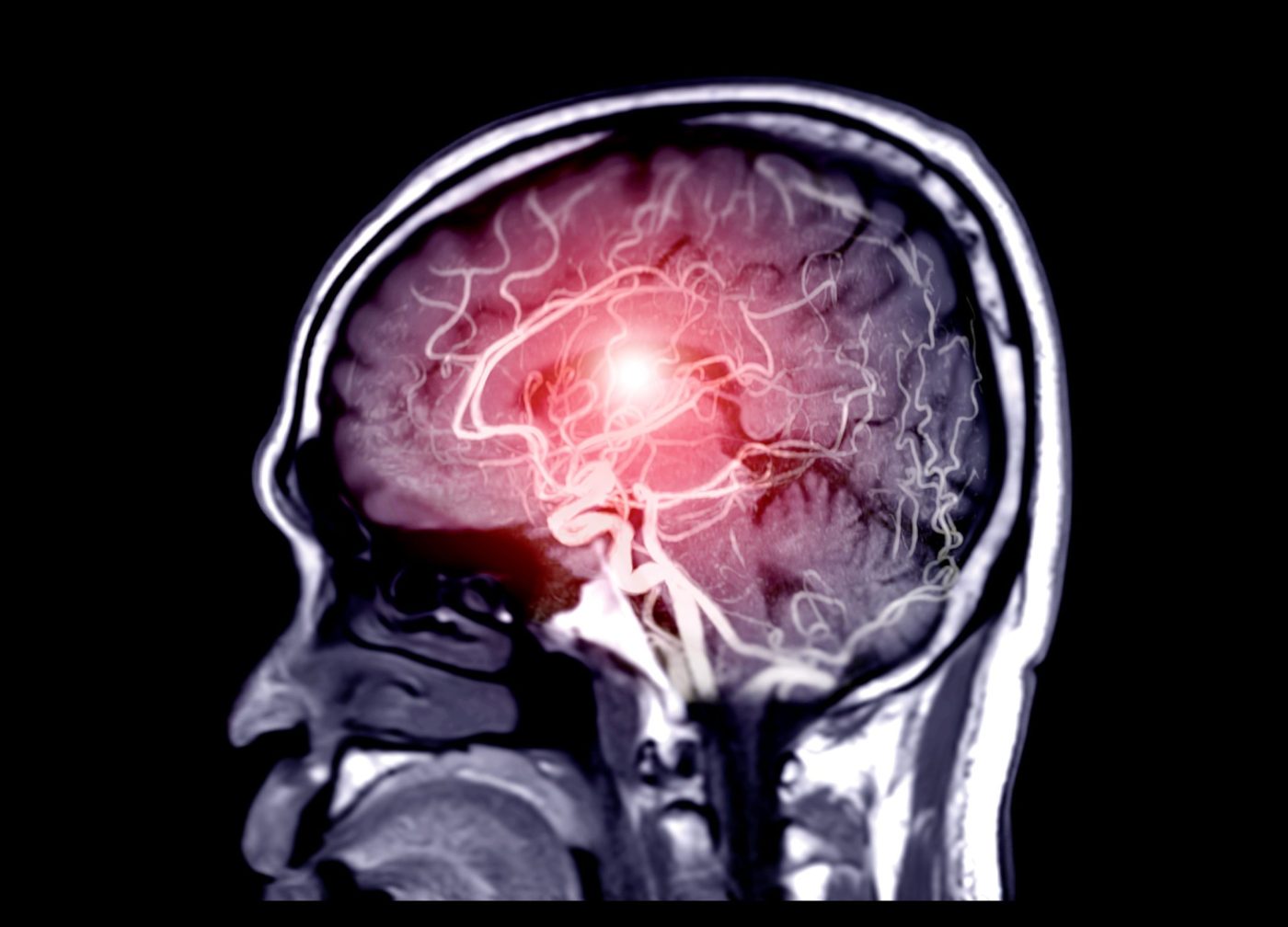
A study led by researchers at Georgia State reveals surprising new information about the relationship between neuron activity and blood flow deep in the brain, as well as how the brain is affected by salt consumption. When neurons are activated,... Continue Reading →

A near-Earth asteroid named Kamo`oalewa could be a fragment of our moon, according to a new paper published in Nature Communications Earth and Environment by a team of astronomers led by the University of Arizona. Kamo`oalewa is a quasi-satellite --... Continue Reading →
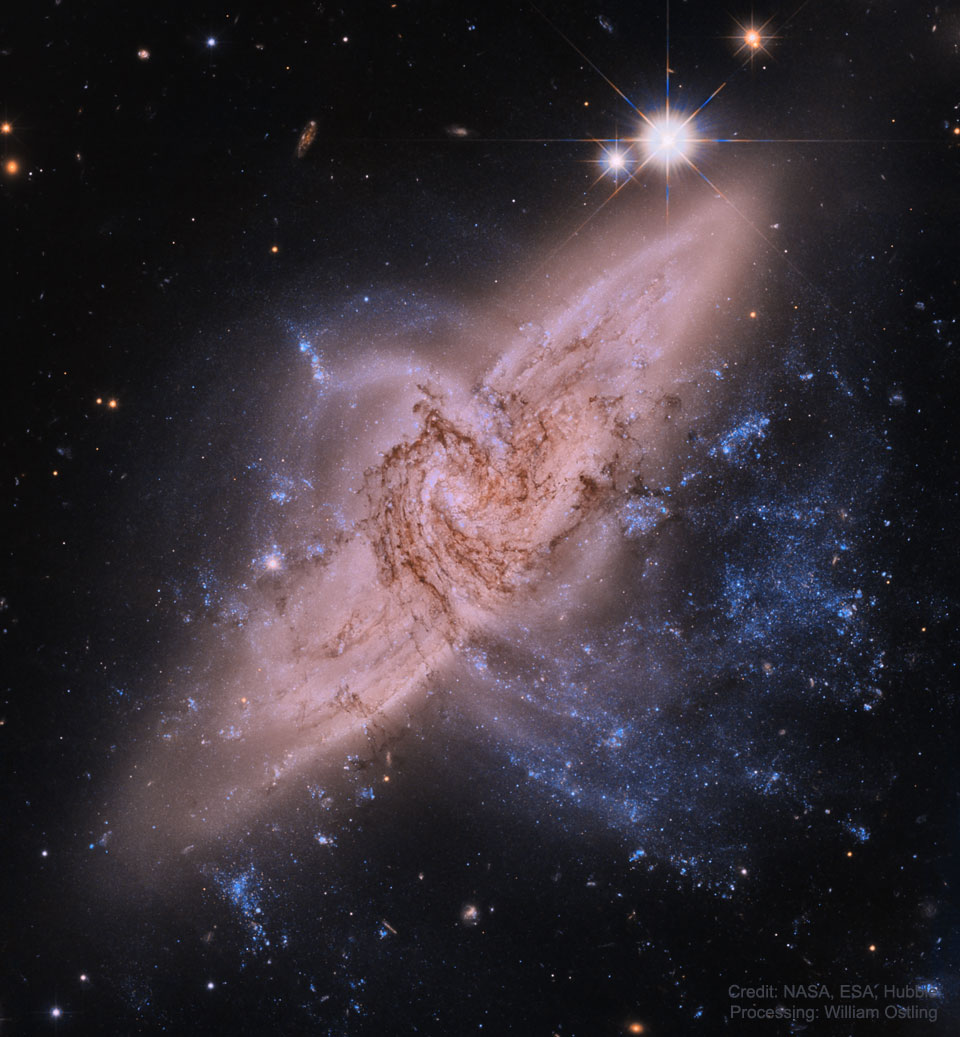
Why doesn't the nearby galaxy create a gravitational lensing effect on the background galaxy? It does, but since both galaxies are so nearby, the angular shift is much smaller than the angular sizes of the galaxies themselves. The featured Hubble image of NGC 3314 shows two large spiral galaxies... Continue Reading →
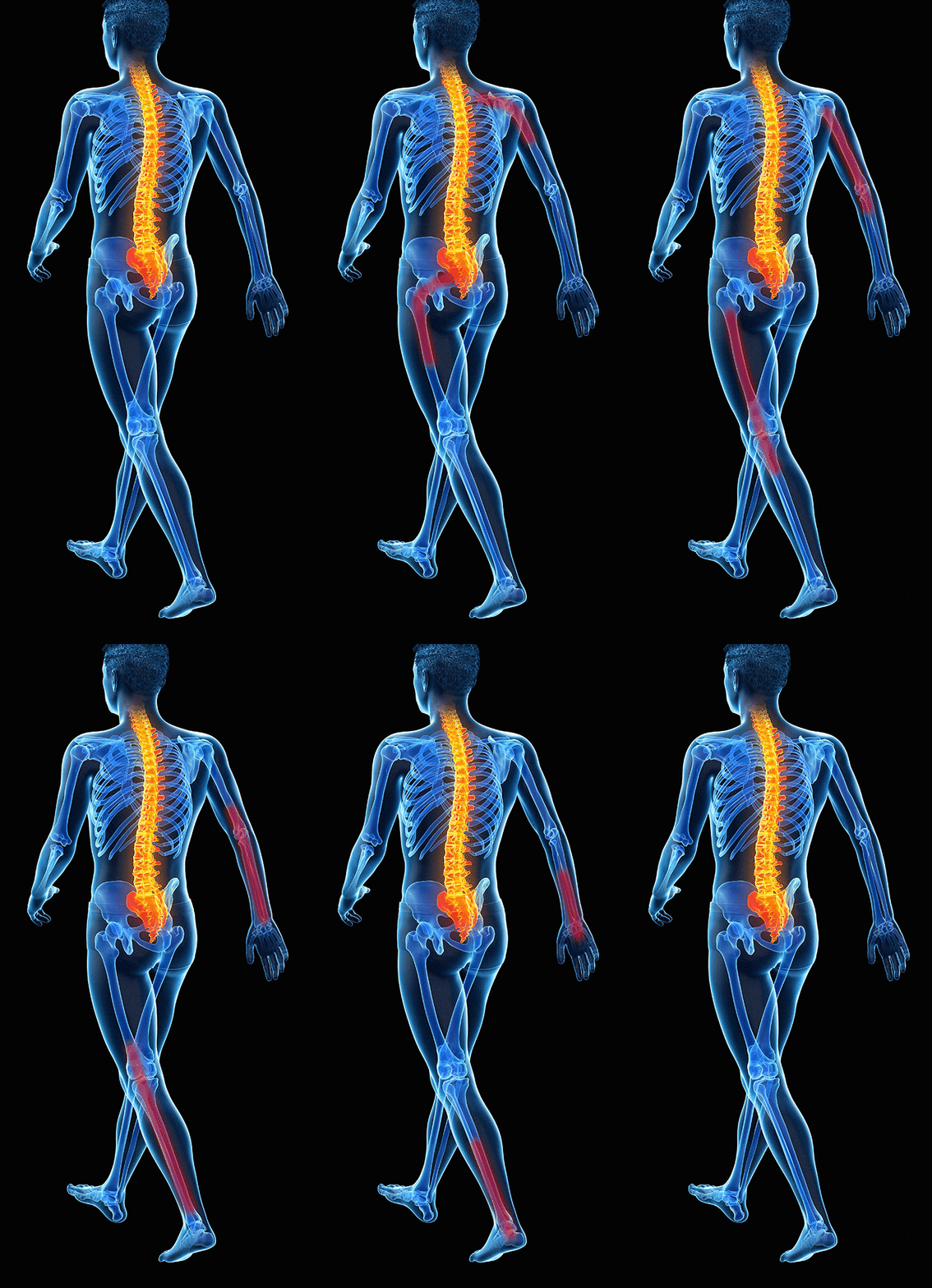
In a new study, researchers administered a single injection to tissues surrounding the spinal cords of paralyzed mice. Just four weeks later, the animals regained the ability to walk. The research will be published in the Nov. 12 issue of... Continue Reading →

New research from the University of Otago has found that if you want someone to help you out with something, it is best not to set a deadline at all. But if you do set a deadline, make it short.Professor... Continue Reading →
 Scents of Science