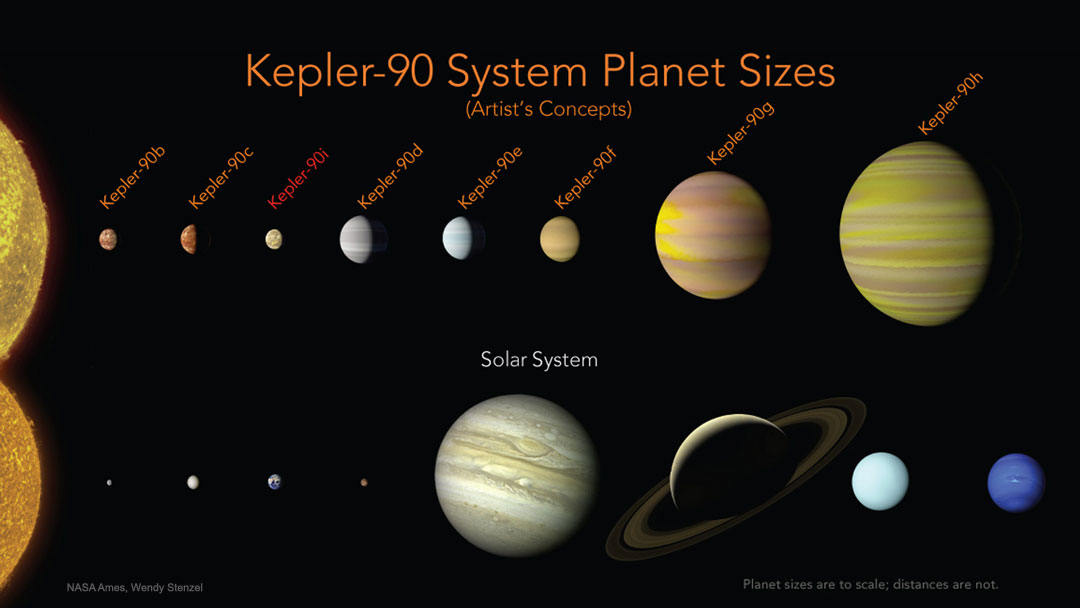
Do other stars have planetary systems like our own? Yes -- one such system is Kepler-90. Cataloged by the Kepler satellite that operated from Earth orbit between 2009 and 2018, eight planets were discovered, giving Kepler-90 the same number of known planets as our Solar System. Similarities... Continue Reading →

This series of images, captured on Apr. 14 during the first rehearsal of the OSIRIS-REx mission’s sample collection event, shows the SamCam instrument’s field of view as the spacecraft approaches and moves away from asteroid Bennu’s surface. The rehearsal brought... Continue Reading →
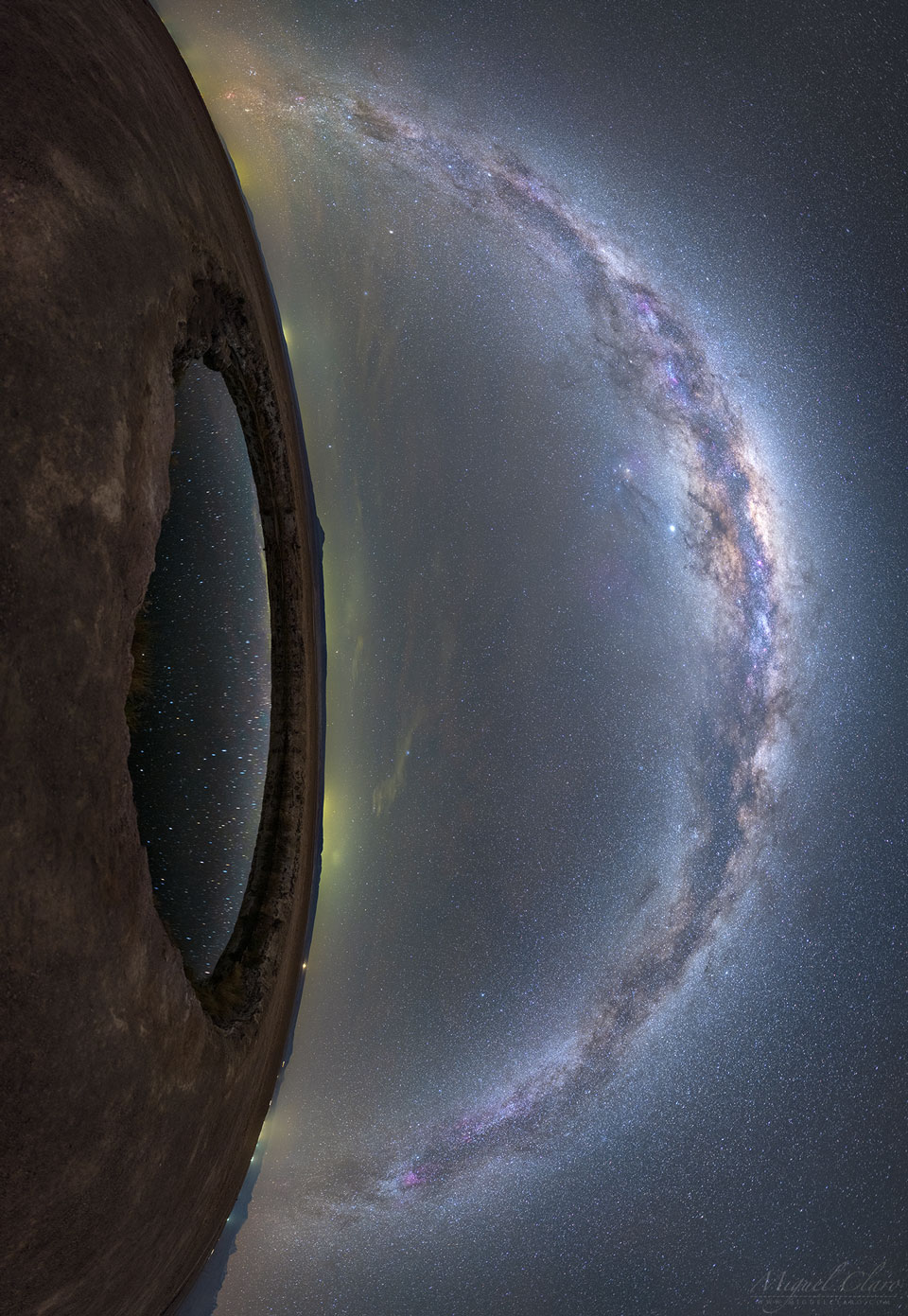
Have you ever had stars in your eyes? It appears that the eye on the left does, and moreover it appears to be gazing at even more stars. The featured 27-frame mosaic was taken last July from Ojas de Salar in the Atacama Desert of Chile. The eye... Continue Reading →

To some, it looks like a giant chicken running across the sky. To others, it looks like a gaseous nebula where star formation takes place. Cataloged as IC 2944, the Running Chicken Nebula spans about 100 light years and lies about 6,000 light years away toward the constellation of the Centaur (Centaurus).... Continue Reading →

Cruising through the inner solar system, Comet ATLAS C2019/Y4 has apparently fragmented. Multiple separate condensations within its diffuse coma are visible in this telescopic close-up from April 12, composed of frames tracking the comet's motion against trailing background stars. Discovered at the end of... Continue Reading →
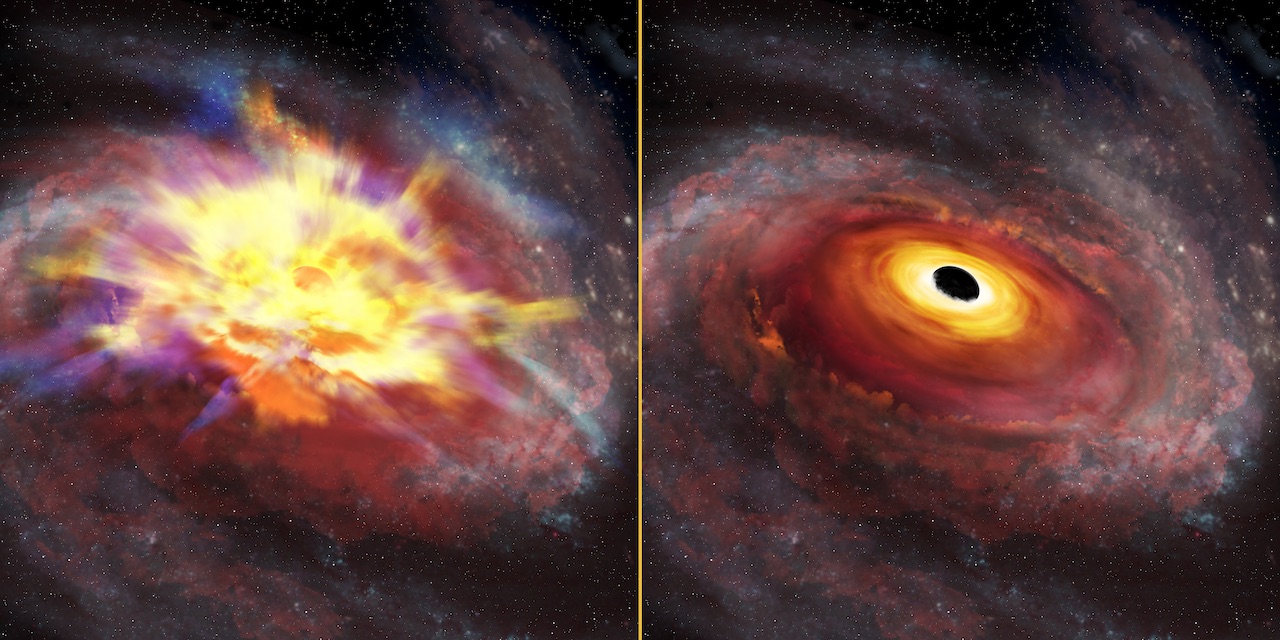
Researchers using the Gemini North telescope on Hawai'i's Maunakea have detected the most energetic wind from any quasar ever measured. This outflow, which is travelling at nearly 13% of the speed of light, carries enough energy to dramatically impact star... Continue Reading →
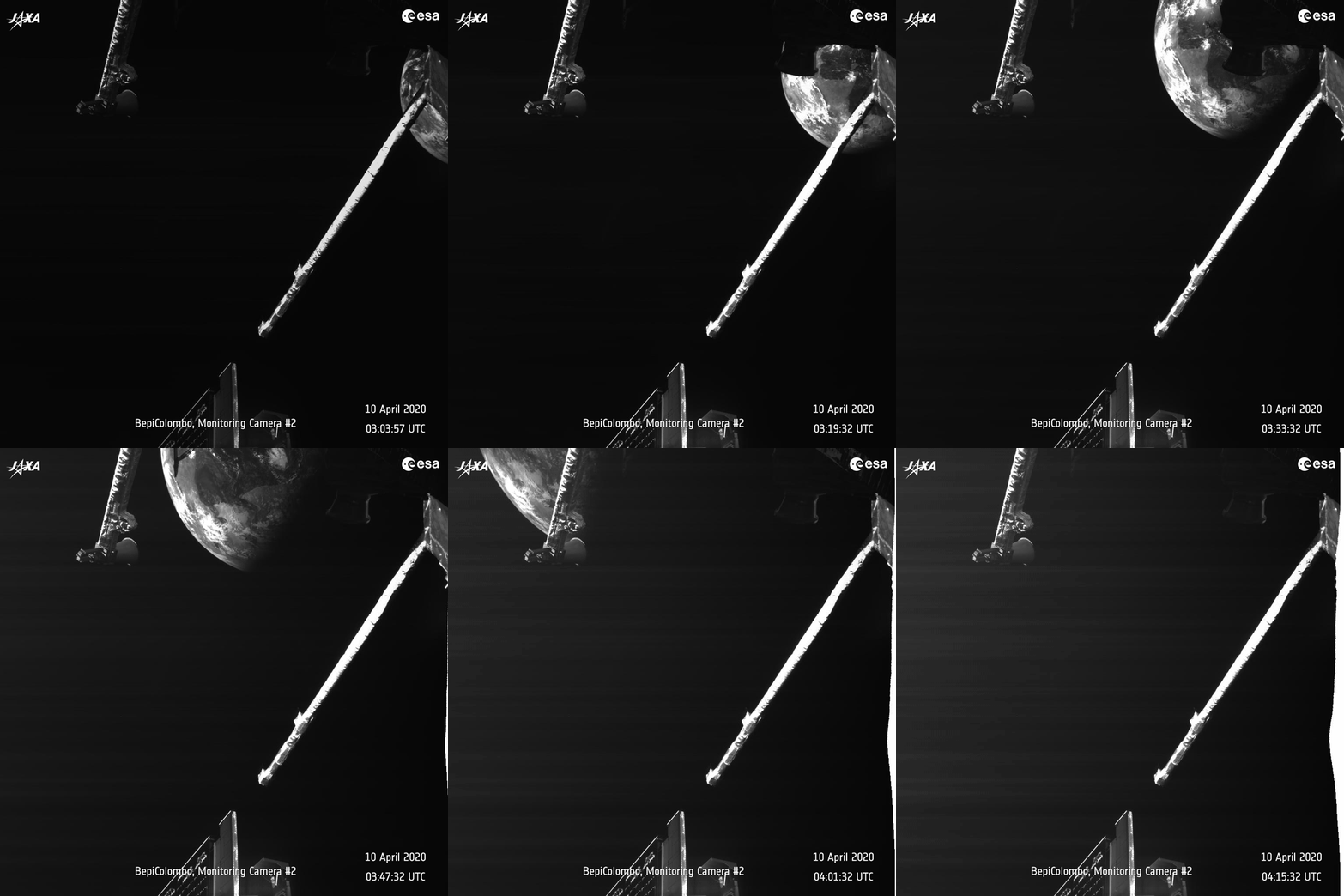
The ESA/JAXA BepiColombo mission completed its first flyby on 10 April, as the spacecraft came less than 12 700 km from Earth’s surface at 06:25 CEST, steering its trajectory towards the final destination, Mercury. Images gathered just before closest approach portray... Continue Reading →
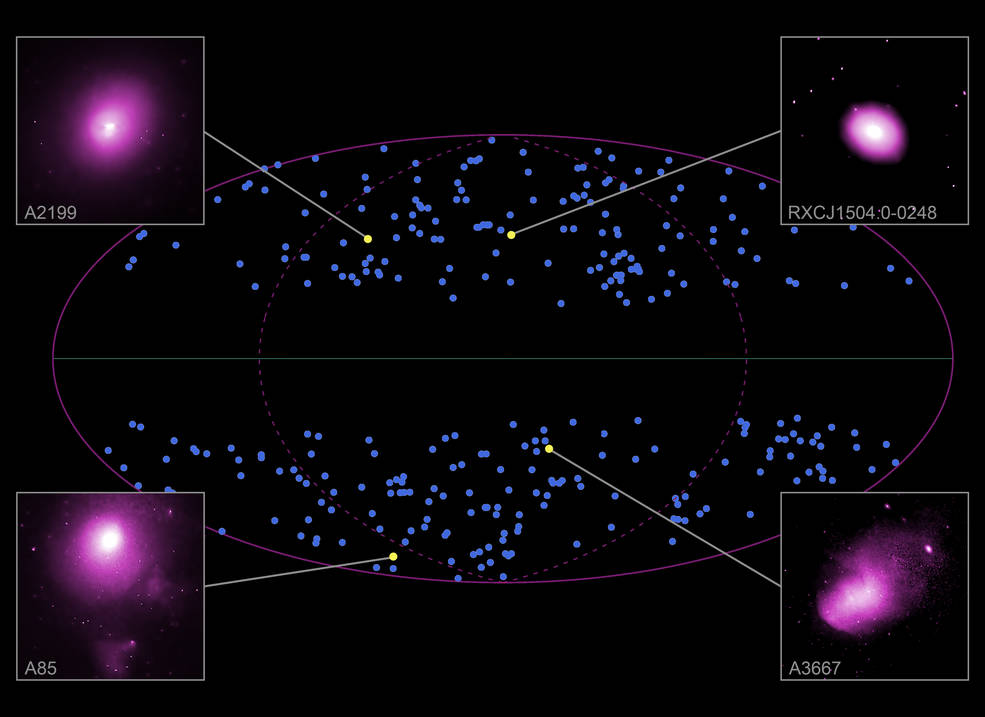
One of the fundamental ideas of cosmology is that everything looks the same in all directions if you look over large enough distances. A new study using data from NASA’s Chandra X-ray Observatory and ESA’s XMM-Newton is challenging that basic... Continue Reading →
 Scents of Science