Consciousness is your awareness of yourself and the world around you. This awareness is subjective and unique to you. A Boston University Chobanian & Avedisian School of Medicine researcher has developed a new theory of consciousness, explaining why it developed,... Continue Reading →

Addiction is now understood to be a brain disease. Whether it’s alcohol, prescription pain pills, nicotine, gambling, or something else, overcoming an addiction isn’t as simple as just stopping or exercising greater control over impulses. That’s because addiction develops when the pleasure circuits... Continue Reading →

Long-term memories rely on both the repetition of events and an intricate neurological learning process in making these memories last, shows a new study by a team of neuroscientists. Its findings provide a more detailed understanding of how these types... Continue Reading →
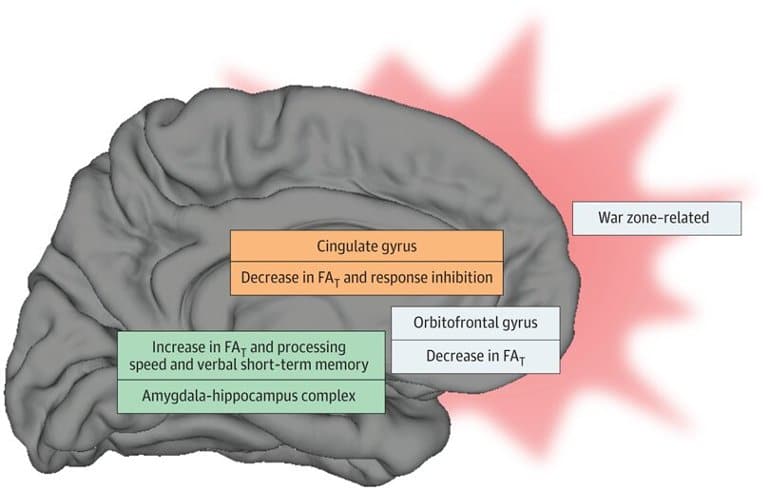
Military service members who have returned from theaters of war are at increased risk of mental health problems. But few studies have examined the physical effects that war-zone related stress may have on the structure of the brain. A new... Continue Reading →
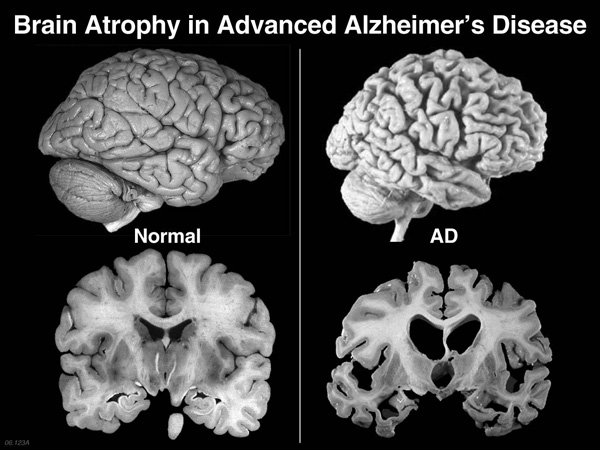
The pursuit of a cure for Alzheimer’s disease is becoming an increasingly competitive and contentious quest with recent years witnessing several important controversies. In July 2022, Science magazine reported that a key 2006 research paper, published in the prestigious journal Nature, which identified... Continue Reading →
A type of brain cell that can renew itself is regulated by circadian rhythms, providing significant insights into how the body’s internal clock may promote healing after traumatic brain injuries (TBI), according to new research from Children’s National Hospital. Released... Continue Reading →
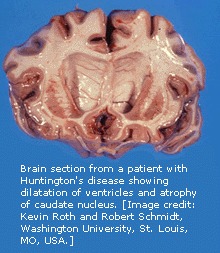
A protein crucial to synaptic function in brain tissues of patients with Huntington’s disease (HD) was discovered to have decreased function by researchers at KIST Huntington’s disease (HD) is a hereditary brain disease caused by a mutation in the huntingtin... Continue Reading →

A dieter wrestling with cravings for fatty foods might be tempted to blame their tongue: the delicious taste of butter or ice cream is hard to resist. But new research investigating the source of our appetites has uncovered an entirely... Continue Reading →

Phobias Related to Elevators Elevators are a common trigger for claustrophobia and agoraphobia. Agoraphobia Agoraphobia is the fear of being trapped in a situation in which escape would be difficult or impossible should a panic attack occur. Those with agoraphobia typically avoid “clusters” of related situations,... Continue Reading →
 Scents of Science