
Exercise can improve your cognitive and mental health -; but not all forms and intensities of exercise affect the brain equally. The effects of exercise are much more nuanced, as specific intensities of exercise over a long period of time are... Continue Reading →

Improving brain health at every stage of life, from a person's earliest years of development to their oldest years, is the focus of a new national effort by the American Academy of Neurology (AAN), the world's largest association of neurologists and neuroscience... Continue Reading →

Children who were exposed to cannabis in the womb continue to show elevated rates of symptoms of psychopathology — depression, anxiety and other psychiatric conditions — even as, at ages 11 and 12, they head toward adolescence, according to research... Continue Reading →
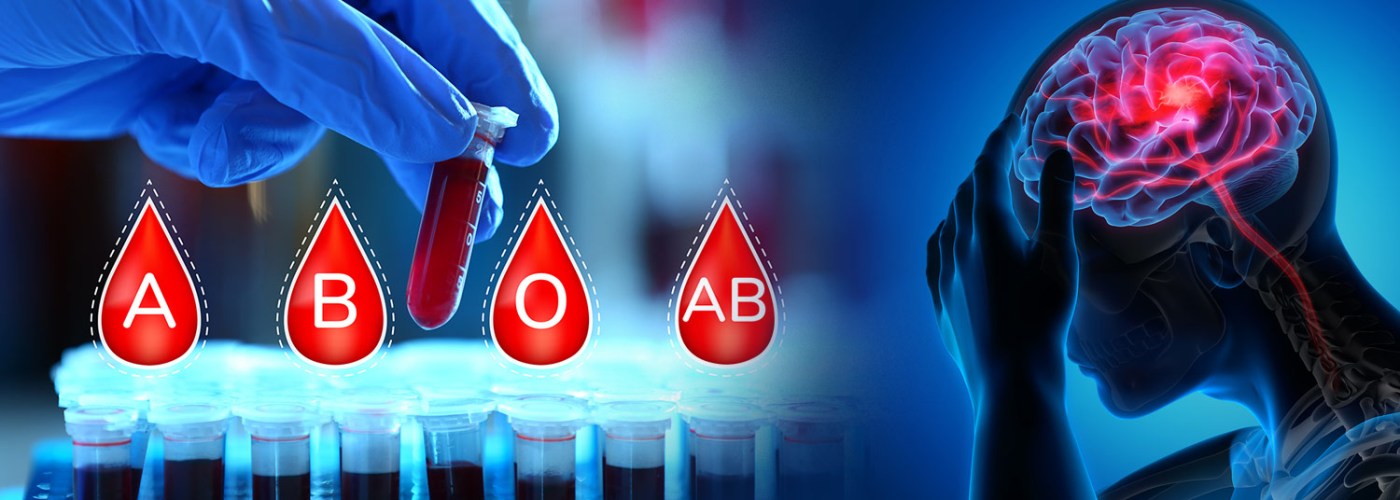
A person’s blood type may be linked to their risk of having an early stroke, according to a new meta-analysis led by University of Maryland School of Medicine (UMSOM) researchers. Findings were published in the journal Neurology. The meta-analysis included all available data... Continue Reading →

The nervous system takes in sensory stimuli, processes them and triggers reactions such as muscle movements or pain sensations. A few years ago, a network in the brain was identified that is coupled with signals from the stomach and presumably... Continue Reading →
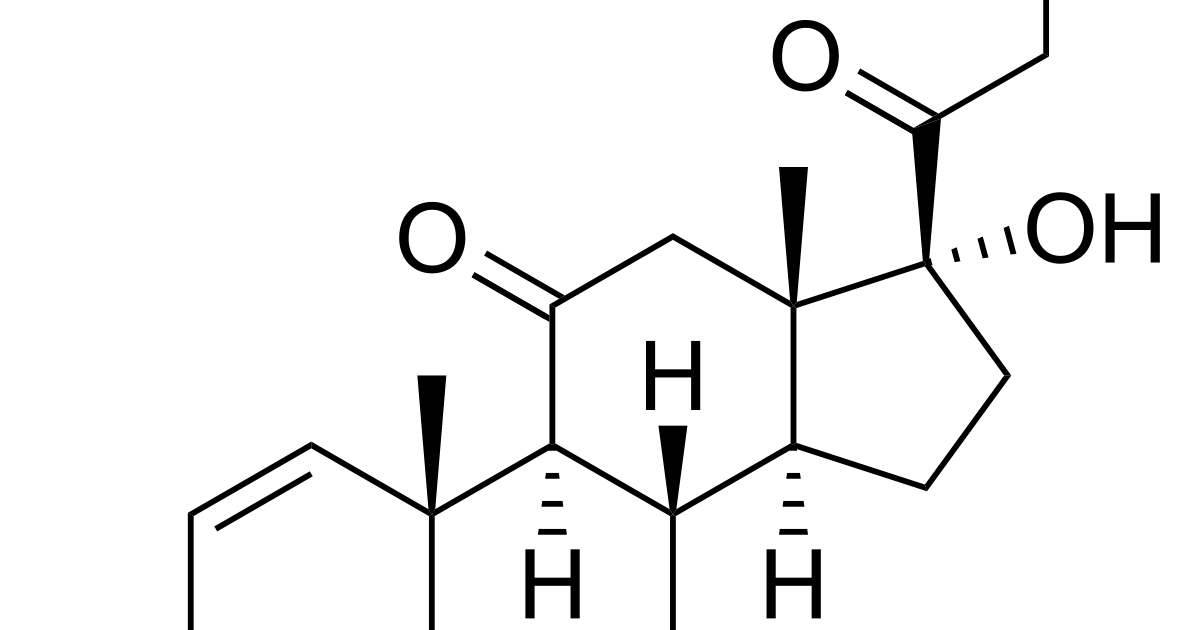
The use of prescribed steroids, including in inhalers, is linked to changes in the structure and volume of white and grey matter in the brain, suggests the findings of the largest study of its kind, published in the open access journal BMJ... Continue Reading →

New research has found that repeated concussions can thicken the structure of skull bones. Previous studies have shown damage to the brain following concussion, but have not looked at the brain’s protective covering. A Monash-led study published in the journal Scientific... Continue Reading →

Fentanyl is used to supplement sedation and relieve severe pain during and after surgery, but it’s also one of the deadliest drugs of the opioid epidemic. In research conducted by investigators at Harvard-affiliated Massachusetts General Hospital and published in PNAS Nexus,... Continue Reading →
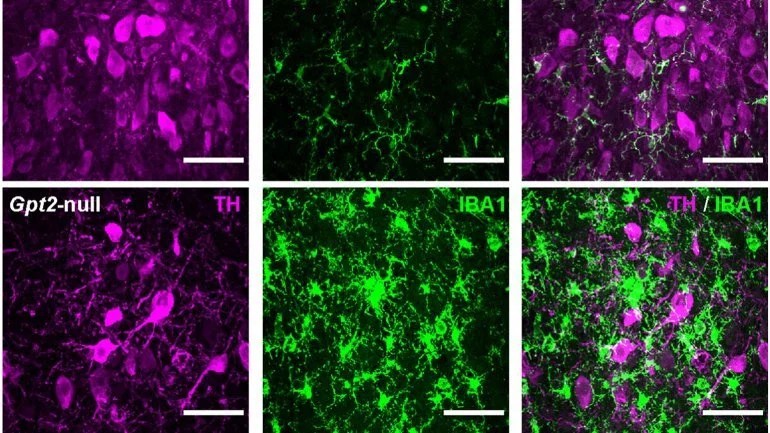
The locus coeruleus is among the first brain regions to degenerate in Alzheimer’s and Parkinson’s disease, physicians and scientists have known. But why this area is so vulnerable is less understood. While continuing their exploration of a rare neurogenetic disorder,... Continue Reading →
 Scents of Science