
A cutting-edge laboratory technique that turns human stem cells into brain-like tissue now recapitulates human brain development more accurately than ever, according to a study from Case Western Reserve University School of Medicine. The study, published in Nature Methods,demonstrates how... Continue Reading →

Dyslexia, a reading disorder, is characterized by a difficulty in “decoding” — navigating between the visual form and sounds of a written language. But a subset of dyslexic people, dubbed “resilient dyslexics,” exhibit remarkably high levels of reading comprehension despite... Continue Reading →
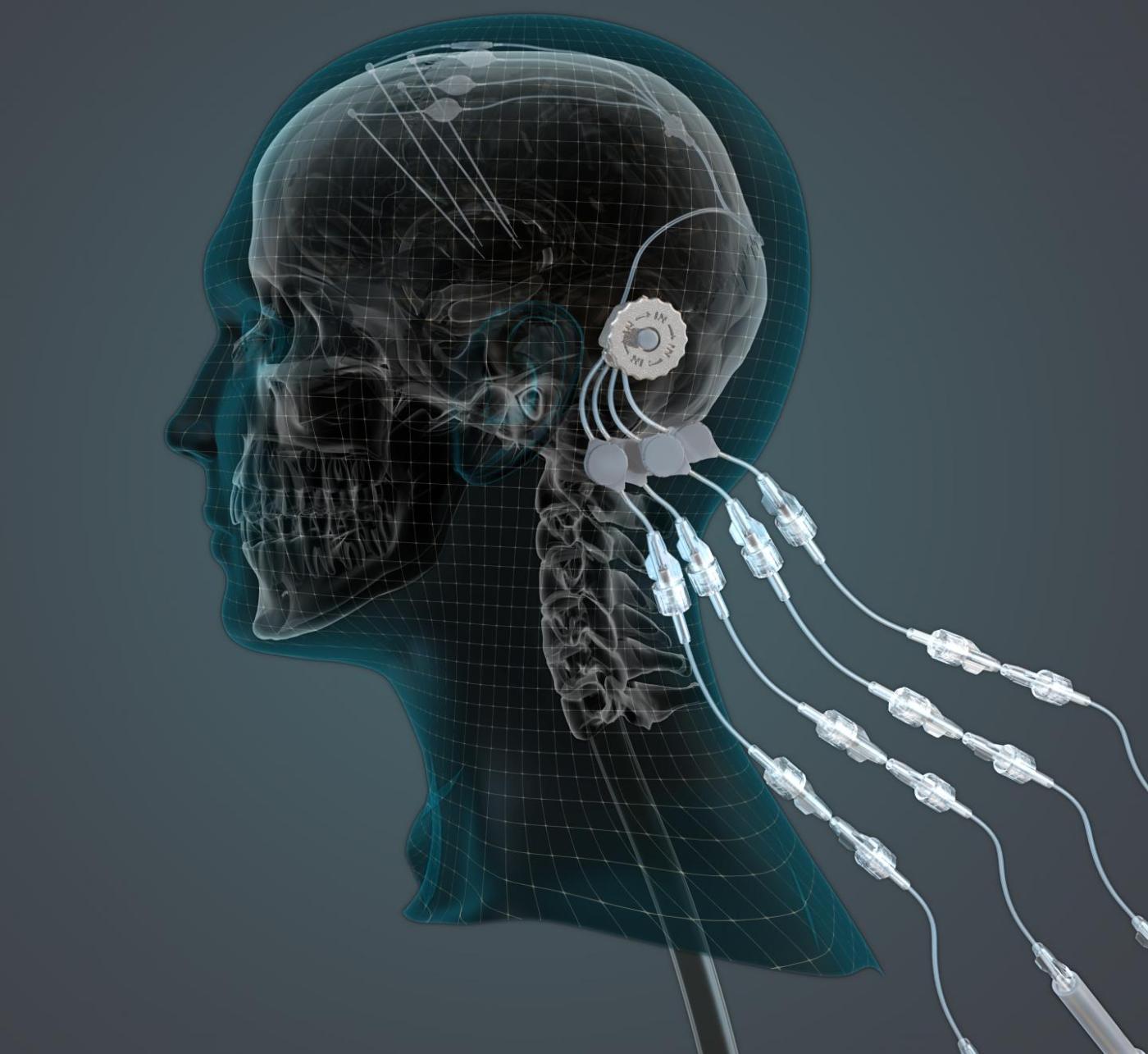
Results from a pioneering clinical trials programme that delivered an experimental treatment directly to the brain offer hope that it may be possible to restore the cells damaged in Parkinson's. The multimillion-pound study, funded by Parkinson's UK with support from... Continue Reading →
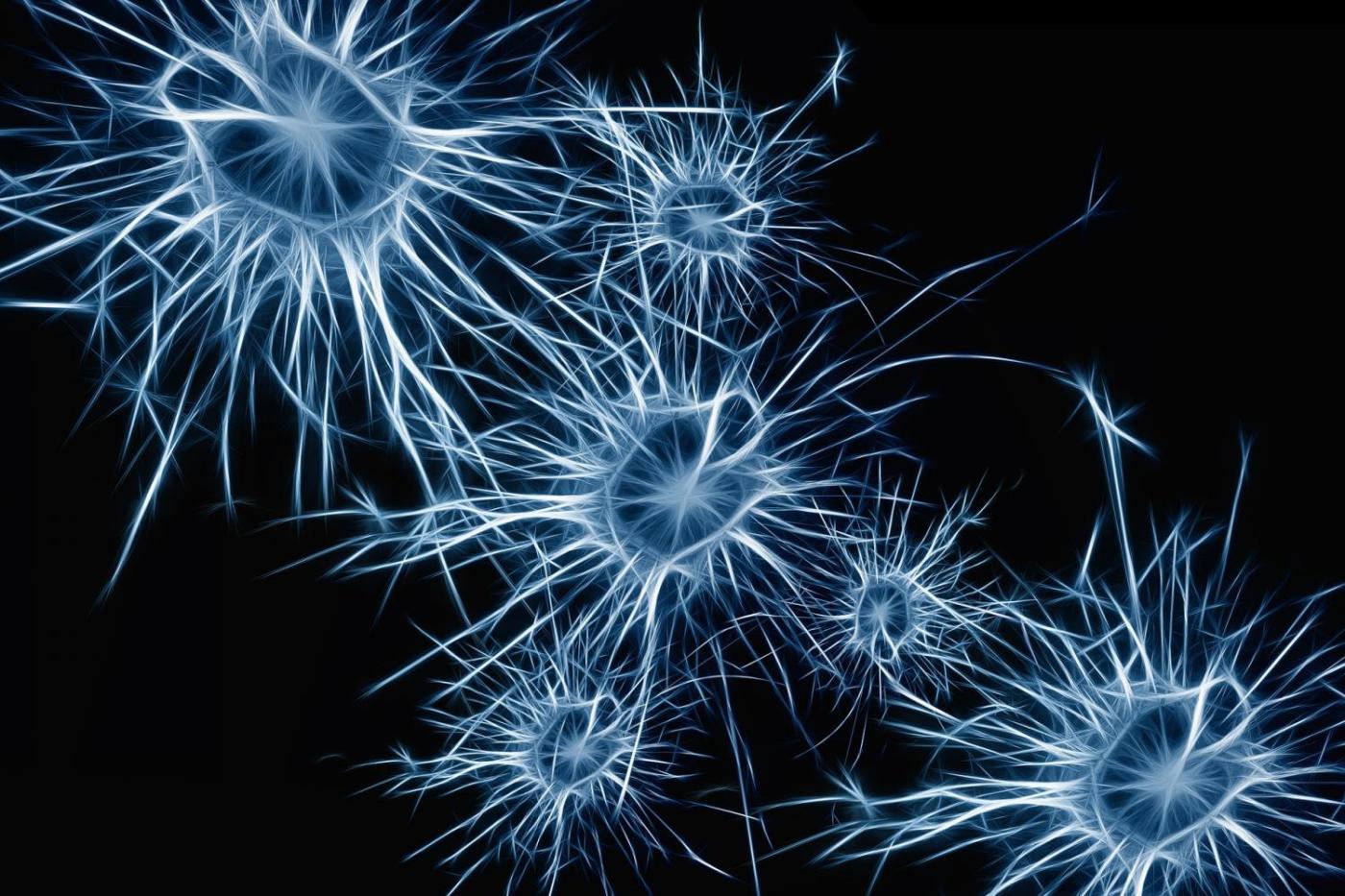
A Mount Sinai study, published in the journal Nature Neuroscience, provides important insight into how microglia, cells that form a branch of the immune system inside the brain, go about their job of clearing out dying and non-functional neurons – and... Continue Reading →

Long-term use of either cannabis or cannabis-based drugs impairs memory say researchers. The study has implications for both recreational users and people who use the drug to combat epilepsy, multiple sclerosis and chronic pain. They found that mice exposed to the drug... Continue Reading →

The reason why some people find it so hard to resist finishing an entire bag of chips or bowl of candy may lie with how their brain responds to food rewards, leaving them more vulnerable to overeating. In a study... Continue Reading →

Scientists have discovered a “Big Bang” of Alzheimer’s disease – the precise point at which a healthy protein becomes toxic but has not yet formed deadly tangles in the brain. A study from UT Southwestern’s O’Donnell Brain Institute provides novel... Continue Reading →
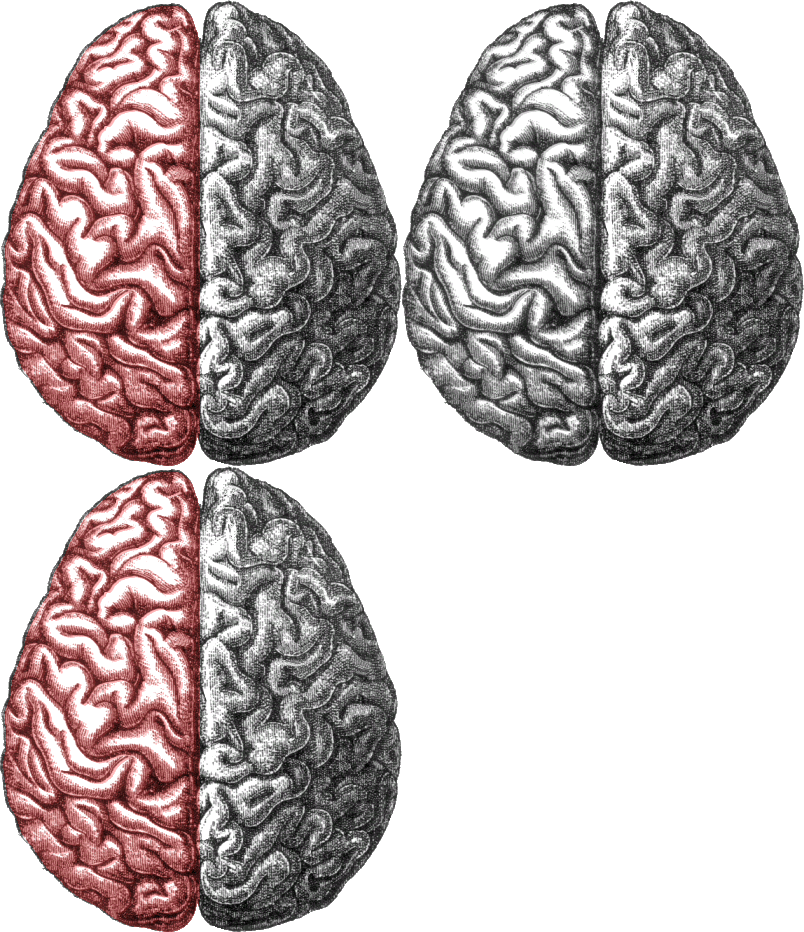
Nerve cells in the brain region planum temporale have more synapses in the left hemisphere than in the right hemisphere – which is vital for rapid processing of auditory speech, according to the report published by researchers from Ruhr-Universität Bochum... Continue Reading →

For some people, certain sounds like a trumpet blowing a particular tone can make them dizzy, and it’s not because they’re giddy from a Wynton Marsalis melody. It has been estimated that 1 in 100 people around the world have... Continue Reading →
 Scents of Science