
Researchers at the University of Minnesota have developed a unique 3D-printed transparent skull implant for mice that provides an opportunity to watch activity of the entire brain surface in real time. The device allows fundamental brain research that could provide... Continue Reading →

In the largest known brain imaging study, scientists from Amen Clinics (Costa Mesa, CA), Google, John’s Hopkins University, University of California, Los Angeles and the University of California, San Francisco evaluated 62,454 brain SPECT (single photon emission computed tomography) scans... Continue Reading →

Poor sleep can literally kill your social life. UC Berkeley researchers have found that sleep-deprived people feel lonelier and less inclined to engage with others, avoiding close contact in much the same way as people with social anxiety. Worse still,... Continue Reading →

A little more than 10 years ago, when neurobiologist Richard Smeynewas working at St. Jude Children’s Research Hospital in Memphis, he saw a video of a duck acting strangely. The white-feathered, orange-billed bird was standing slightly apart from its flock on... Continue Reading →
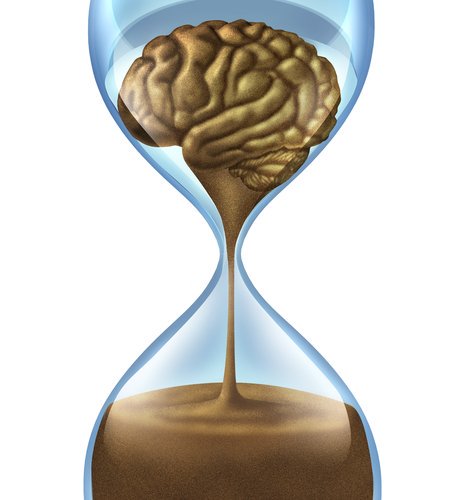
In 1993, neurologist Camilo R. Gomez, MD, coined a phrase that for a quarter century has been a fundamental rule of stroke care: “Time is brain!” “Unquestionably the longer therapy is delayed, the lesser the chance that it will be... Continue Reading →

A space-exploring robot crashes on a distant planet. In order to gather the pieces of its damaged spaceship, it needs to build emotional rapport with the local alien inhabitants. The aliens speak a different language but their facial expressions are... Continue Reading →
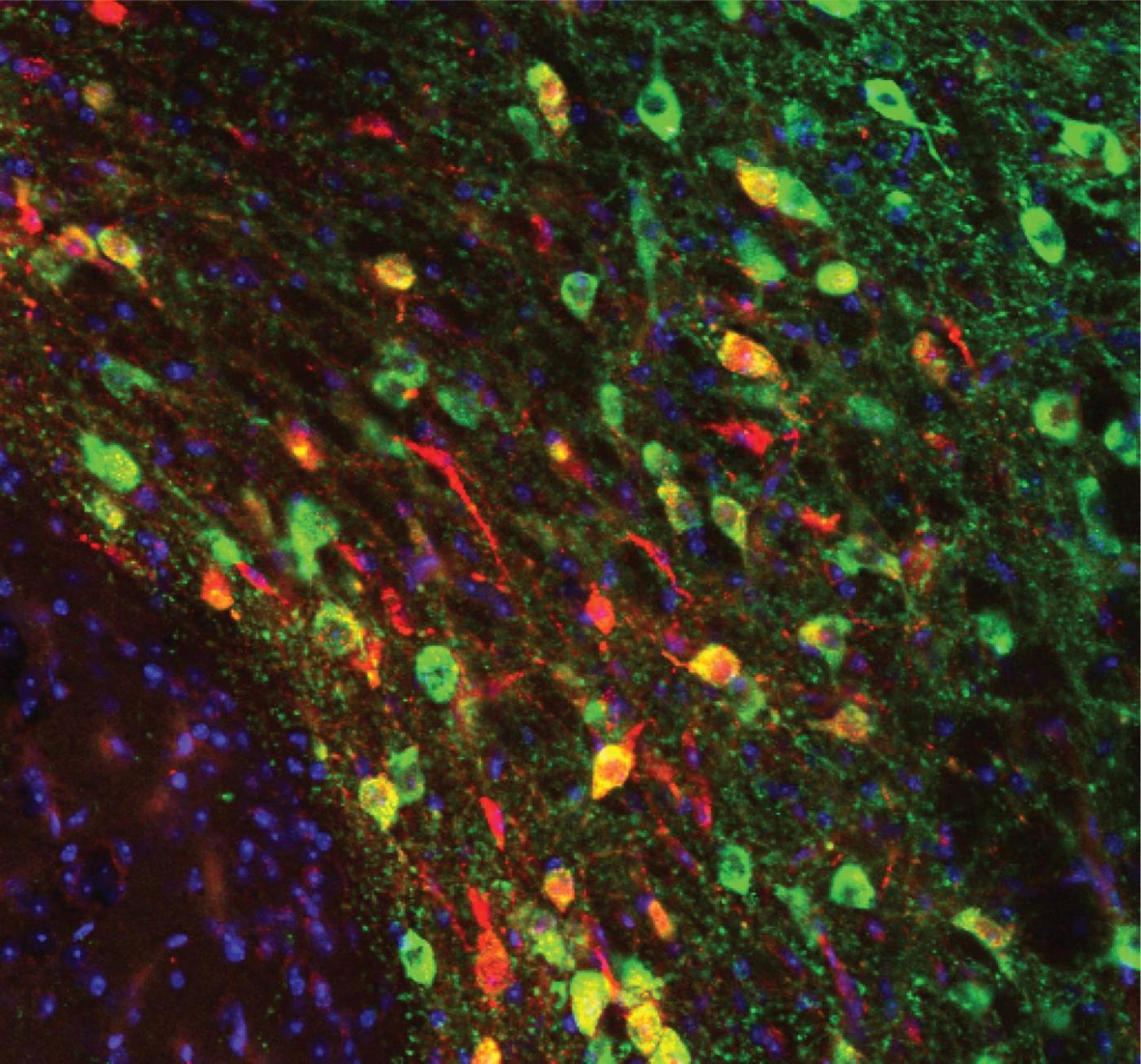
Autism spectrum disorders are a heterogeneous group of neurodevelopmental disorders, one of the main characteristics of which is impaired social communication. But what happens in patients' brains that disrupts their social skills? According to scientists from the Universities of Geneva... Continue Reading →

Many patients with neuropsychiatric disorders such as anxiety or depression experience negative moods that lead them to focus on the possible downside of a given situation more than the potential benefit. MIT neuroscientists have now pinpointed a brain region that... Continue Reading →
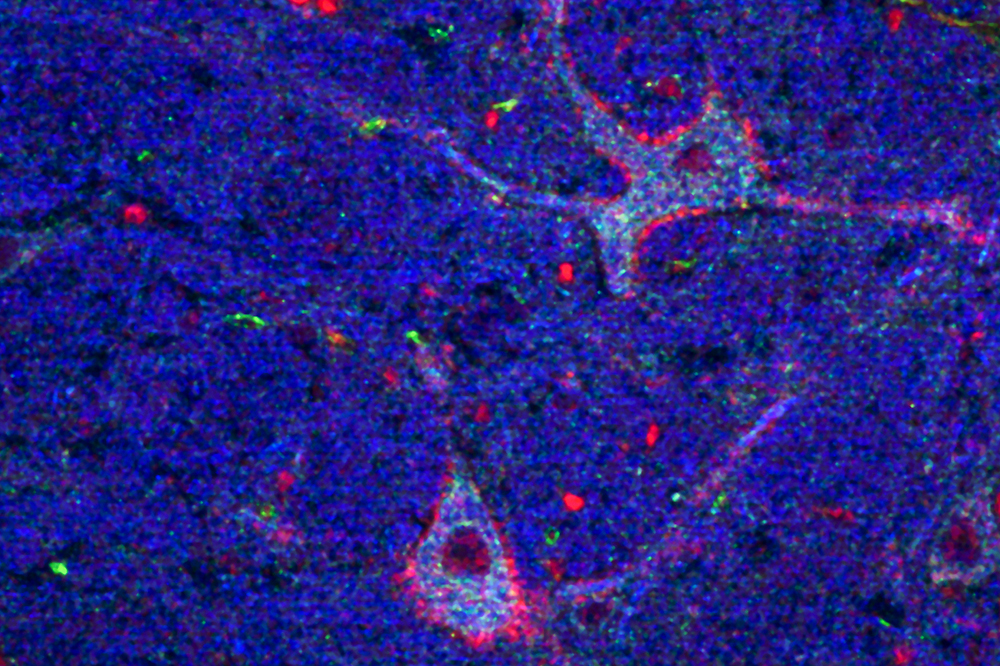
There is no shortage of wonders that our central nervous system produces—from thought and language to movement to the five senses. All of those dazzling traits, however, depend on an underappreciated deep brain mechanism that Donald Pfaff, head of the... Continue Reading →
 Scents of Science