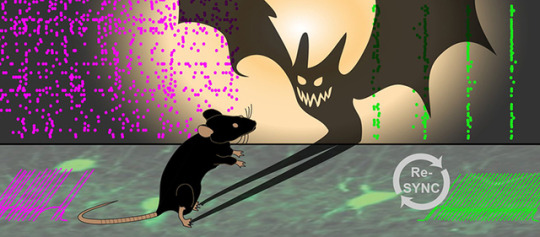
Schizophrenia, an often severe and disabling psychiatric disorder, affects approximately 1% of the world’s population. While research over the past few years has suggested that desynchronization of neurons may be the cause of its neuropsychiatric symptoms, such as memory disorders,... Continue Reading →

For thousands of years, humans have relied on storytelling to engage, to share emotions and to relate personal experiences. Now, psychologists at McMaster University are exploring the mechanisms deep within the brain to better understand just what happens when we... Continue Reading →

If getting to the gym seems like a struggle, a University of British Columbia researcher wants you to know this: the struggle is real, and it’s happening inside your brain. The brain is where Matthieu Boisgontier and his colleagues went... Continue Reading →

A team of researchers has uncovered the distinct computations that occur when we switch between different languages, a finding that provides new insights into the nature of bilingualism. Previous research has linked language switching with increased activity in areas associated with cognitive... Continue Reading →

Researchers at the University of Maryland School of Medicine (UMSOM) have made a surprising discovery: during fetal development, a particular immune cell seems to play a key role in determining the male or female characteristics of the brain. “This a... Continue Reading →

Engineers and physicians at USC and the University of California, San Francisco have discovered how mood variations can be translated, or decoded, from neural signals in a person’s brain — a process that has not been demonstrated before. The study,... Continue Reading →
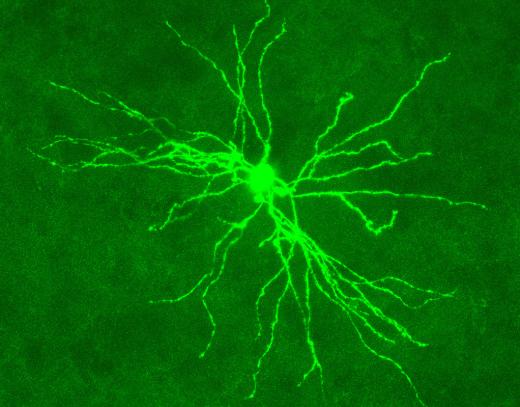
Adults select appropriate behavior with the help of the brain’s “spiny” neurons, and now a study from Columbia neuroscientists shows how these neurons mature during childhood. Why the study is important In disorders like ADHD that arise during childhood, neuroscientists... Continue Reading →
Providing "targeted" social support to other people in need activates regions of the brain involved in parental care- which may help researchers understand the positive health effects of social ties, reports a study in Psychosomatic Medicine: Journal of Biobehavioral Medicine, the... Continue Reading →
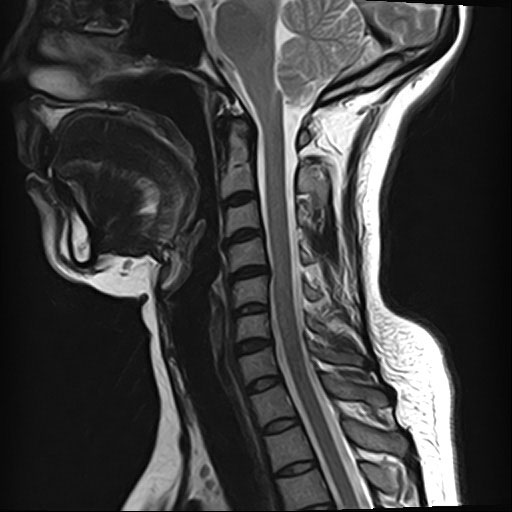
Bone marrow, the spongy tissue inside most of our bones, produces red blood cells as well as immune cells that help fight off infections and heal injuries. According to a new study of mice and humans, tiny tunnels run from... Continue Reading →
 Scents of Science