
For most of modern history, the story we told about Neanderthals was simple: they were the other guys. Primitive. Separate. Eventually gone, replaced by us Homo sapiens, the smarter, more adaptable species that won the evolutionary race. A cave in... Continue Reading →
On a day named after one of the strangest numbers in physics, the world pauses to celebrate the science that makes your phone, your MRI, and possibly the future of computing tick.

The Obsession In the 1630s, the Netherlands was gripped by what historians now call Tulip Mania, arguably the world's first recorded speculative financial bubble. Tulips had arrived in Europe from the Ottoman Empire in the late 1500s, and the Dutch became... Continue Reading →
You've probably heard that Alzheimer's involves sticky protein clumps forming in the brain. But here's what scientists have never been able to do, until now: watch it happen in real time. A team at Oregon State University, led by chemistry... Continue Reading →
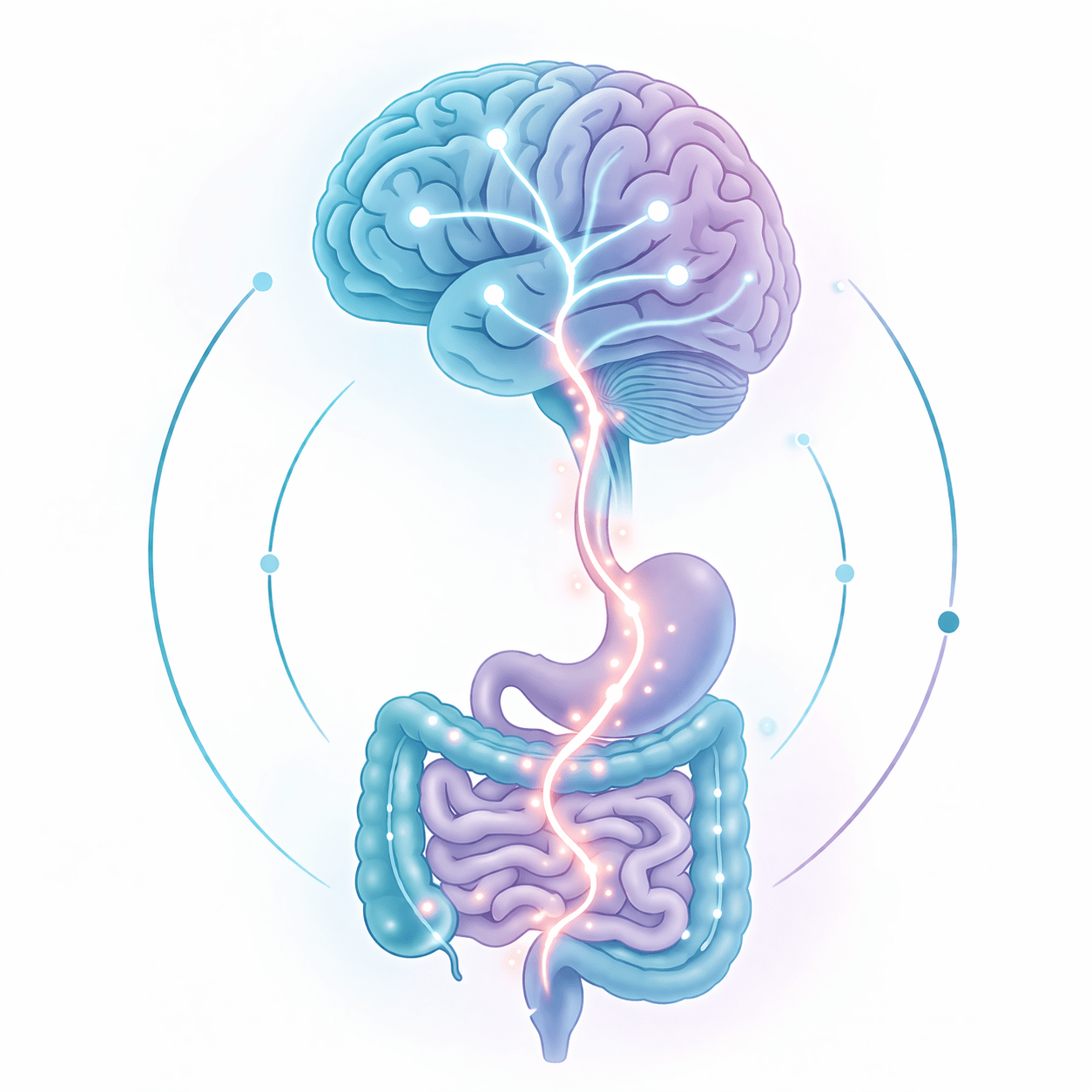
You've felt it. Science is finally catching up to explain why. "Butterflies before a presentation. A knot in your stomach when something's wrong. Your gut going quiet when you're deeply focused. We've always known the gut reacts to emotions, but... Continue Reading →
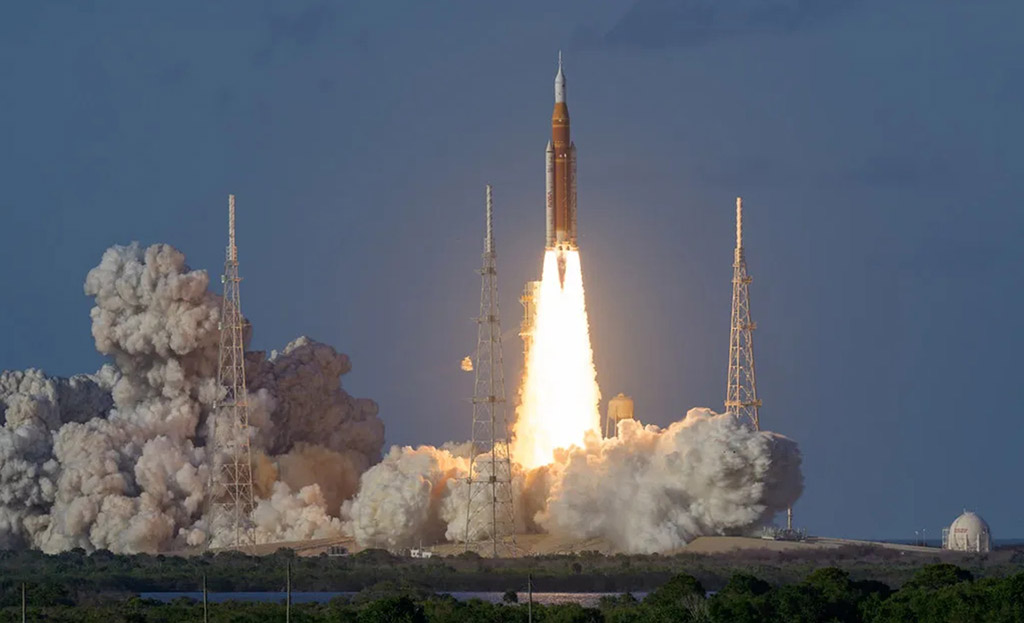
We are one small step closer to returning to the Moon. A new chapter in human exploration began yesterday when NASA's Artemis II launched aboard the Space Launch System (SLS) from Kennedy Space Center. Carrying four astronauts, the Orion spacecraft's planned lunar flyby will be the first in... Continue Reading →
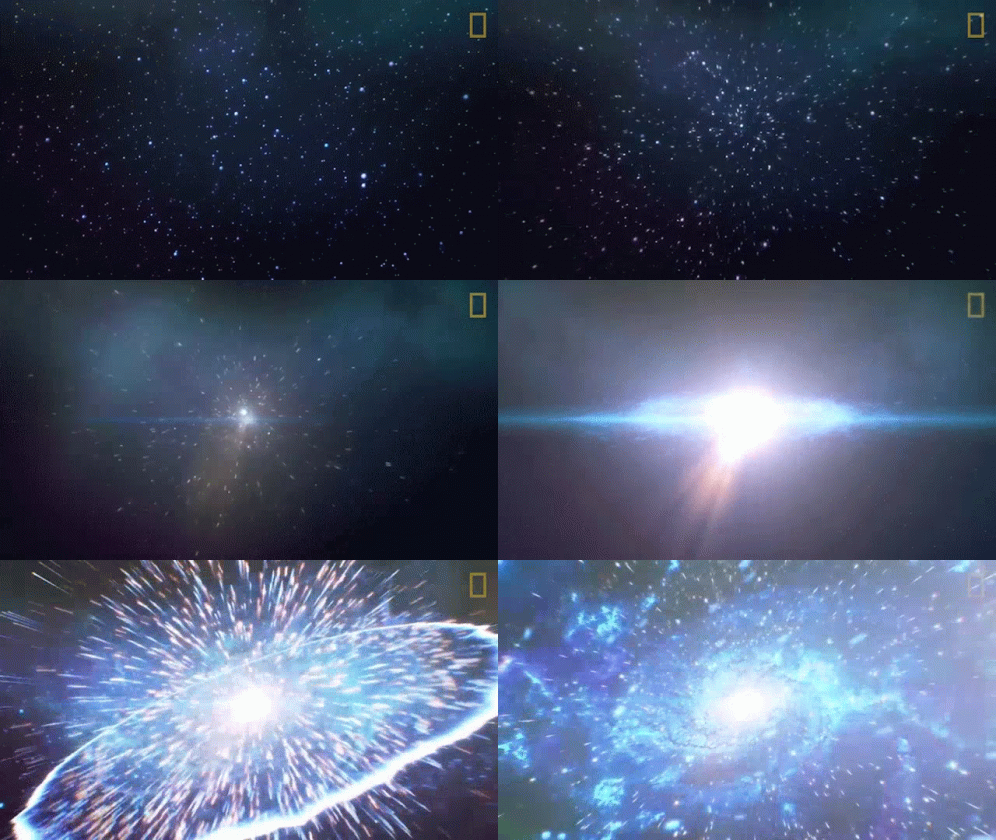
For nearly a century, the Big Bang has been the leading explanation for how our universe began: a hot, dense state that rapidly expanded into everything we see today. But there’s a problem. When physicists try to rewind the universe... Continue Reading →
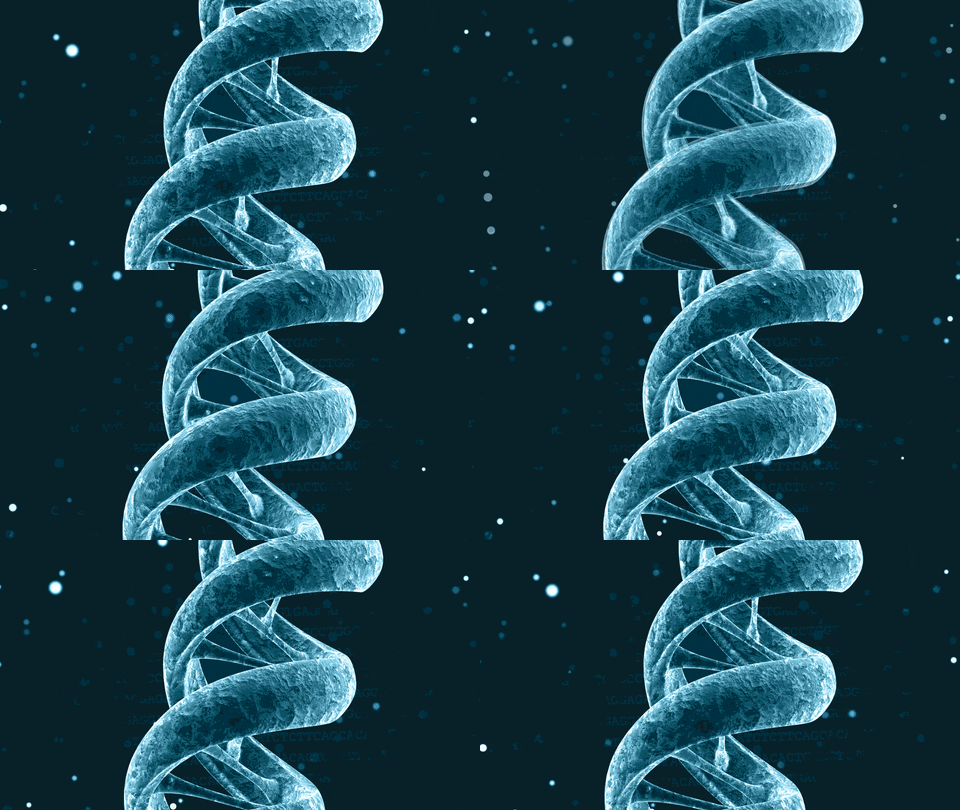
When we think about DNA, we usually imagine something static—like a blueprint locked safely inside our cells. But what if that blueprint is constantly moving, reshaping itself, and actively influencing who we are at a cellular level? That’s exactly what... Continue Reading →
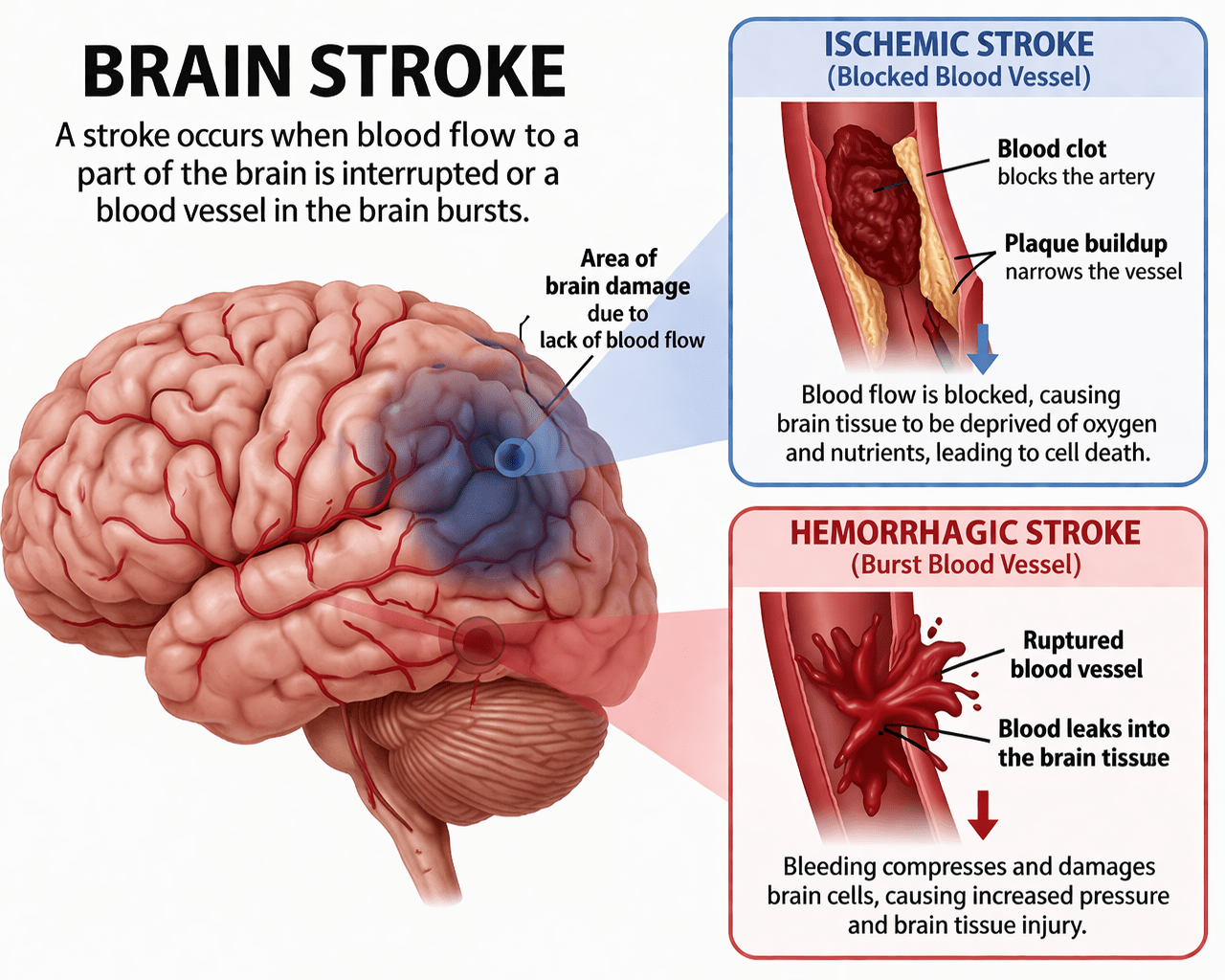
In a new study published in The Lancet Digital Health, scientists at the USC Mark and Mary Stevens Neuroimaging and Informatics Institute (Stevens INI) have discovered that the brains of people who experience severe physical impairment after a stroke may reorganize themselves... Continue Reading →
 Scents of Science