
She found herself falling in love with him all over again, as if her heart had forgotten the years and decided to start anew. Every glance, every memory, made her believe he was still the best thing that had ever... Continue Reading →
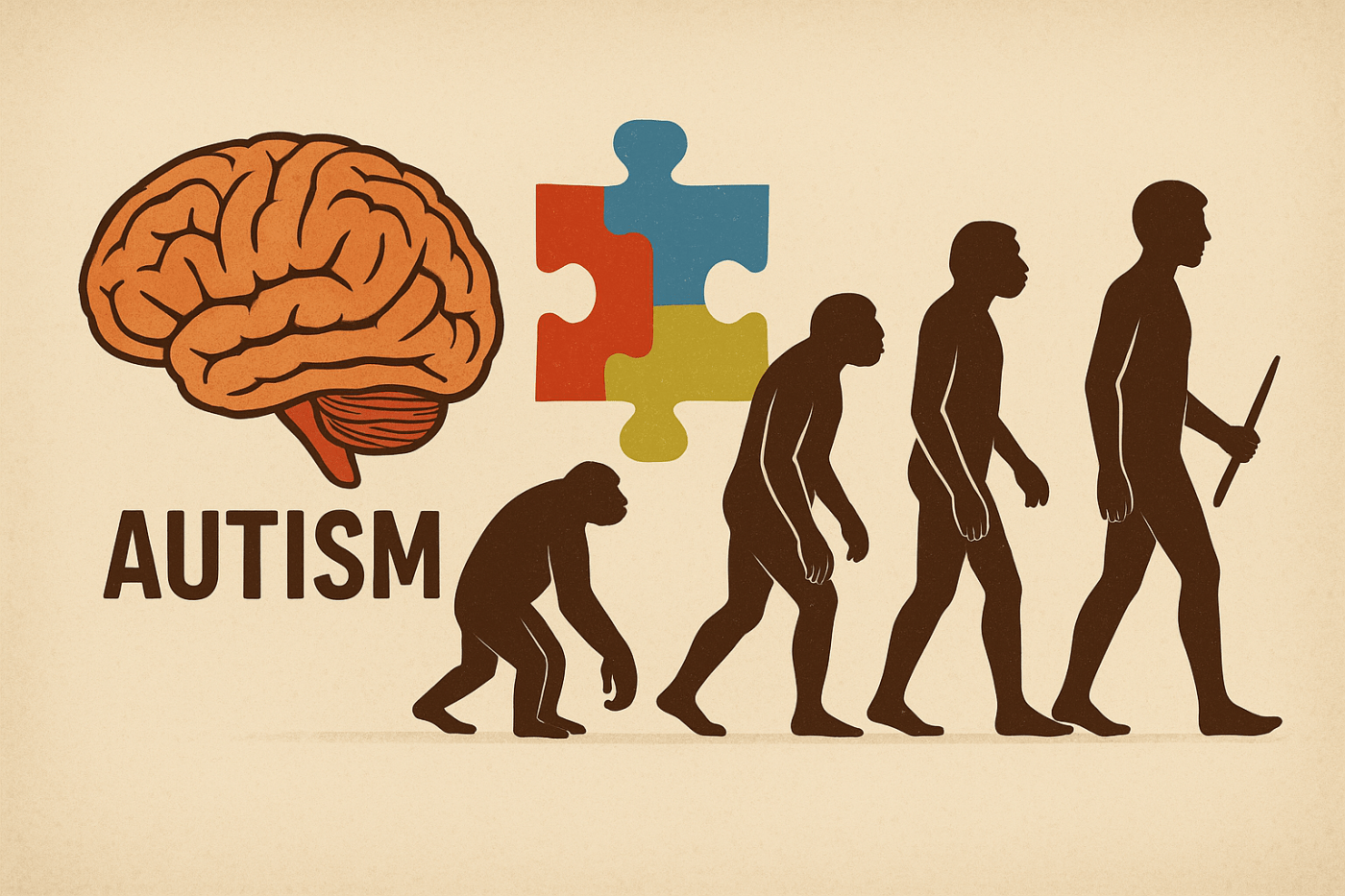
A new paper in Molecular Biology and Evolution, published by Oxford University Press, finds that the relatively high rate of Autism-spectrum disorders in humans is likely due to how humans evolved in the past. About one in 31 (3.2%) children in the... Continue Reading →

On the morning of September 24 a rocket crosses the bright solar disk in this long range telescopic snapshot captured from Orlando, Florida. That's about 50 miles north of its Kennedy Space Center launch site. This rocket carried three new space... Continue Reading →

What causes us to sleep? The answer may lie not only in our brains, but in their complex interplay with the micro-organisms spawned in our intestines. New research from Washington State University suggests a new paradigm in understanding sleep, demonstrating... Continue Reading →
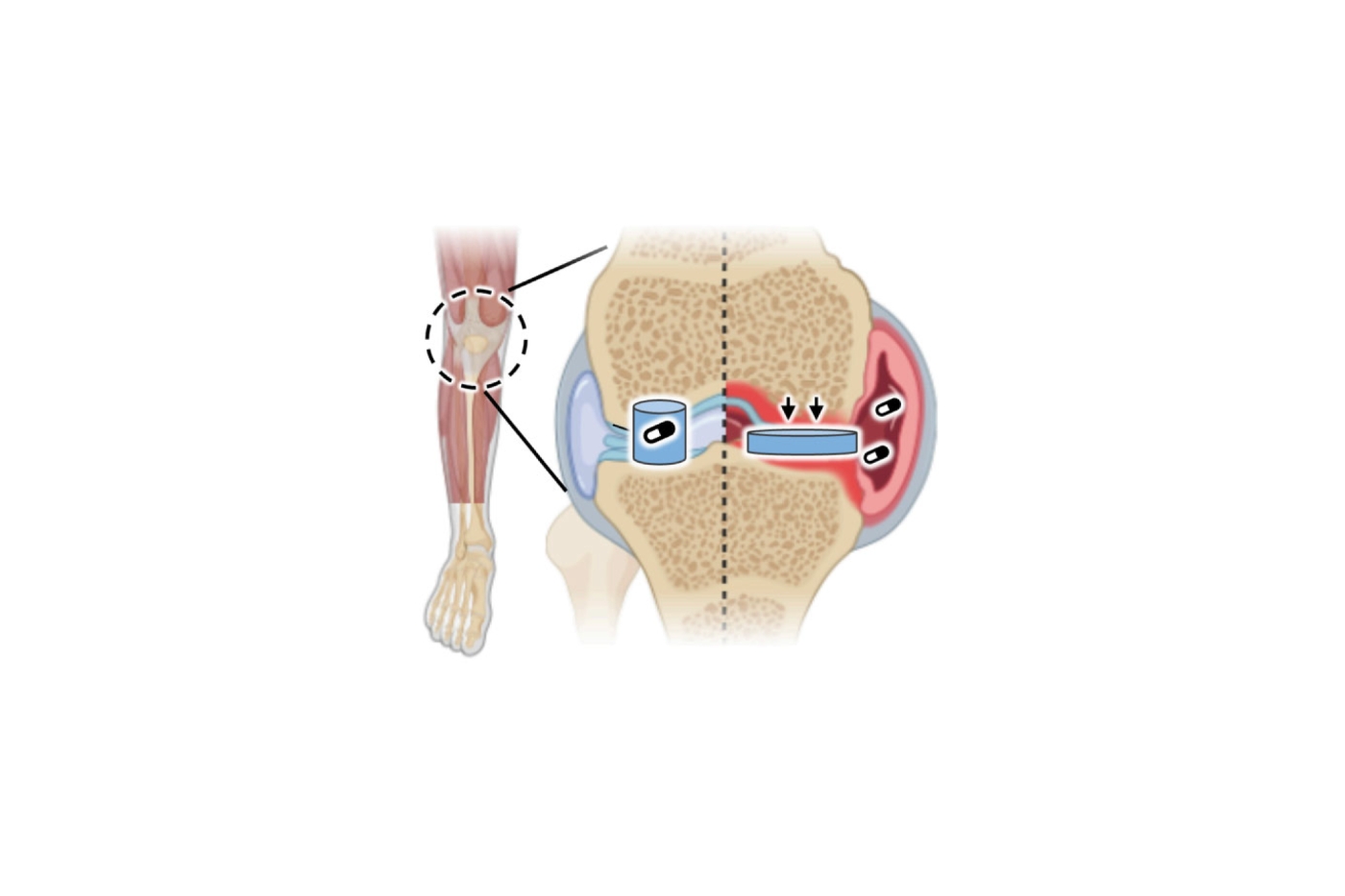
Researchers have developed a material that can sense tiny changes within the body, such as during an arthritis flare-up, and release drugs exactly where and when they are needed. The squishy material can be loaded with anti-inflammatory drugs that are... Continue Reading →
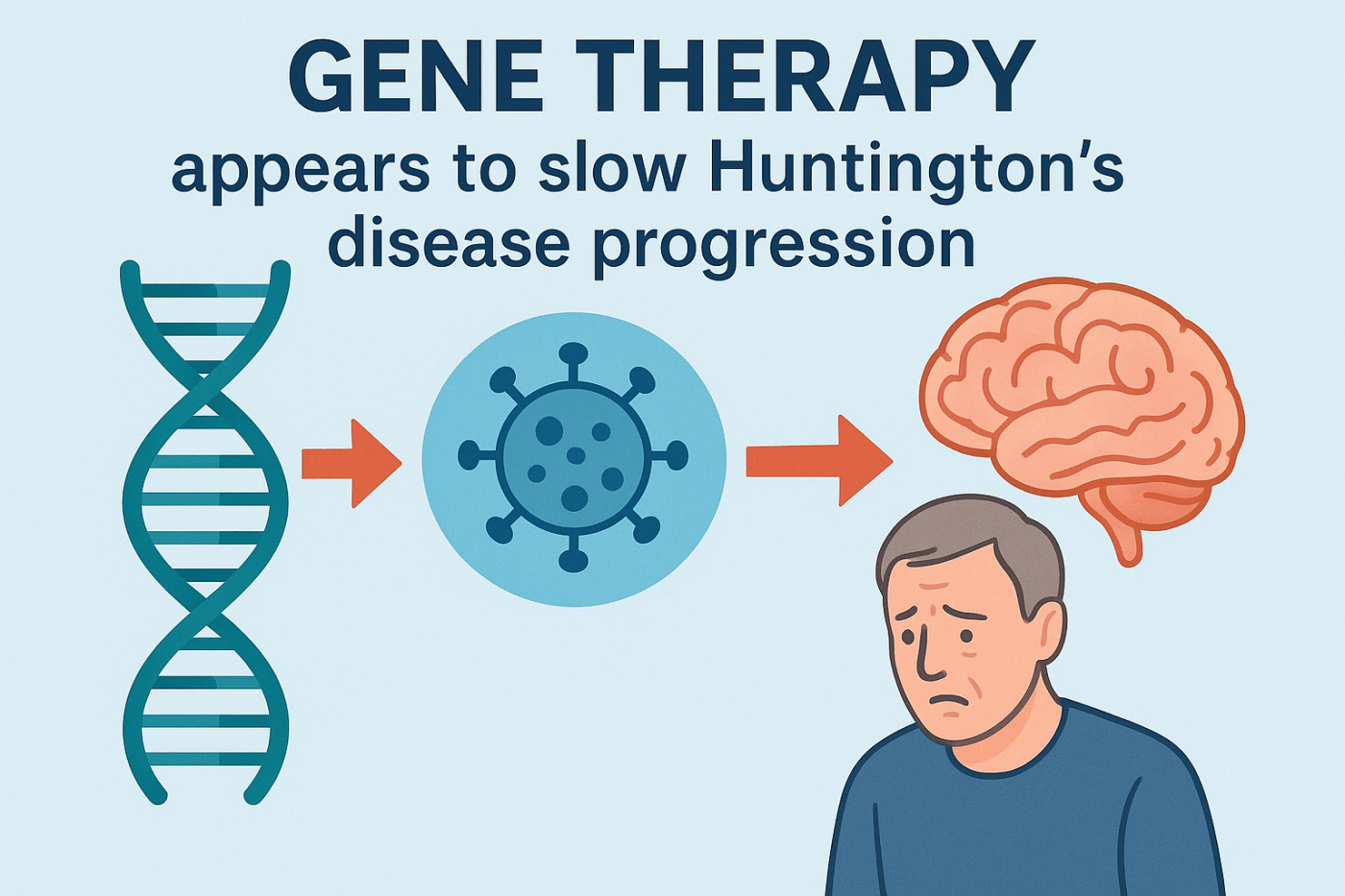
The researchers found that patients receiving the treatment experienced 75% less progression of the disease overall, compared to a matched cohort of people with Huntington’s who were not receiving the treatment. This is the first time a drug trial has... Continue Reading →

It had rained all morning, a steady gray curtain that blurred the outlines of the world and turned every sound into a muted whisper. The streets shone with shallow streams, gutters ran full, and the trees bent under the weight... Continue Reading →

Drinking too little water could increase our vulnerability to stress-related health issues, according to a new study from scientists at LJMU. People who drink less than the recommended daily fluid intake experience a greater stress hormone response, which is associated... Continue Reading →

As infants, humans naturally learn new words and their associations -- like the fact that forks are related to bowls because both are used to consume food. In a study published in the Cell Press journal Current Biology on September 18, a... Continue Reading →
 Scents of Science