
NGC 2438 is a planetary nebula, formed after the death of a Sun-like star. The medium-sized star would have expelled its outer layers of gas into space as it died, leaving behind a white-dwarf core. A halo of glowing gas... Continue Reading →

The Horsehead Nebula is one of the most famous nebulae on the sky. It is visible as the dark indentation to the orange emission nebula at the far right of the featured picture. The horse-head feature is dark because it is really an opaque dust cloud that lies in... Continue Reading →
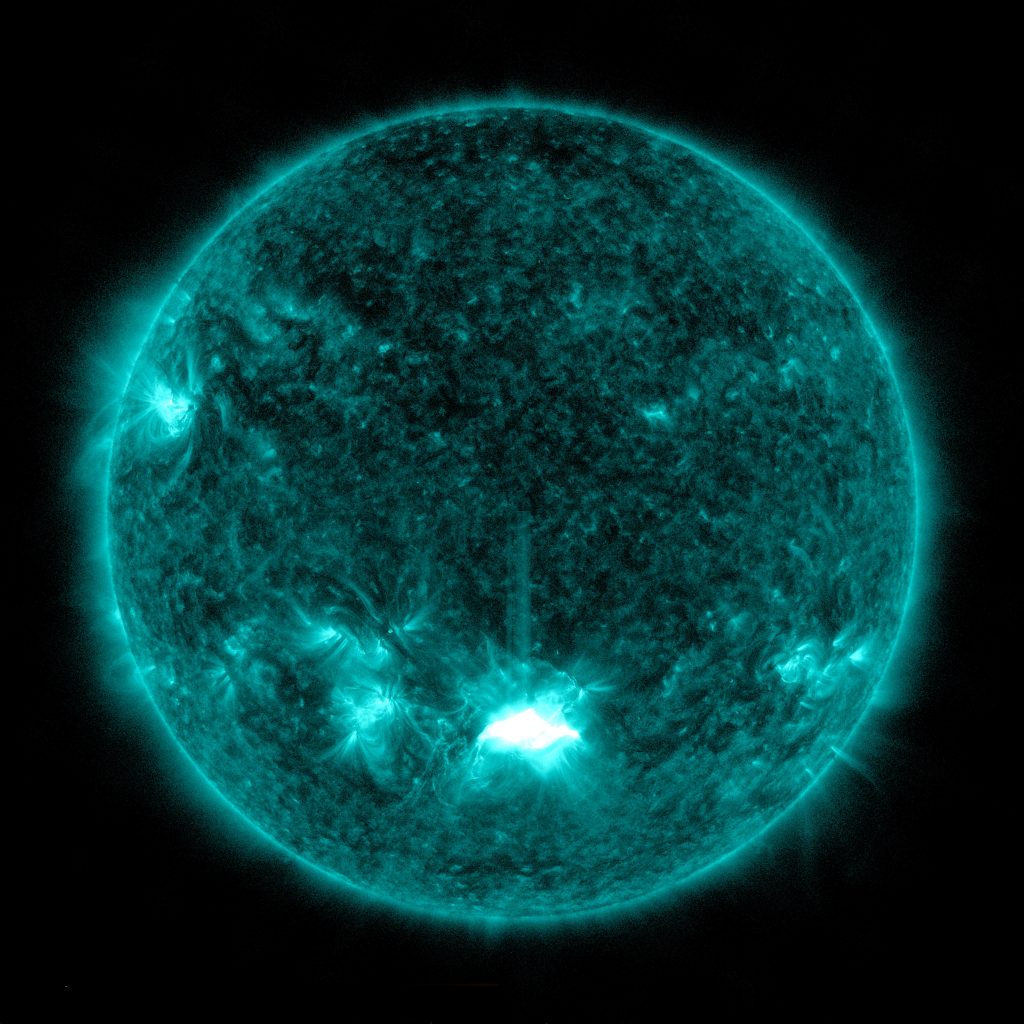
Significant Solar Flare The Sun emitted a significant solar flare peaking at 11:35 a.m. EDT on Oct. 28, 2021. NASA’s Solar Dynamics Observatory, which watches the Sun constantly, captured an image of the event. Solar flares are powerful bursts of radiation.... Continue Reading →

New findings from NASA’s Juno probe orbiting Jupiter provide a fuller picture of how the planet’s distinctive and colorful atmospheric features offer clues about the unseen processes below its clouds. The results highlight the inner workings of the belts and... Continue Reading →

In June 2021, NASA received its first sample of asteroid Ryugu, which was returned to Earth in December 2020 by the Japan Aerospace Exploration Agency’s (JAXA) Hayabusa2 spacecraft. This is one of the first samples to leave Japan for preliminary investigation. As deputy leader of... Continue Reading →
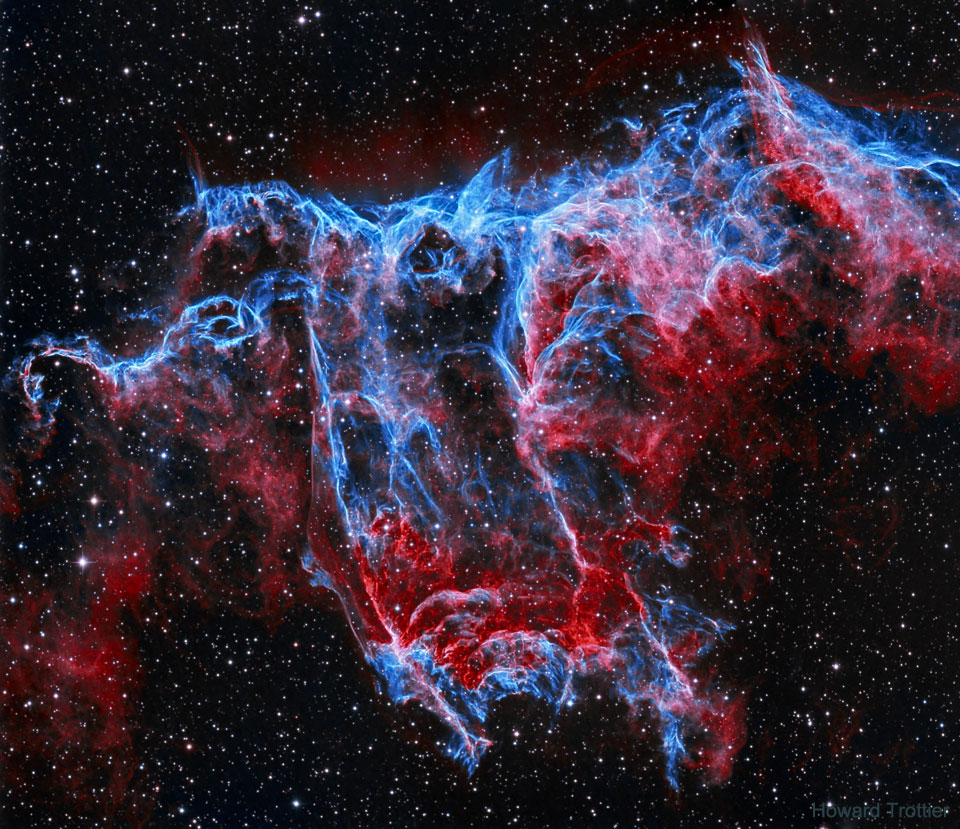
Do you see the bat? It haunts this cosmic close-up of the eastern Veil Nebula. The Veil Nebula itself is a large supernova remnant, the expanding debris cloud from the death explosion of a massive star. While the Veil is roughly circular in shape and covers nearly 3 degrees on... Continue Reading →

Observe the graceful twirl of our Solar System's largest planet. Many interesting features of Jupiter's enigmatic atmosphere, including dark belts and light zones, can be followed in detail. A careful inspection will reveal that different cloud layers rotate at slightly different speeds. The... Continue Reading →
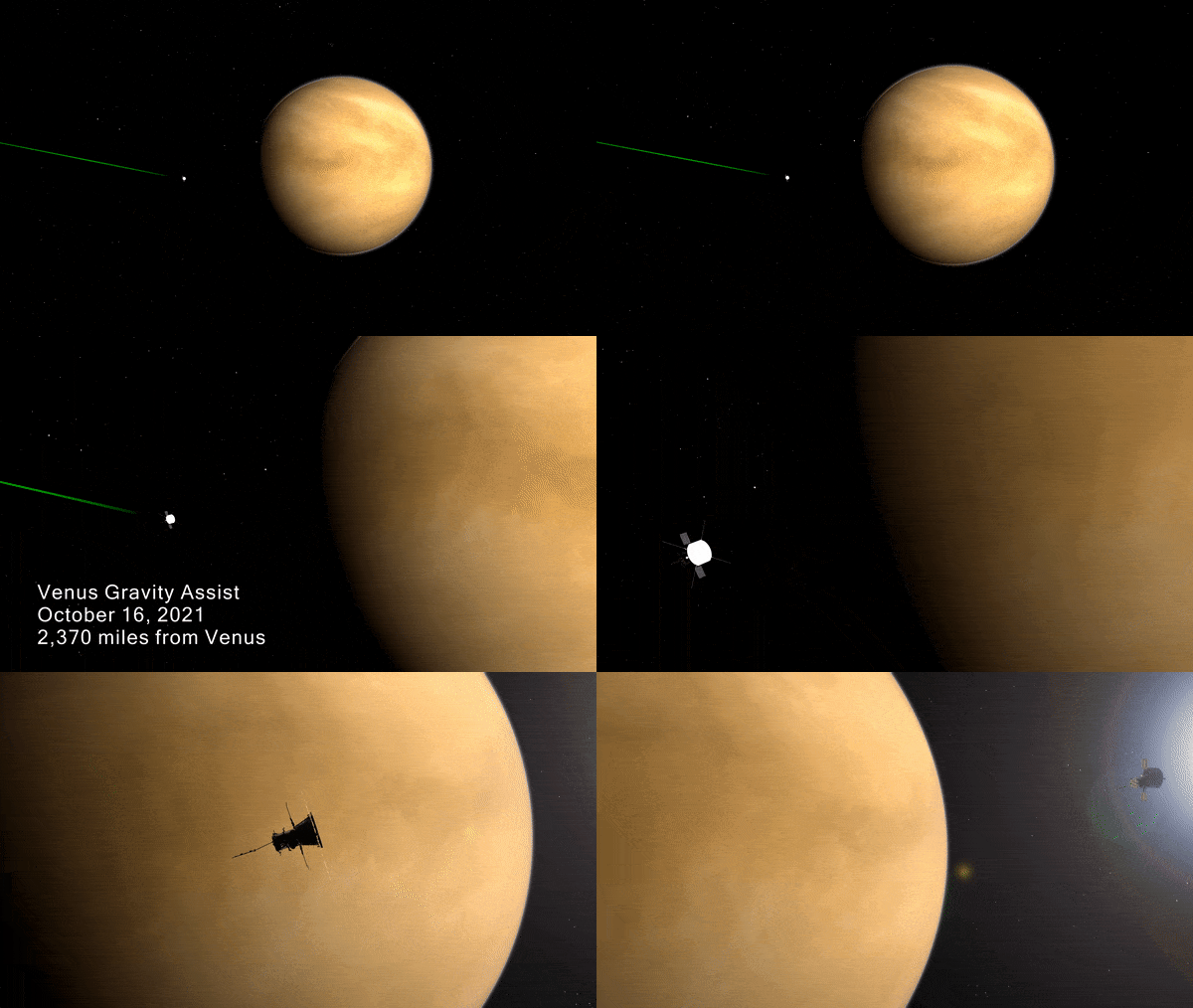
NASA’s Parker Solar Probe is speeding in toward the Sun after a swing past Venus on Oct. 16, successfully using the planet’s gravity to shape its path for its next closest approach to our star. At just after 5:30 a.m.... Continue Reading →

Blown by fast winds from a hot, massive star, this cosmic bubble is huge. Cataloged as Sharpless 2-308 it lies some 5,000 light-years away toward the constellation of the Big Dog (Canis Major) and covers slightly more of the sky than a... Continue Reading →
 Scents of Science