
Sometimes, even rovers on Mars stop to admire the scenery. Just late last November the Curiosity rover on Mars paused to photograph its impressive surroundings. One thing to admire, straight ahead, was Central Butte, an unusual flat hill studied by Curiosity just a few days before this image... Continue Reading →
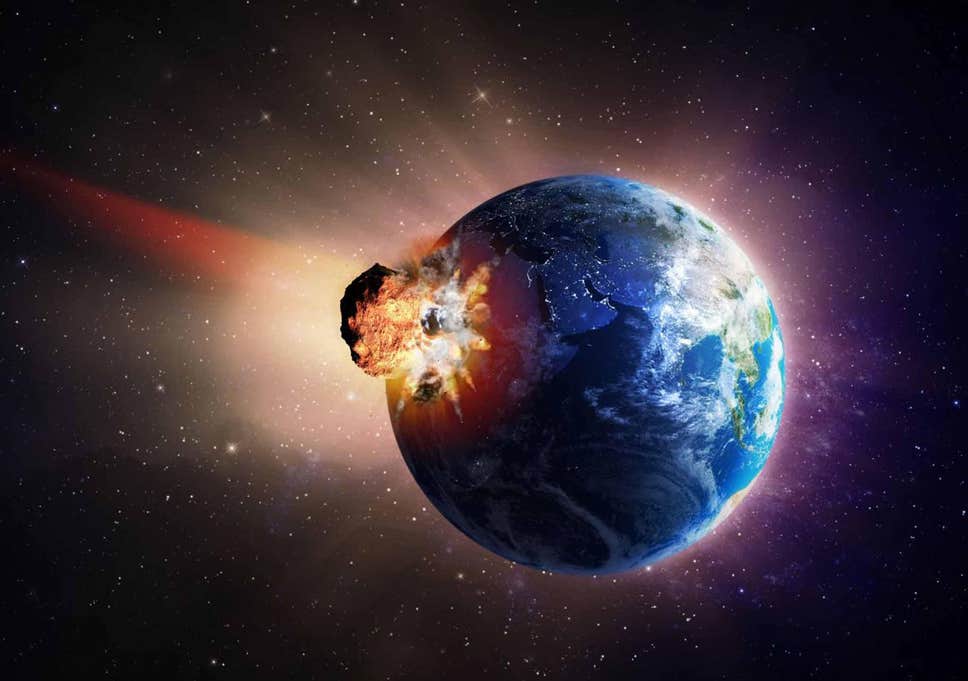
Curtin University scientists have discovered Earth's oldest asteroid strike occurred at Yarrabubba, in outback Western Australia, and coincided with the end of a global deep freeze known as a Snowball Earth. The research, published in the leading journal Nature Communications, used... Continue Reading →

It is the closest cluster of stars to the Sun. The Hyades open cluster is bright enough to have been remarked on even thousands of years ago, yet is not as bright or compact as the nearby Pleiades (M45) star cluster. Pictured here is a... Continue Reading →

This artist’s concept illustrates a catastrophic collision between two rocky exoplanets in the planetary system BD +20 307, turning both into dusty debris. Ten years ago, scientists speculated that the warm dust in this system was a result of a planet-to-planet collision.... Continue Reading →
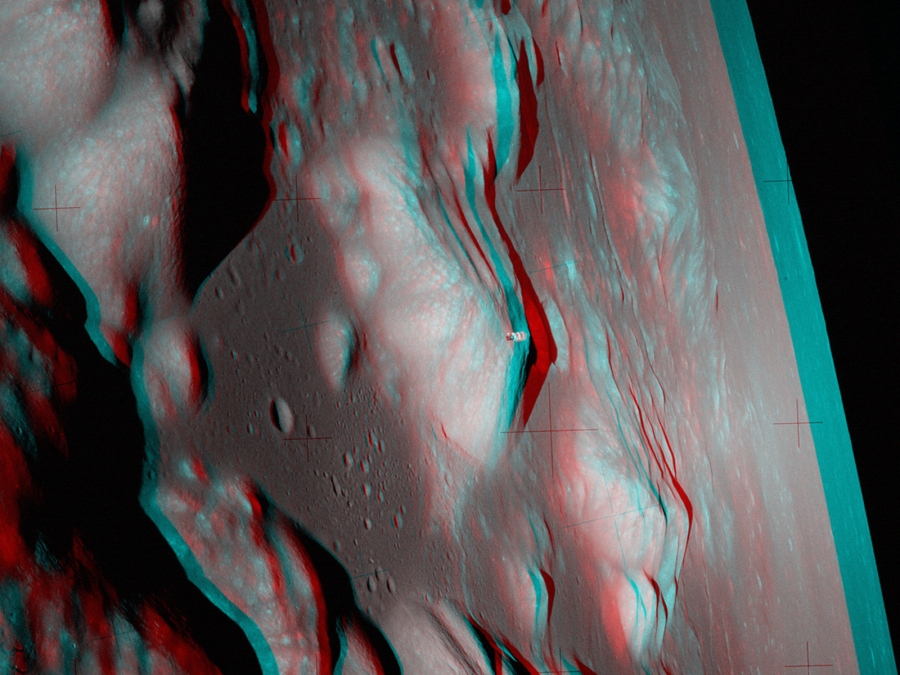
Get out your red/blue glasses and check out this awesome stereo view of another world. The scene was recorded by Apollo 17 mission commander Eugene Cernan on December 11, 1972, one orbit before descending to land on the Moon. The stereo anaglyph was assembled... Continue Reading →
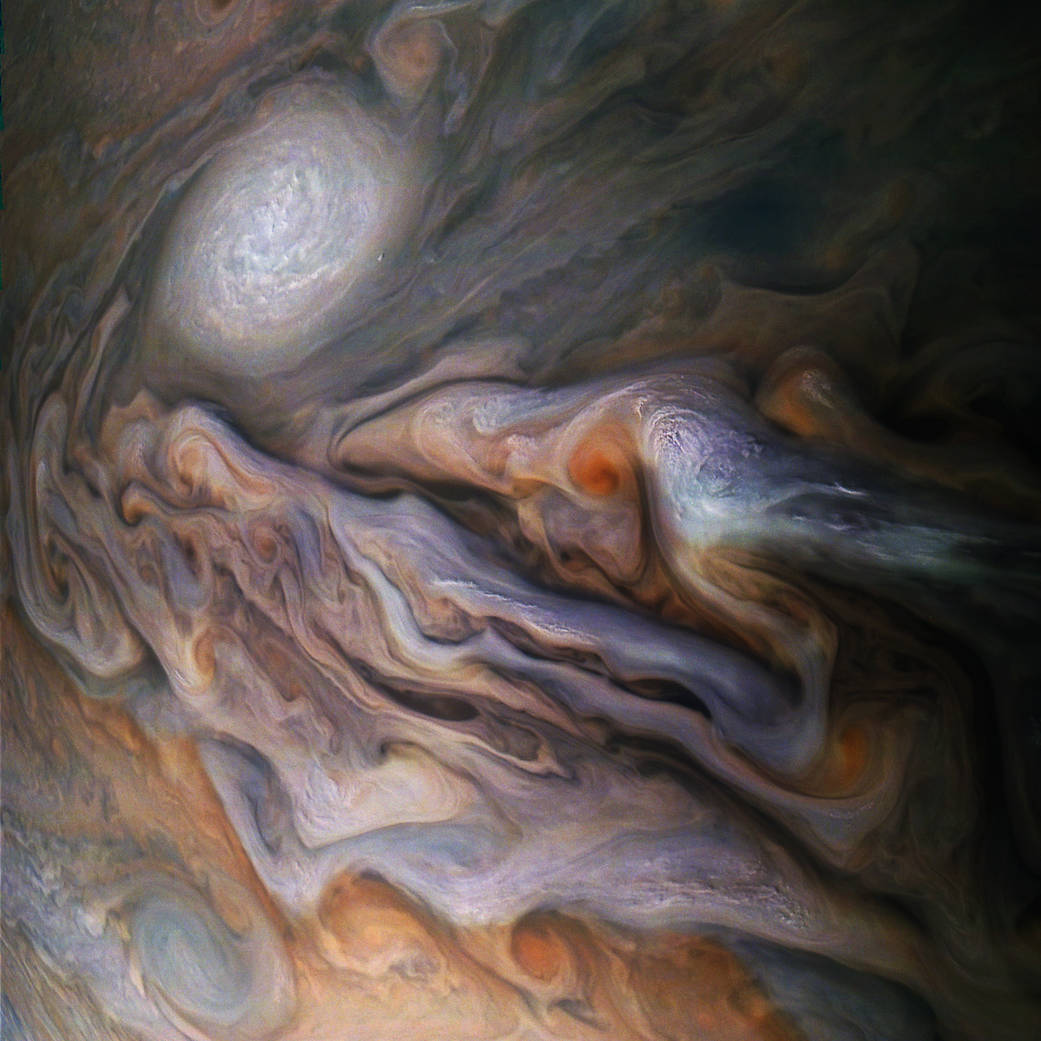
A multitude of swirling clouds in Jupiter's dynamic North North Temperate Belt is captured in this image from NASA's Juno spacecraft. Appearing in the scene are several bright-white “pop-up” clouds as well as an anticyclonic storm, known as a white oval. This color-enhanced... Continue Reading →

Image taken by ESA astronaut Luca Parmitano from outside the International Space Station on the first spacewalk to service the cosmic ray detecting Alpha Magnetic Spectrometer (AMS-02). Luca and his spacewalking partner NASA astronaut Andrew Morgan performed the first of... Continue Reading →
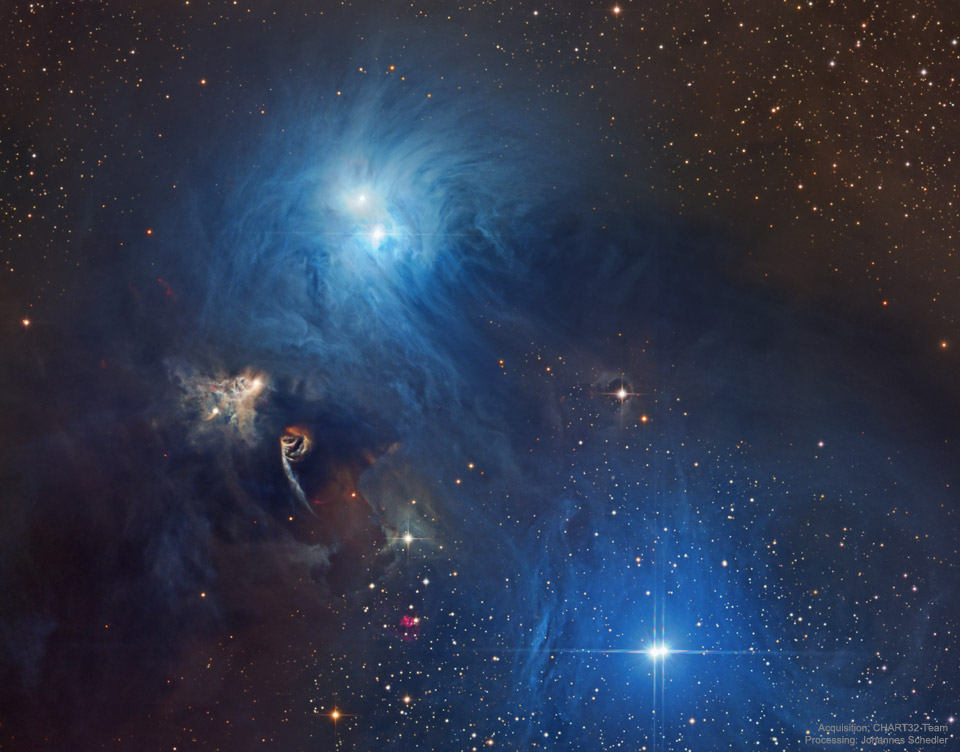
Cosmic dust clouds and young, energetic stars inhabit this telescopic vista, less than 500 light-years away toward the northern boundary of Corona Australis, the Southern Crown. The dust clouds effectively block light from more distant background stars in the Milky Way. But the striking complex... Continue Reading →
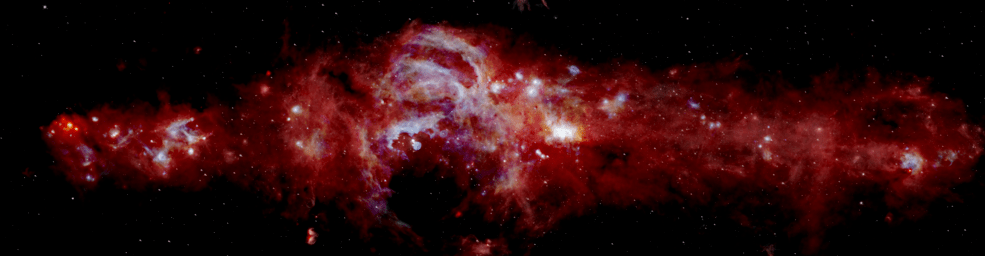
NASA has captured an extremely crisp infrared image of the center of our Milky Way galaxy. Spanning a distance of more than 600 light-years, this panorama reveals details within the dense swirls of gas and dust in high resolution, opening... Continue Reading →
 Scents of Science