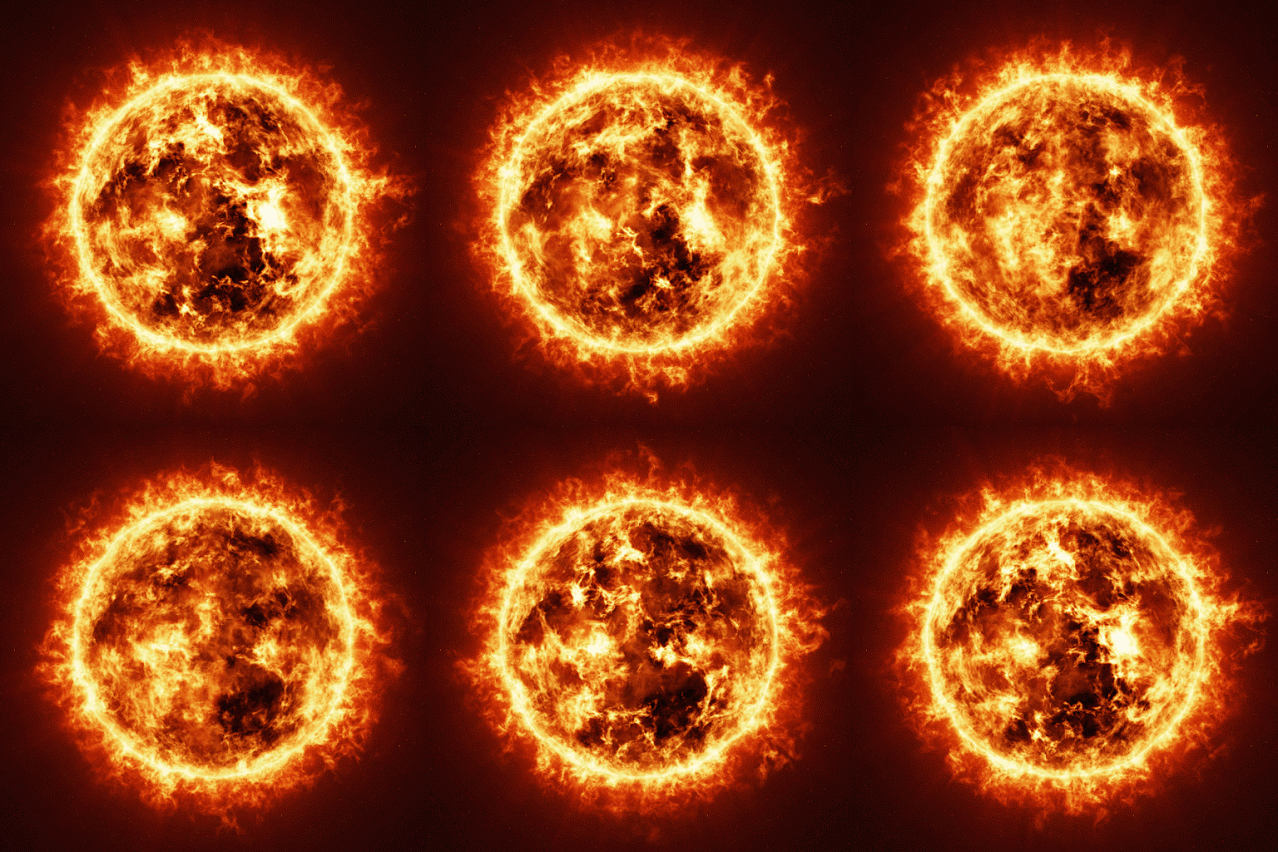
The scientists used large radio telescopes and ultraviolet cameras on a NASA spacecraft to better understand the exotic but poorly understood "fourth state of matter." Known as plasma, this matter could hold the key to developing safe, clean and efficient... Continue Reading →

A gassy insulating layer beneath the icy surfaces of distant celestial objects could mean there are more oceans in the universe than previously thought. Computer simulations provide compelling evidence that an insulating layer of gas hydrates could keep a subsurface... Continue Reading →

The Moon is shrinking as its interior cools, getting more than about 150 feet (50 meters) skinnier over the last several hundred million years. Just as a grape wrinkles as it shrinks down to a raisin, the Moon gets wrinkles... Continue Reading →

Researchers using ALMA data discovered an aluminum-bearing molecule for the first time around a young star. Aluminum rich inclusions found in meteorites are some of the oldest solid objects formed in the Solar System, but their formation process and stage... Continue Reading →
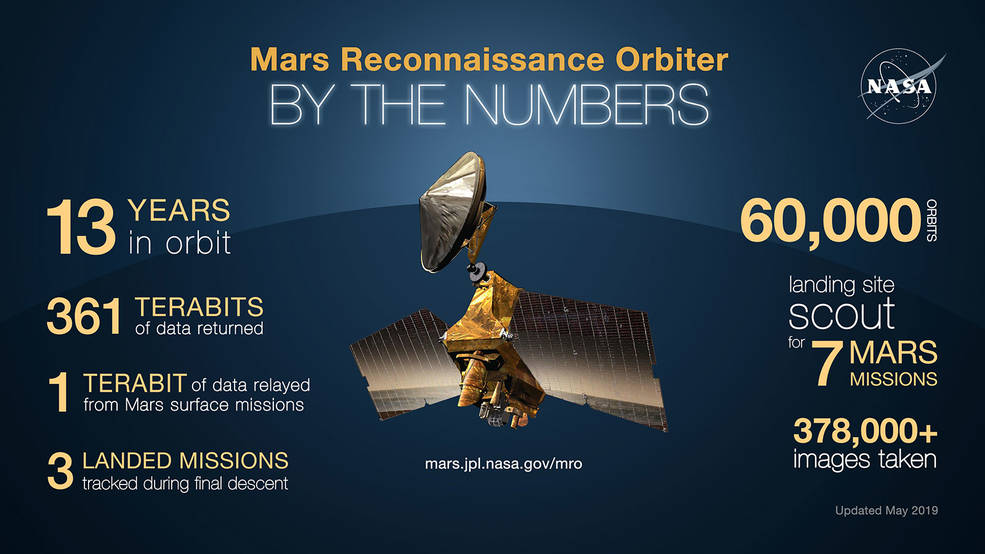
NASA's Mars Reconnaissance Orbiter hit a dizzying milestone: It completed 60,000 loops around the Red Planet. On average, MRO takes 112 minutes to circle Mars, whipping around at about 2 miles per second (3.4 kilometers per second). Since entering orbit... Continue Reading →

Blue Moon is a relatively large lunar lander that's designed to deliver science payloads, moon rovers and even astronauts to the lunar surface. It can also deploy small satellites into lunar orbit as a "bonus mission" on the way, Bezos... Continue Reading →

The Milky Way doesn't look quite this colorful and bright to the eye, but a rocket launch does. So a separate deep exposure with a sensitive digital camera was used in this composite skyscape to bring out our galaxy's central... Continue Reading →
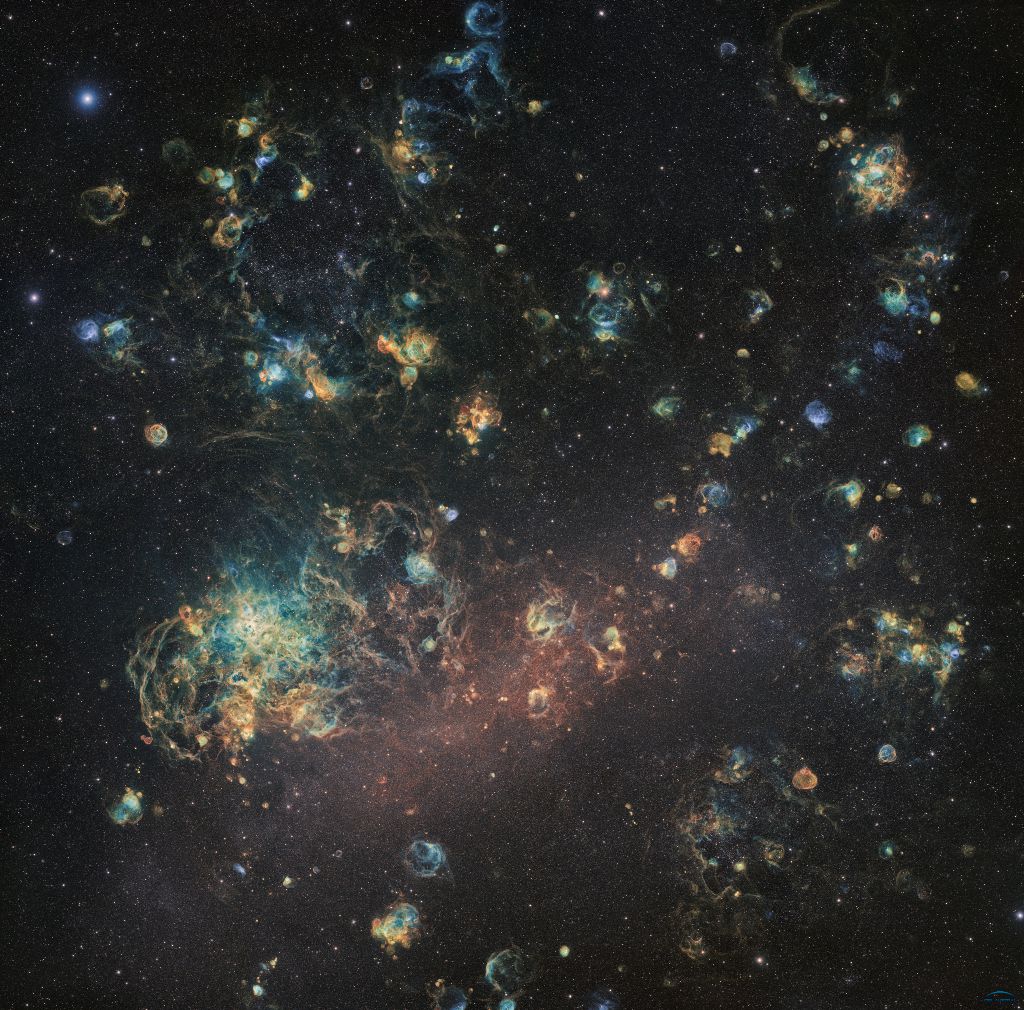
The Large Magellanic Cloud (LMC) is an alluring sight in southern skies. But this deep and detailed telescopic view, over 10 months in the making, goes beyond what is visible to most circumnavigators of planet Earth. Spanning over 5 degrees or 10 full moons, the... Continue Reading →
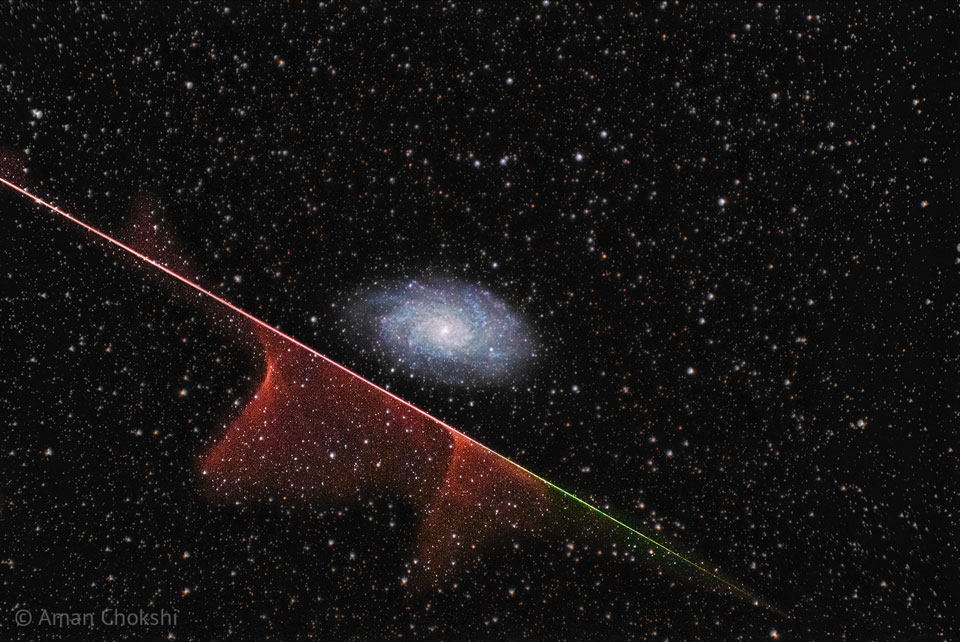
The galaxy was never in danger. For one thing, the Triangulum galaxy (M33), pictured, is much bigger than the tiny grain of rock at the head of the meteor. For another, the galaxy is much farther away -- in this instance 3 million light... Continue Reading →
 Scents of Science