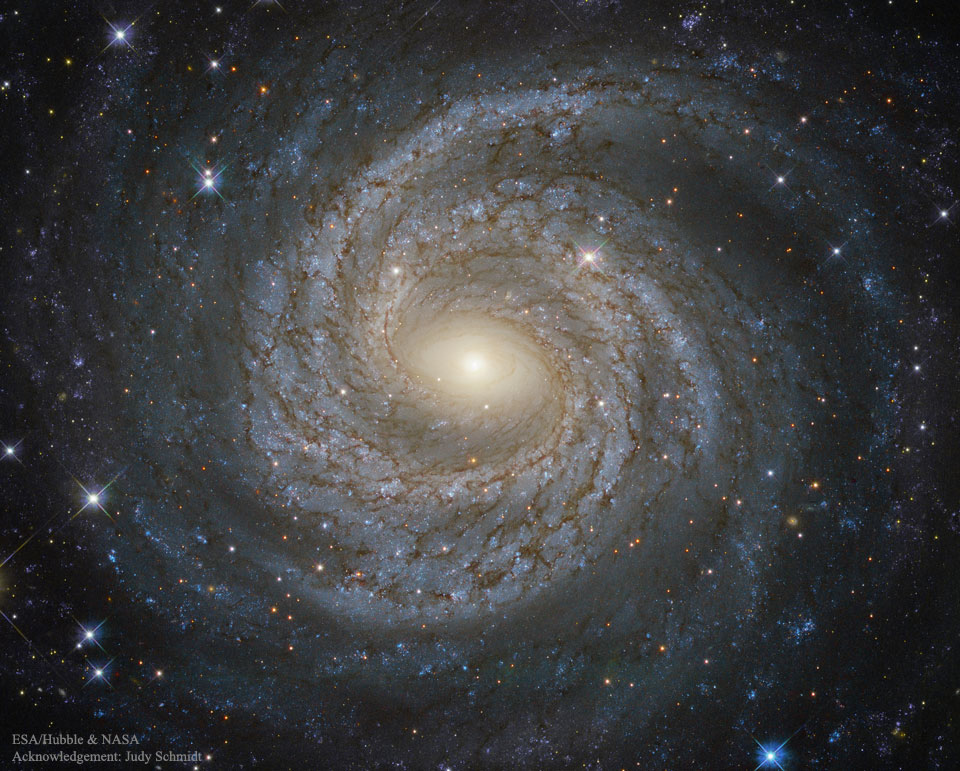
In the center of this serene stellar swirl is likely a harrowing black-hole beast. The surrounding swirl sweeps around billions of stars which are highlighted by the brightest and bluest. The breadth and beauty of the display give the swirl... Continue Reading →
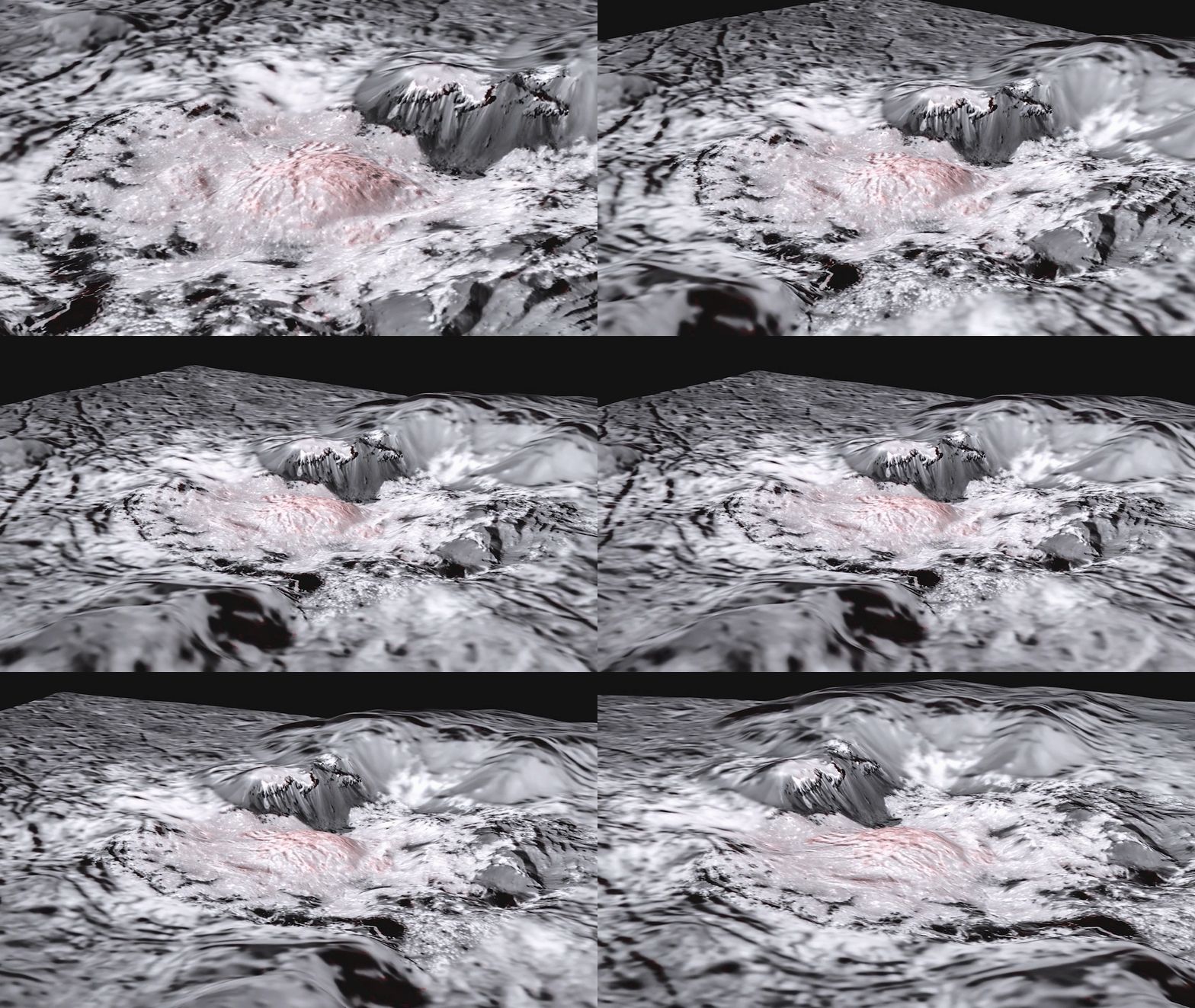
NASA's Dawn spacecraft gave scientists extraordinary close-up views of the dwarf planet Ceres, which lies in the main asteroid belt between Mars and Jupiter. By the time the mission ended in October 2018, the orbiter had dipped to less than... Continue Reading →

A large number of the valley networks scarring Mars's surface were carved by water melting beneath glacial ice, not by free-flowing rivers as previously thought, according to new UBC research published in Nature Geoscience. The findings effectively throw cold water on... Continue Reading →
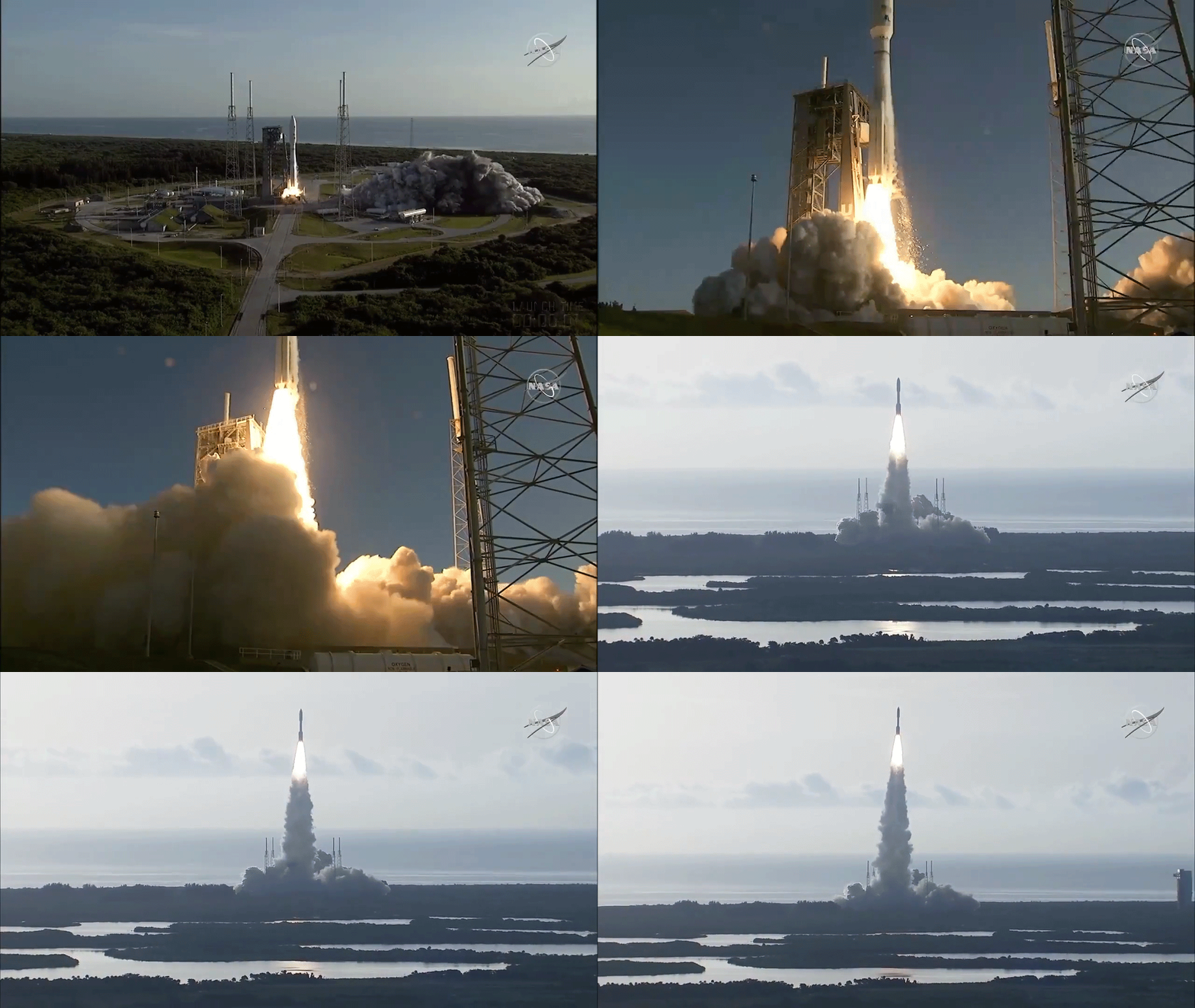
NASA's Mars 2020 Perseverance rover mission is on its way to the Red Planet to search for signs of ancient life and collect samples to send back to Earth. Humanity's most sophisticated rover launched with the Ingenuity Mars Helicopter at... Continue Reading →
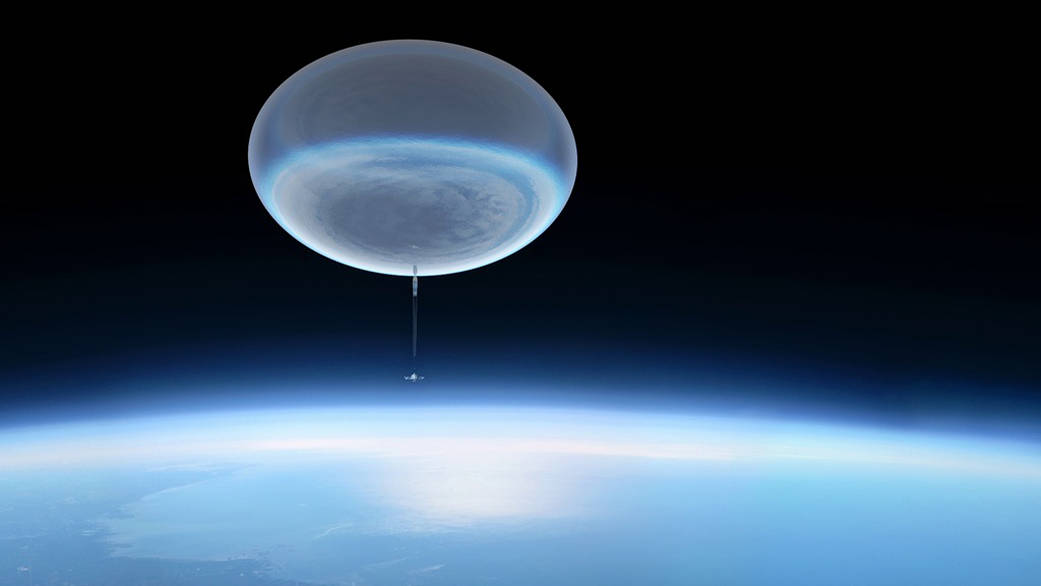
Carried by a balloon the size of a football stadium, ASTHROS will use a telescope to observe wavelengths of light that aren't visible from the ground. Work has begun on ASTHROS (short for Astrophysics Stratospheric Telescope for High Spectral Resolution Observations at Submillimeter-wavelengths), a new mission that... Continue Reading →

Psyche, the NASA mission to explore a metal-rock asteroid of the same name, recently passed a crucial milestone that brings it closer to its August 2022 launch date. Now the mission is moving from planning and designing to high-gear manufacturing... Continue Reading →

Life on Earth would not be possible without the Moon; it keeps our planet's axis of rotation stable, which controls seasons and regulates our climate. However, there has been considerable debate over how the Moon was formed. The popular hypothesis... Continue Reading →
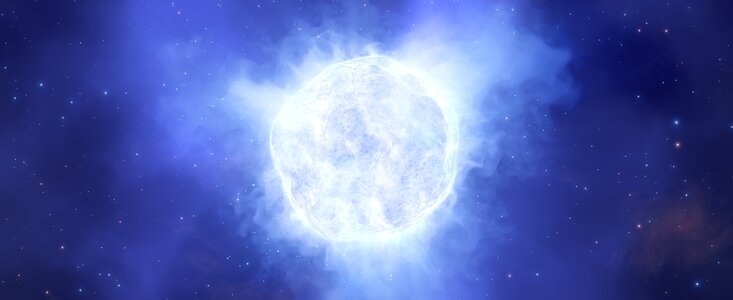
Using the European Southern Observatory's Very Large Telescope (VLT), astronomers have discovered the absence of an unstable massive star in a dwarf galaxy. Scientists think this could indicate that the star became less bright and partially obscured by dust. An... Continue Reading →
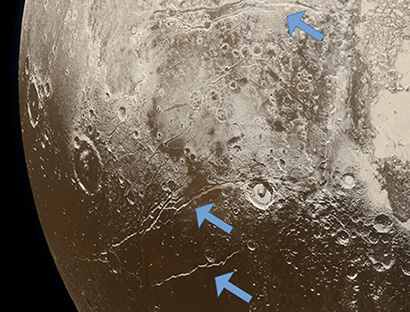
The accretion of new material during Pluto's formation may have generated enough heat to create a liquid ocean that has persisted beneath an icy crust to the present day, despite the dwarf planet's orbit far from the sun in the... Continue Reading →
 Scents of Science