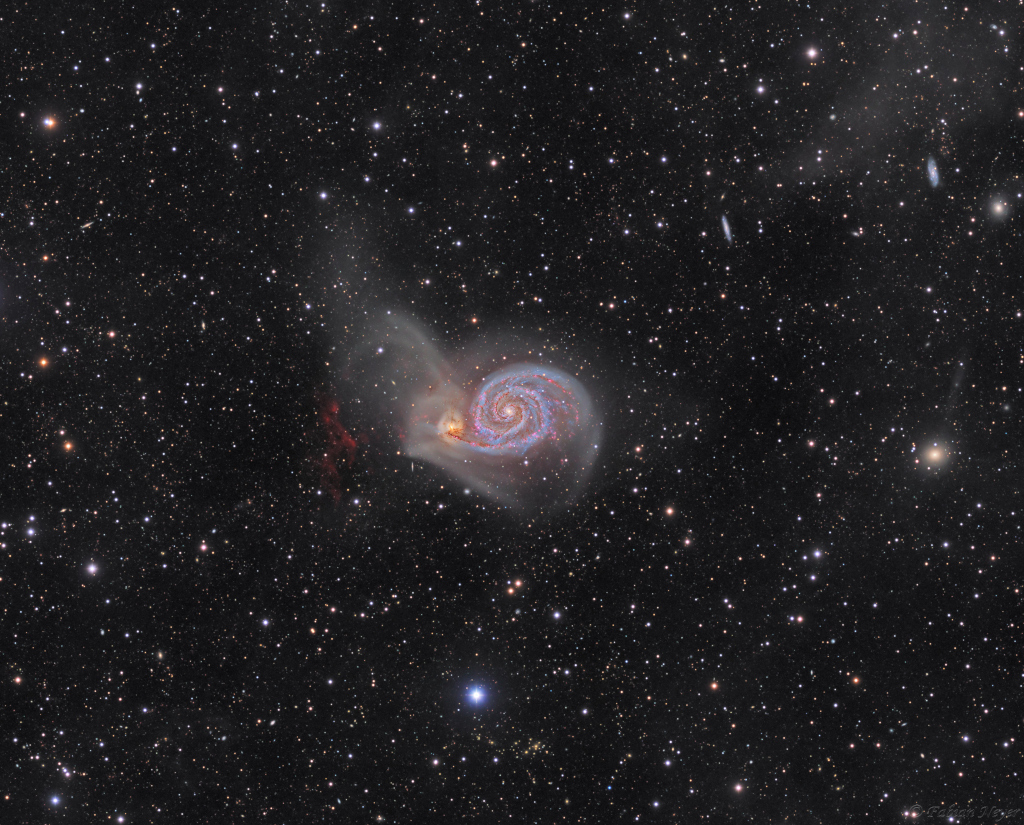
Find the Big Dipper and follow the handle away from the dipper's bowl until you get to the last bright star. Then, just slide your telescope a little south and west and you'll come upon this stunning pair of interacting galaxies, the 51st entry in... Continue Reading →
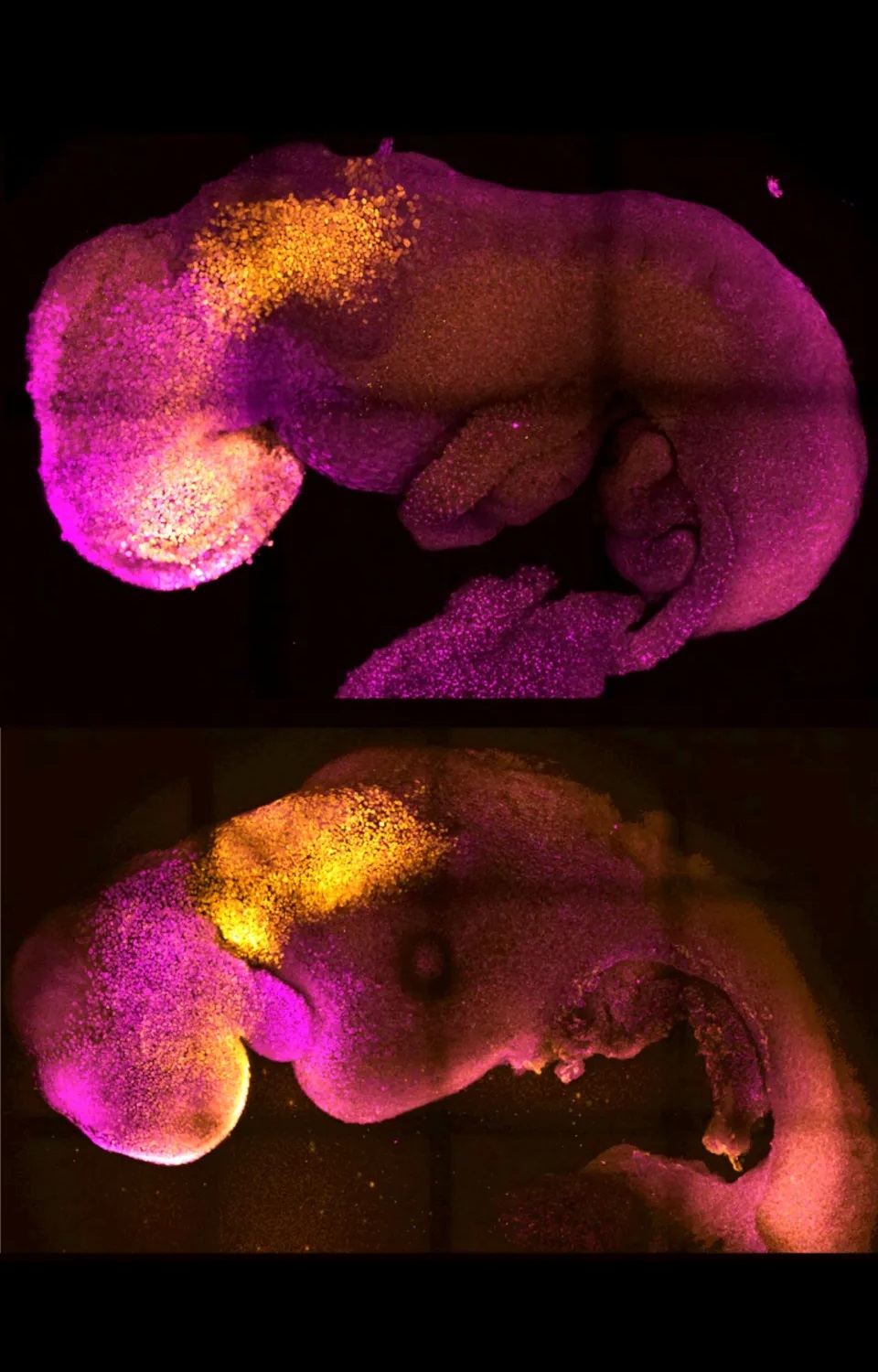
Researchers from the University of Cambridge and Caltech have created model mouse embryos from stem cells—the body's master cells, which can develop into almost any cell type in the body—that have beating hearts, as well as the foundations for a... Continue Reading →

Jumping spiders rapidly move their eyes and twitch during rest, suggesting they have visual dreams, never before observed in arachnids. An international team of researchers studied the retinal movements of baby jumping spiders as they slept and found they coincided... Continue Reading →

There may soon be a new weapon in our centuries-old battle against germs: the first durable coating that can quickly kill bacteria and viruses and keep on killing them for months at a time. Developed by a team of University... Continue Reading →

Artemis I, formerly Exploration Mission-1,will be the first integrated flight test of NASA’s Deep Space Exploration Systems: the Orion spacecraft, Space Launch System (SLS) rocket, with the newly upgraded Exploration Ground Systems at Kennedy Space Center in Cape Canaveral, Florida.... Continue Reading →

The famous Horsehead Nebula in Orion is not alone. A deep exposure shows that the dark familiar shaped indentation, visible just right of center, is part of a vast complex of absorbing dust and glowing gas. The featured spectacular picture details an intricate tapestry of gaseous wisps and dust-laden filaments that were... Continue Reading →
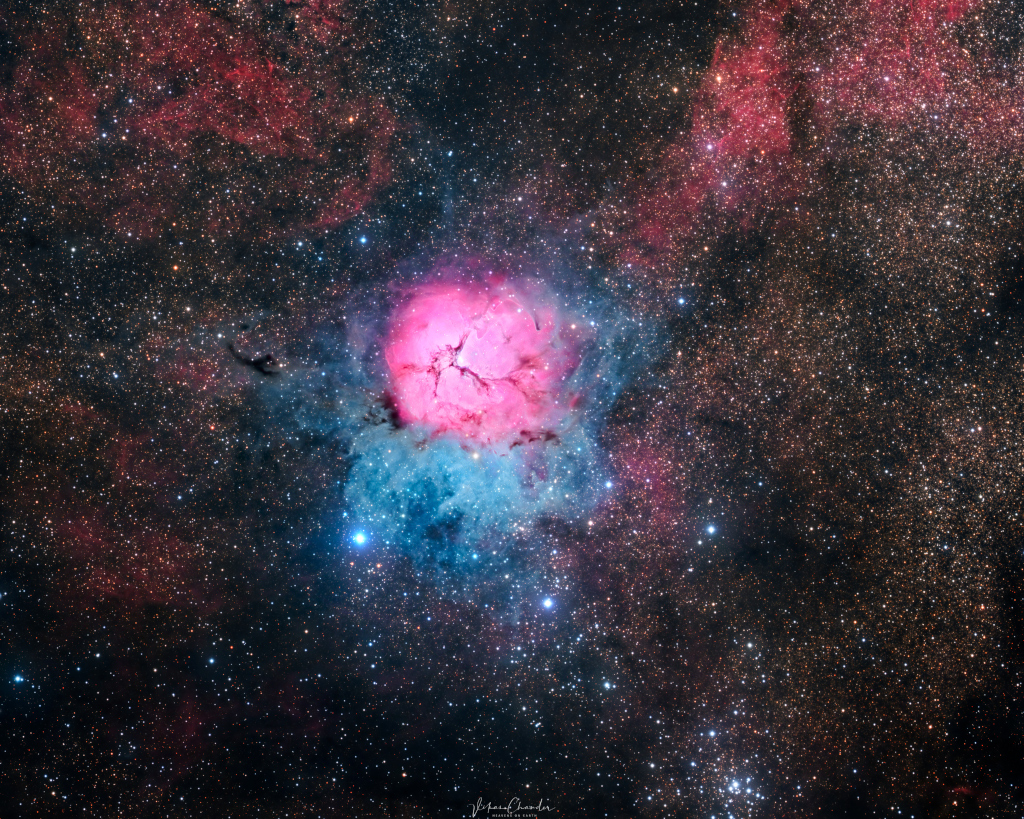
The beautiful Trifid Nebula is a cosmic study in contrasts. Also known as M20, it lies about 5,000 light-years away toward the nebula rich constellation Sagittarius. A star forming region in the plane of our galaxy, the Trifid does illustrate three different types of astronomical... Continue Reading →

By recreating the helical structure of heart muscles, researchers improve understanding of how the heart beats Heart disease — the leading cause of death in the U.S. — is so deadly in part because the heart, unlike other organs, cannot... Continue Reading →

With this creative astro-collaboration you can follow the plane of our Milky Way Galaxy as it bridges northern and southern hemisphere skies. To construct the expansive composite nightscape, skies over Observatorio El Sauce in Chile (top) were imaged on the same... Continue Reading →
 Scents of Science