
The Perseverance rover's Mastcam-Z captured images to create this mosaic on August 4, 2022. The car-sized robot was continuing its exploration of the fan-shaped delta of a river that, billions of years ago, flowed into Jezero Crater on Mars. Sedimentary rocks preserved... Continue Reading →

Strong alternating magnetic fields can be used to generate a new type of spin wave that was previously just theoretically predicted. This was achieved for the first time by a team of physicists from Martin Luther University Halle-Wittenberg (MLU). They... Continue Reading →
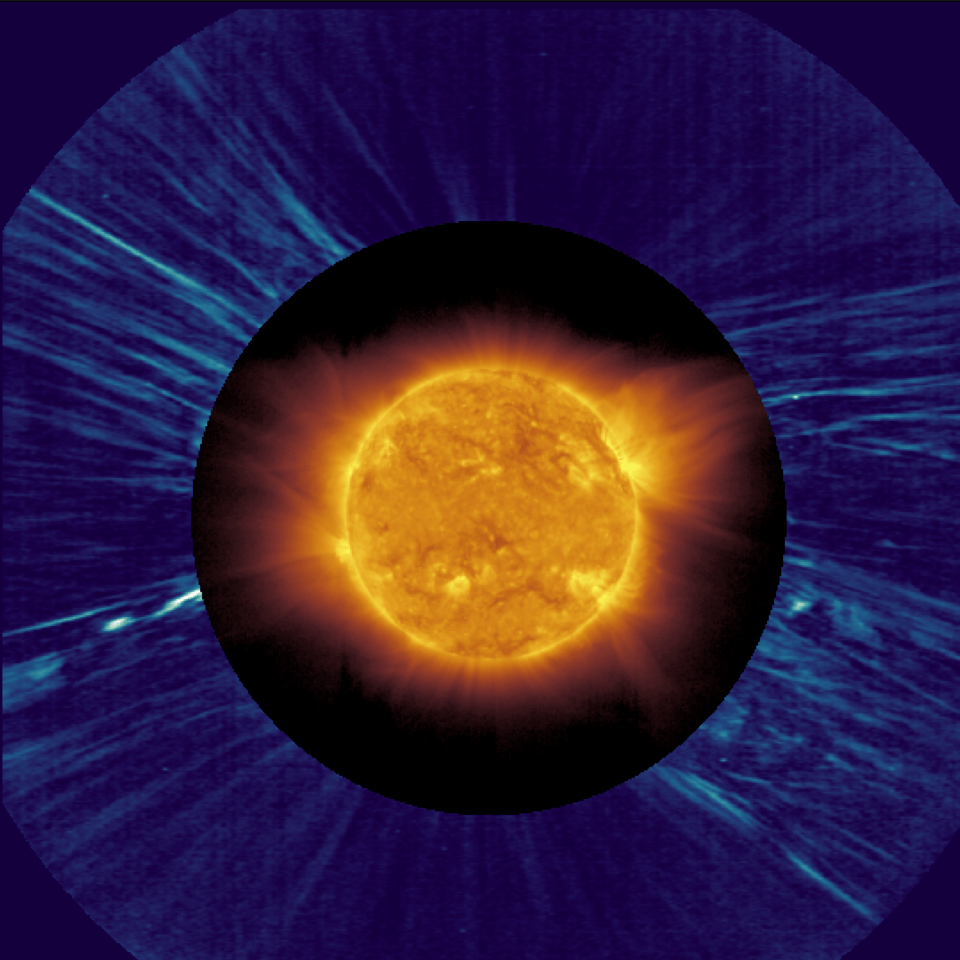
With data from its closest pass of the Sun yet, the ESA/NASA Solar Orbiter spacecraft has found compelling clues as to the origin of magnetic switchbacks, and points towards how their physical formation mechanism might help accelerate the solar wind.... Continue Reading →

Older people who were infected with COVID-19 show a substantially higher risk—as much as 50% to 80% higher than a control group—of developing Alzheimer’s disease within a year, according to a study of more than 6 million patients 65 and... Continue Reading →

Earlier this month, the Sun exhibited one of the longer filaments on record. Visible as the bright curving streak around the image center, the snaking filament's full extent was estimated to be over half of the Sun's radius -- more than... Continue Reading →

Be it magnets or superconductors: materials are known for their various properties. However, these properties may change spontaneously under extreme conditions. Researchers at the Technische Universität Dresden (TUD) and the Technische Universität München (TUM) have discovered an entirely new type... Continue Reading →

The axolotl (Ambystoma mexicanum) is an aquatic salamander renowned for its ability to regenerate its spinal cord, heart and limbs. These amphibians also readily make new neurons throughout their lives. In 1964, researchers observed that adult axolotls could regenerate parts of their brains, even if a... Continue Reading →
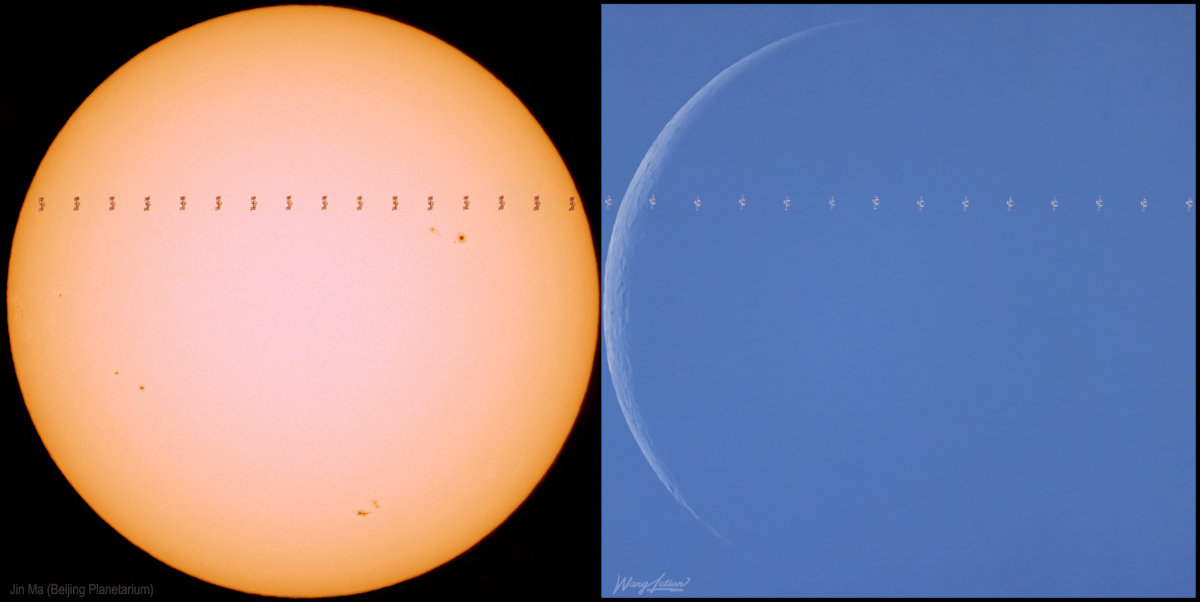
On August 25 Sun and Moon could both be seen in planet Earth's daytime skies. And so could the International Space Station. The ISS crossed the disk of the waning crescent Moon as seen from Shunyi district, Beijing, China at about... Continue Reading →
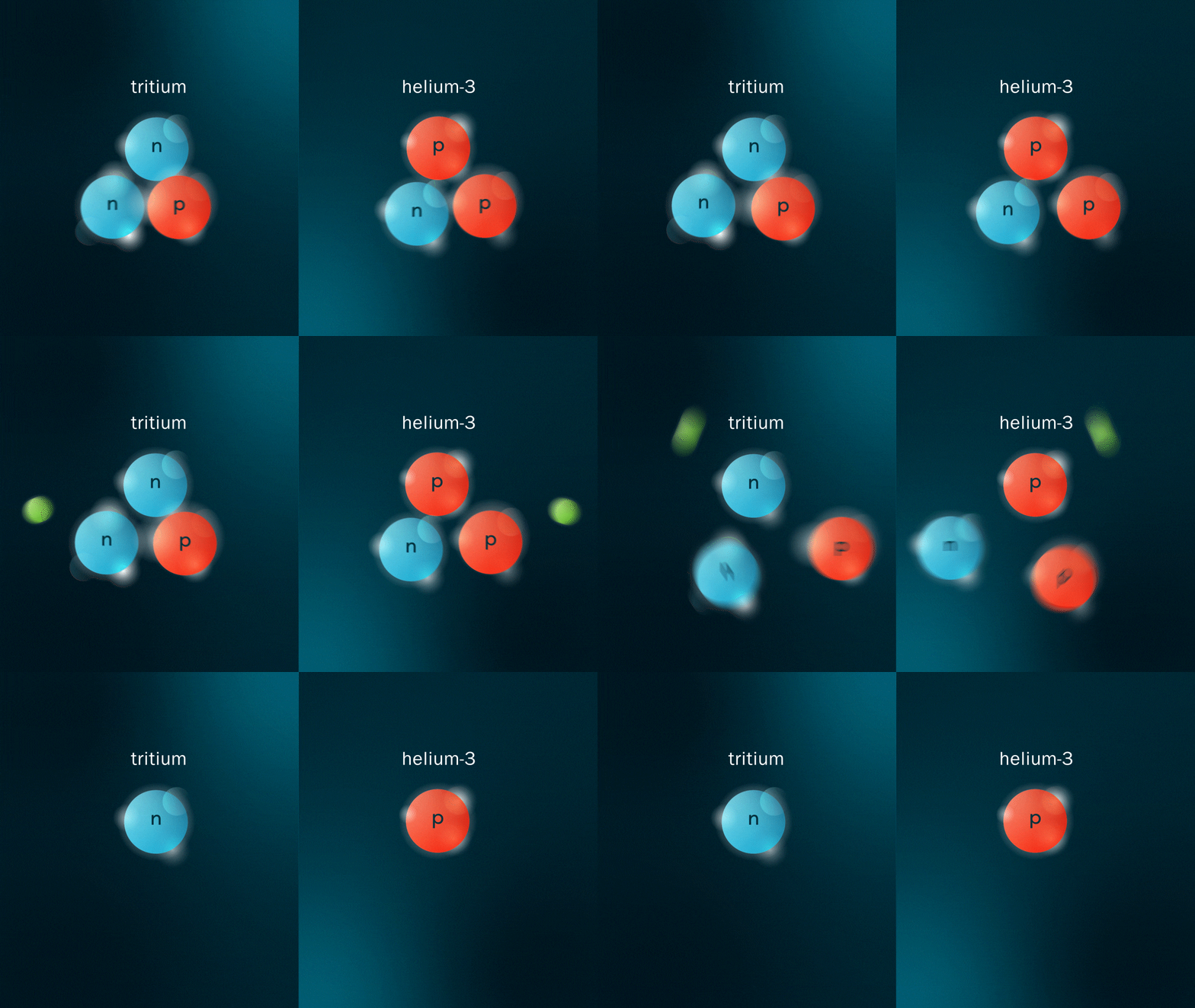
The atomic nucleus is a busy place. Its constituent protons and neutrons occasionally collide, and briefly fly apart with high momentum before snapping back together like the two ends of a stretched rubber band. Using a new technique, physicists studying these... Continue Reading →
 Scents of Science