
As if black holes weren't mysterious enough, astronomers using NASA's Hubble Space Telescope have found an unexpected thin disk of material furiously whirling around a supermassive black hole at the heart of the magnificent spiral galaxy NGC 3147, located 130... Continue Reading →
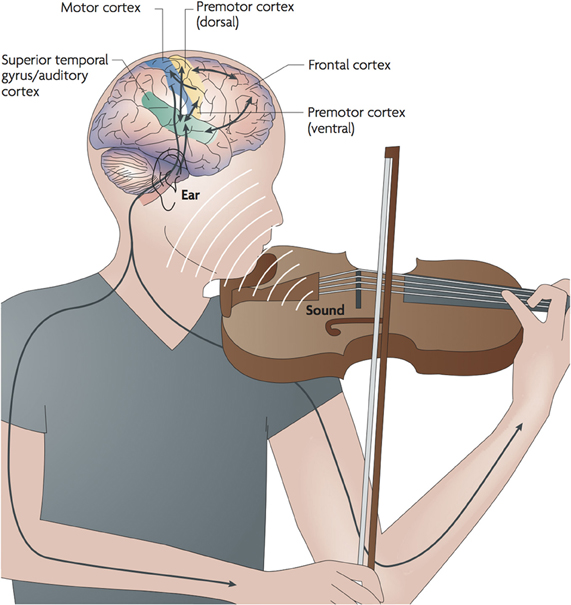
In the eternal search for understanding what makes us human, scientists found that our brains are more sensitive to pitch, the harmonic sounds we hear when listening to music, than our evolutionary relative the macaque monkey. The study, funded in... Continue Reading →

A study published by The BMJ reports a possible association between higher consumption of sugary drinks and and an increased risk of cancer. While cautious interpretation is needed, the findings add to a growing body of evidence indicating that limiting sugary... Continue Reading →
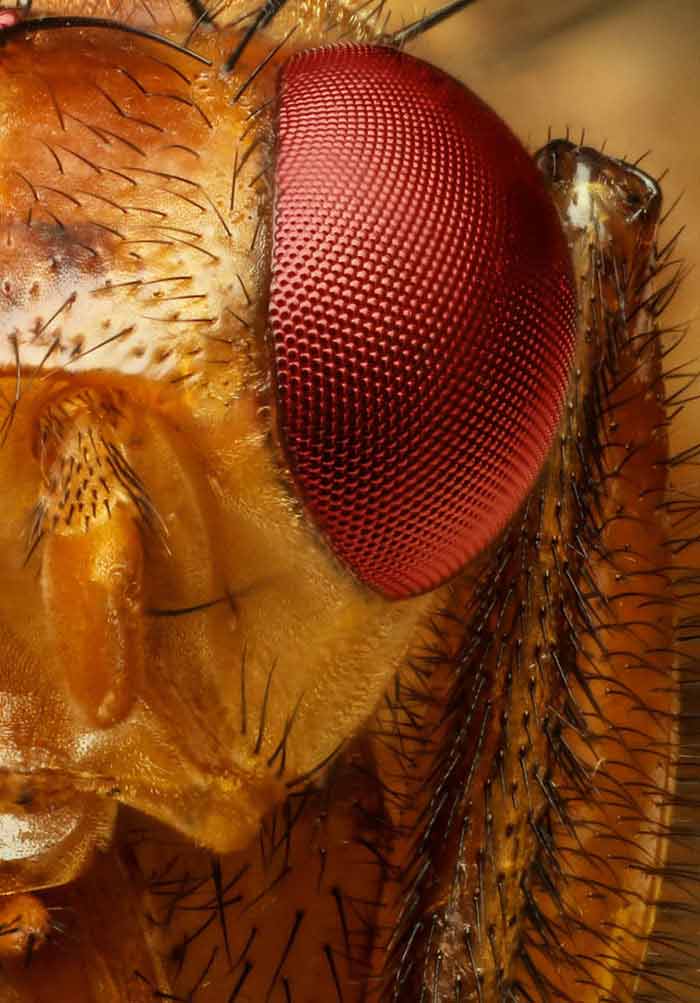
Scientists have known insects experience something like pain since 2003, but new research published today from Associate Professor Greg Neely and colleagues at the University of Sydney proves for the first time that insects also experience chronic pain that lasts... Continue Reading →

Within the next 80 years, the world's population is expected to top 11 billion, creating a rise in global food demand -- and presenting an unavoidable challenge to food production and distribution. But a new article published in Nature Sustainability describes how... Continue Reading →
Supercomputer simulations of galaxies have shown that Einstein's theory of General Relativity might not be the only way to explain how gravity works or how galaxies form. Physicists at Durham University, UK, simulated the cosmos using an alternative model for... Continue Reading →

UNC School of Medicine scientists unveiled how a particular gene helps organize the scaffolding of brain cells called radial progenitors necessary for the orderly formation of the brain. Previous studies have shown that this gene is mutated in some people... Continue Reading →
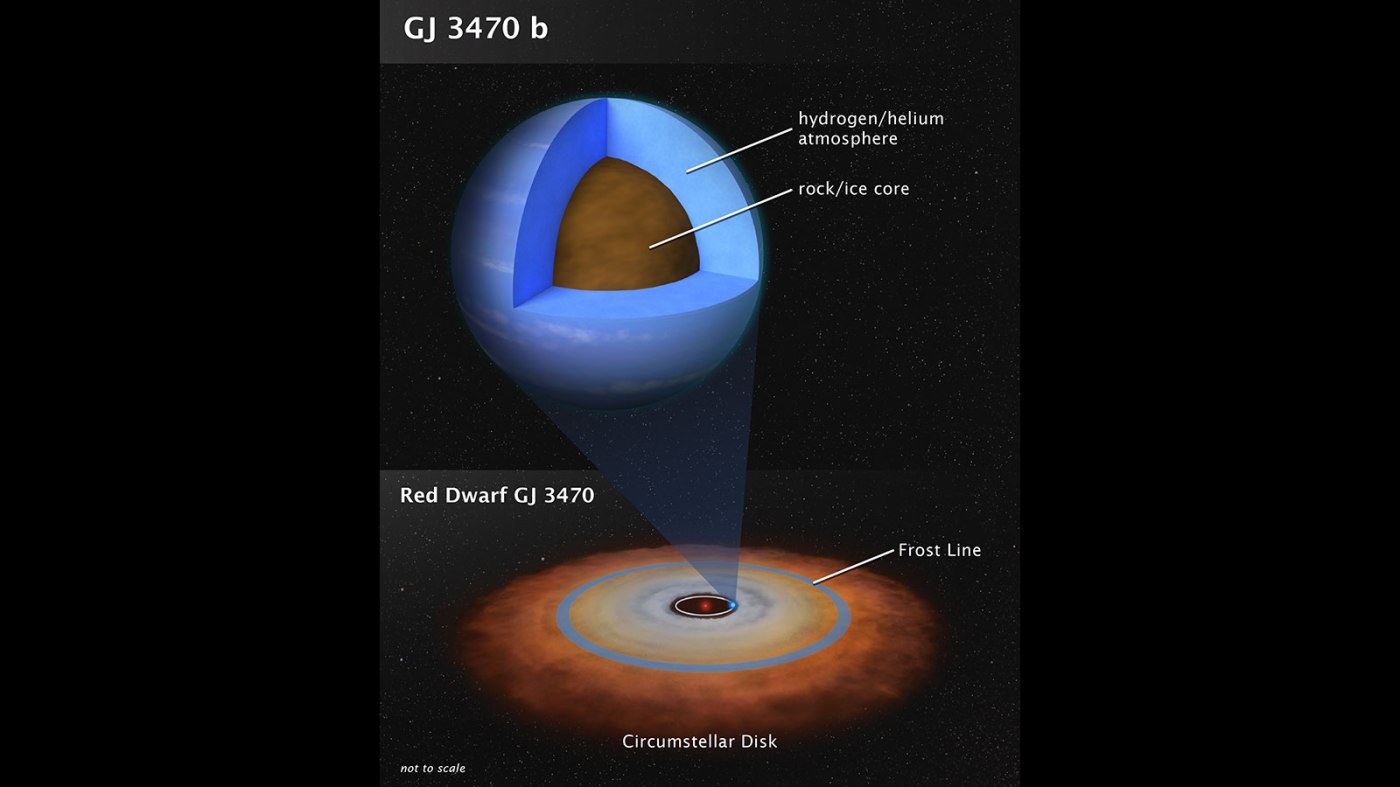
Two NASA space telescopes have teamed up to identify, for the first time, the detailed chemical "fingerprint" of a planet between the sizes of Earth and Neptune. No planets like this can be found in our own solar system, but... Continue Reading →
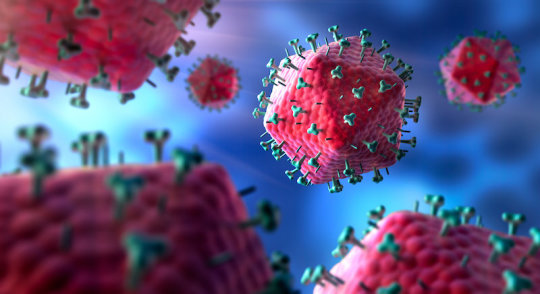
In a major collaborative effort, researchers at the Lewis Katz School of Medicine at Temple University and the University of Nebraska Medical Center (UNMC) have for the first time eliminated replication-competent HIV-1 DNA -- the virus responsible for AIDS --... Continue Reading →
 Scents of Science