
University of Calgary researchers are the first to discover a previously unidentified cell population in the pericardial fluid found inside the sac around the heart. The discovery could lead to new treatments for patients with injured hearts. The study led... Continue Reading →

What could create such a large circular shadow on the Moon? The Earth. Last week's full Moon -- the Buck Moon -- was so full that it fell almost exactly in a line with the Sun and the Earth. When that happens the Earth casts its shadow onto... Continue Reading →
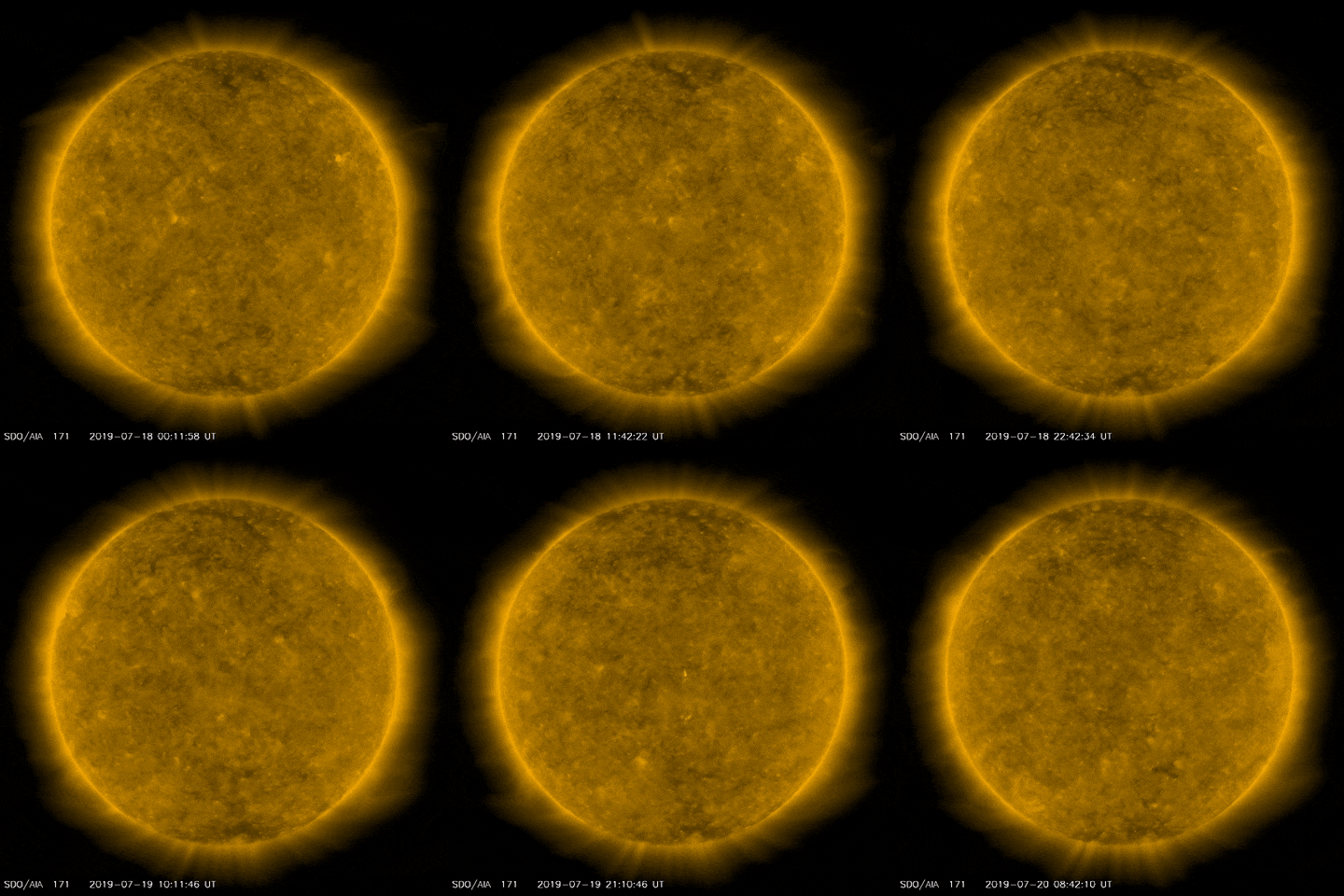
The solar cycle is a rhythmic waxing and waning of the number of sunspots on the Sun. There are about 11 years between the times when the sunspot number is the greatest. We now know that the solar cycle is... Continue Reading →

A gene therapy can turn certain brain glial cells into functioning neurons, which in turn could help repair the brain after a stroke or during neurological disorders like Alzheimer’s or Parkinson’s diseases. In a series of studies in animals, a... Continue Reading →

Like the International Space Station, the Gateway will be a permanent and changeable human outpost. Instead of circling our planet however, it will orbit the Moon, acting as a base for astronauts and robots exploring the lunar surface. The Gateway concept Like... Continue Reading →
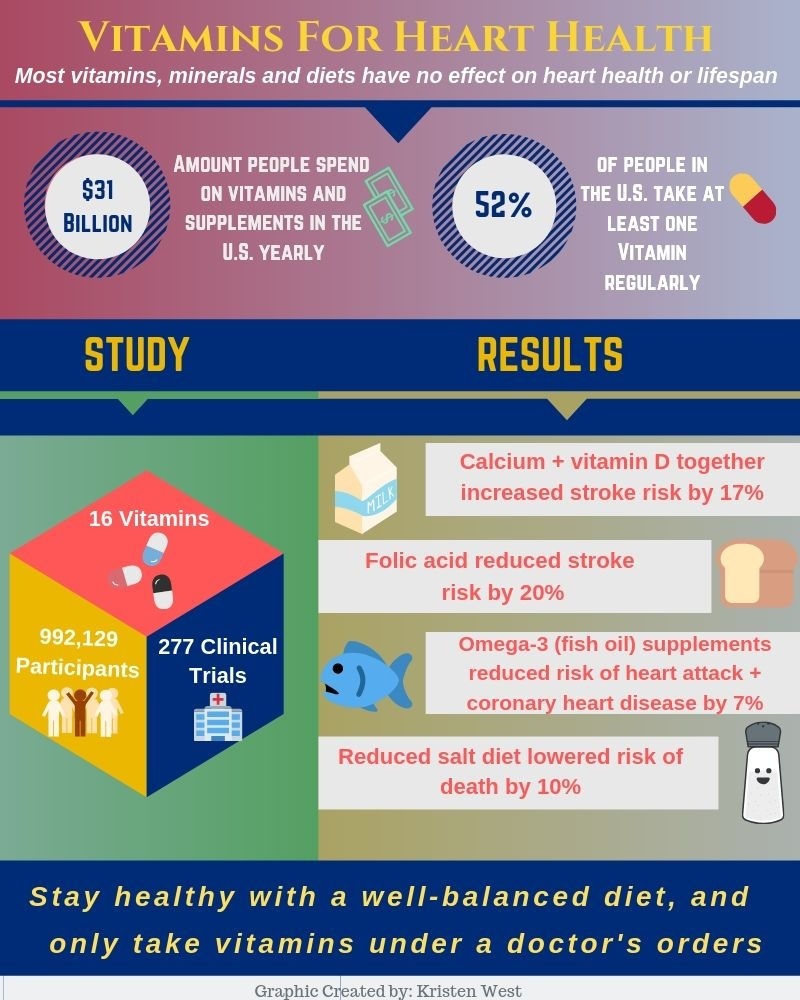
In a massive new analysis of findings from 277 clinical trials using 24 different interventions, Johns Hopkins Medicine researchers say they have found that almost all vitamin, mineral and other nutrient supplements or diets cannot be linked to longer life... Continue Reading →
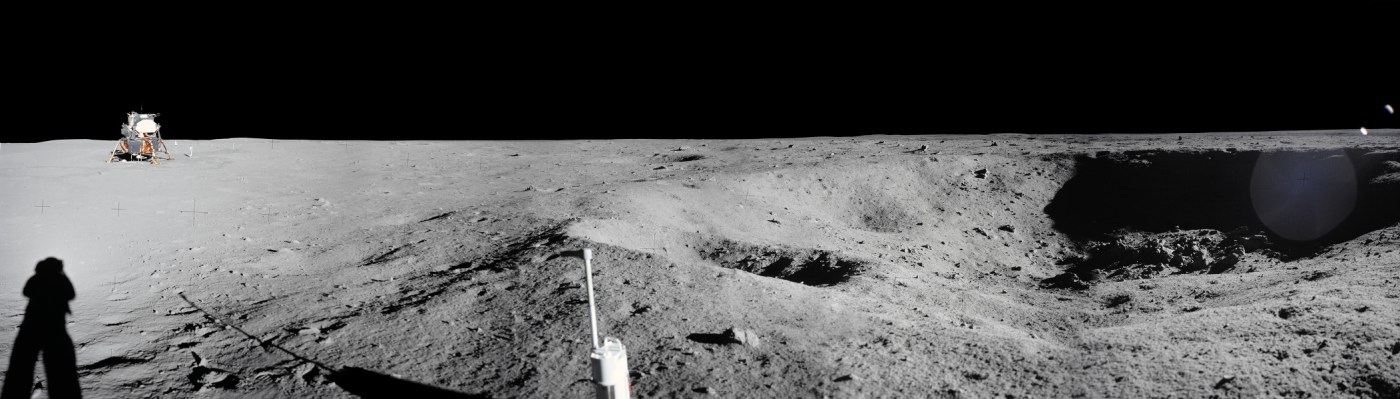
On July 20, 1969 the Apollo 11 lunar module Eagle safely touched down on the Moon. It landed near the southwestern corner of the Moon's Mare Tranquillitatis at a landing site dubbed Tranquility Base. This panoramic view of Tranquility Base was constructed from the historic photos... Continue Reading →

A molecular "trick" that kept our ancient ancestors from starving may now be contributing to the obesity epidemic, a new study finds. In starvation times, researchers say, animals were more likely to survive if they could hoard and stretch out... Continue Reading →

Low doses of radiation equivalent to three CT scans, which are considered safe, give cancer-capable cells a competitive advantage over normal cells in healthy tissue, scientists have discovered. Researchers at the Wellcome Sanger Institute and the University of Cambridge studied... Continue Reading →
 Scents of Science