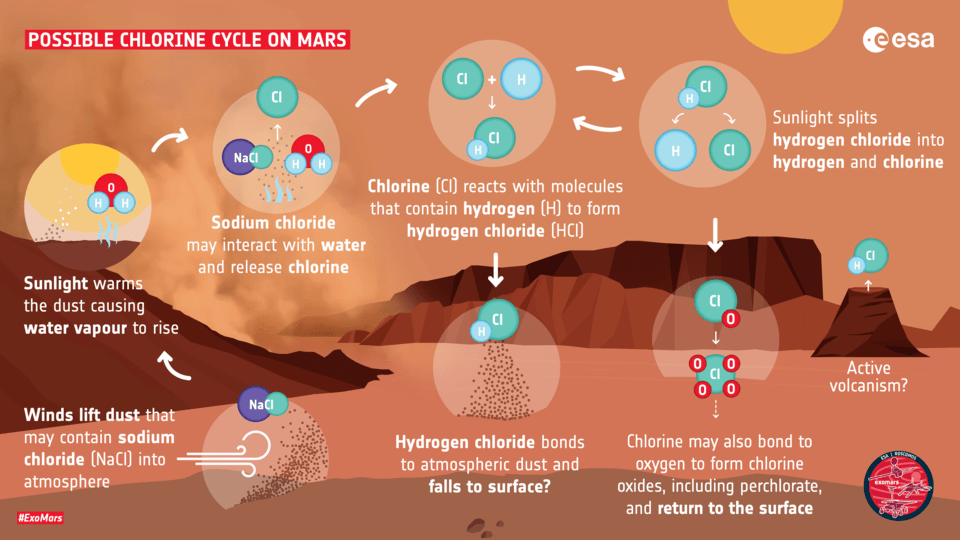
Sea salt embedded in the dusty surface of Mars and lofted into the planet’s atmosphere has led to the discovery of hydrogen chloride – the first time the ESA-Roscosmos ExoMars Trace Gas Orbiter has detected a new gas. The spacecraft... Continue Reading →

Astronomers may have found our galaxy’s first example of an unusual kind of stellar explosion. This discovery, made with NASA’s Chandra X-ray Observatory, adds to the understanding of how some stars shatter and seed the universe with elements critical for... Continue Reading →

A bright foreground star isn’t enough to distract from the grandeur of the galaxy UGC 3885, captured here by the NASA/ESA Hubble Space Telescope. While this foreground star is incredibly bright to Hubble’s eye, it does not outshine the details... Continue Reading →
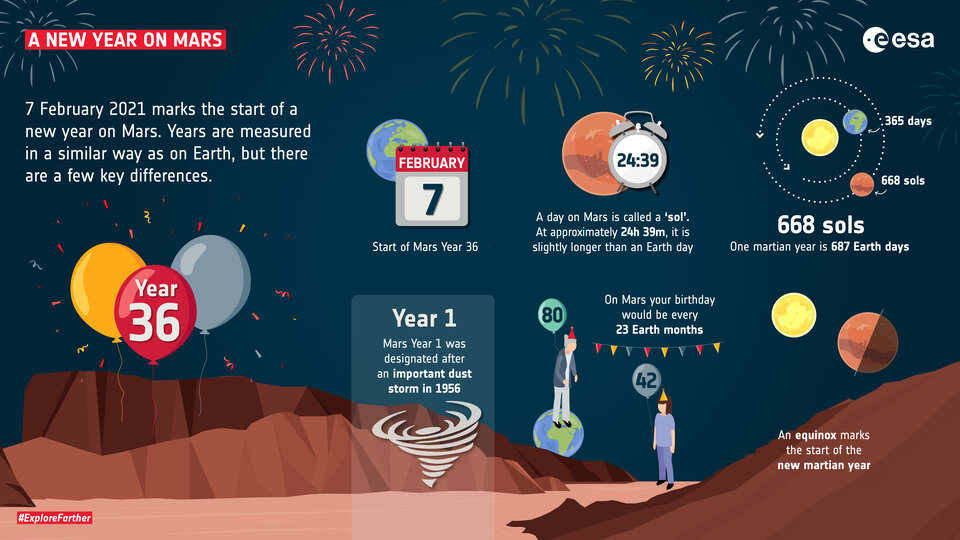
Five, four, three, two, one…. FIREWORKS! The countdown to a new year is in many ways a defining moment for our lives on Earth. Our age, our seasons, filing our taxes… – all depend on the duration of Earth’s orbit... Continue Reading →

In a recurring pattern of evolution, SARS-CoV-2 evades immune responses by selectively deleting small bits of its genetic sequence, according to new research from the University of Pittsburgh School of Medicine. Since these deletions happen in a part of the... Continue Reading →
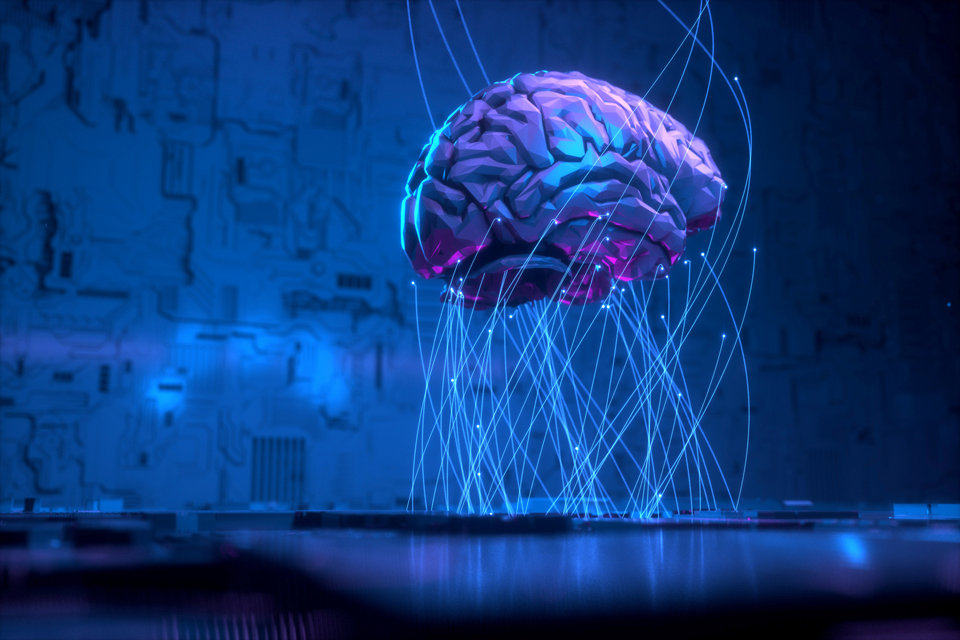
You might remember you ate cereal for breakfast but forget the color of the bowl. Or recall watching your partner put the milk away but can't remember on which shelf. A new Northwestern Medicine study improved memory of complex, realistic... Continue Reading →
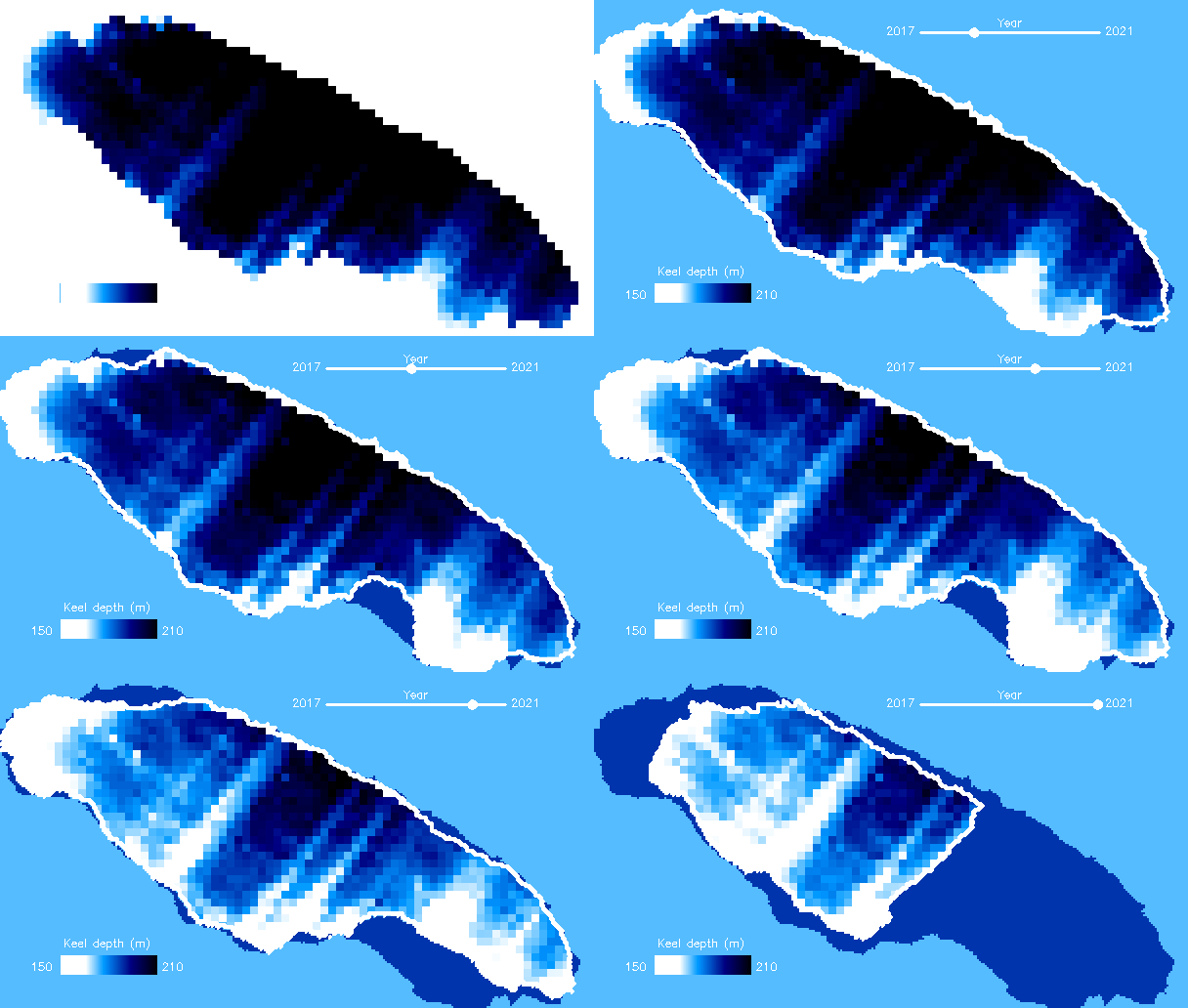
Latest images reveal that the A-68A iceberg has shattered into multiple pieces, with two large fragments of ice breaking off from the main berg and floating away in the open ocean. Scientists using satellite data have not only been monitoring... Continue Reading →

Hubble Space Telescope’s iconic images and scientific breakthroughs have redefined our view of the Universe. To commemorate three decades of scientific discoveries, this image is one of the most photogenic examples of the many turbulent stellar nurseries the telescope has... Continue Reading →
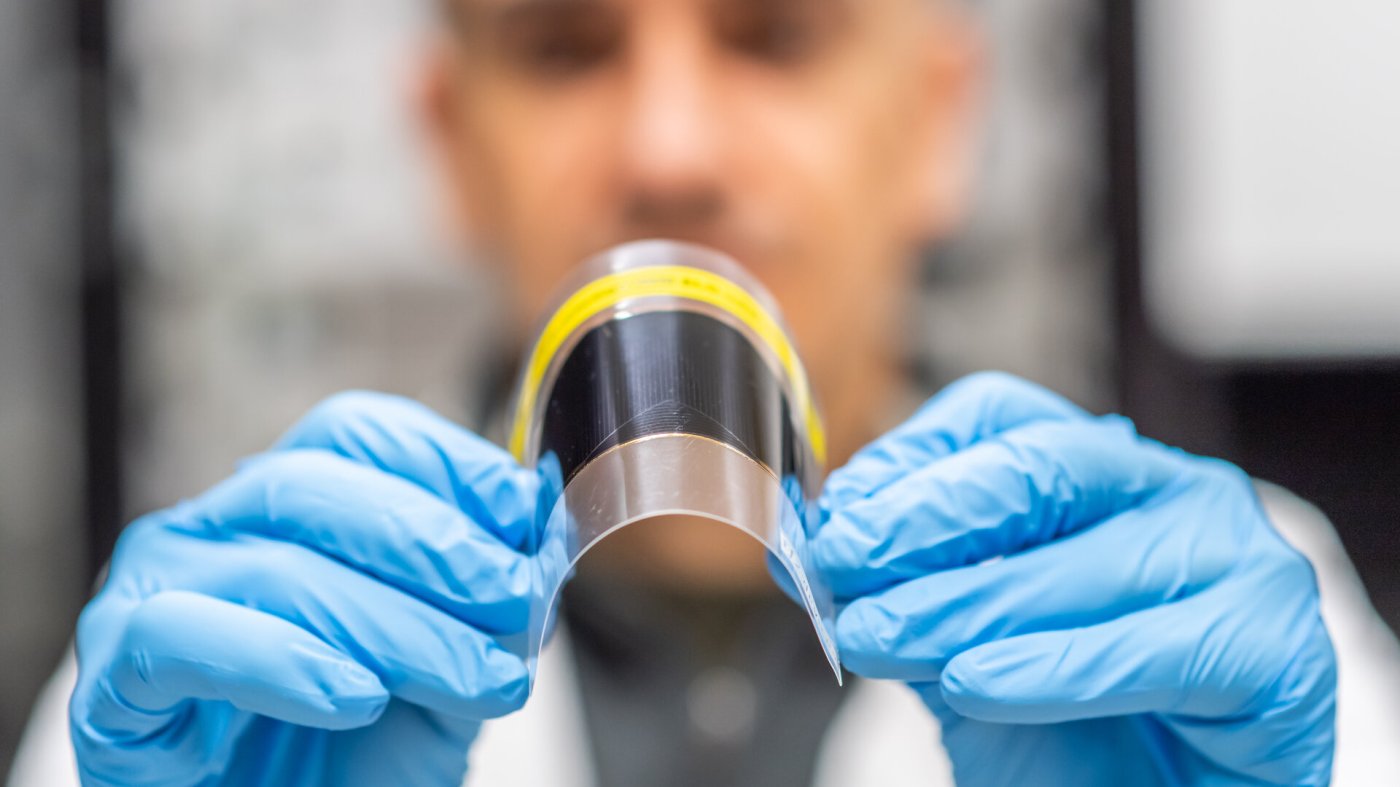
ESA has backed the creation of this flexible, ultra-thin solar cell to deliver the best power to mass ratio for space missions. Just about 0.02 mm thick – thinner than a human hair – the prototype solar cells were developed... Continue Reading →
 Scents of Science