
An estimated 50 to 70 million Americans have some type of sleep disorder, according to the National Sleep Foundation. Some turn to melatonin supplements to help them fall asleep. Melatonin is a hormone known to promote sleep, but its underlying... Continue Reading →

Parts of the brain not traditionally associated with learning science become active when people are confronted with solving physics problems, a new study shows. The researchers, led by Eric Brewe, PhD, an associate professor in Drexel University’s College of Arts... Continue Reading →
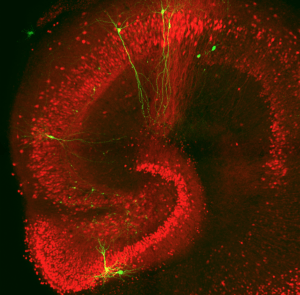
The brain has an incredible capacity to support a lifetime of learning and memory. Each new experience fundamentally alters the connections between cells in the brain called synapses. To accommodate synaptic alterations, certain areas of the brain are highly plastic,... Continue Reading →

Psychologists at the University of Sussex have found a link between depression and an acceleration of the rate at which the brain ages. Although scientists have previously reported that people with depression or anxiety have an increased risk of dementia... Continue Reading →
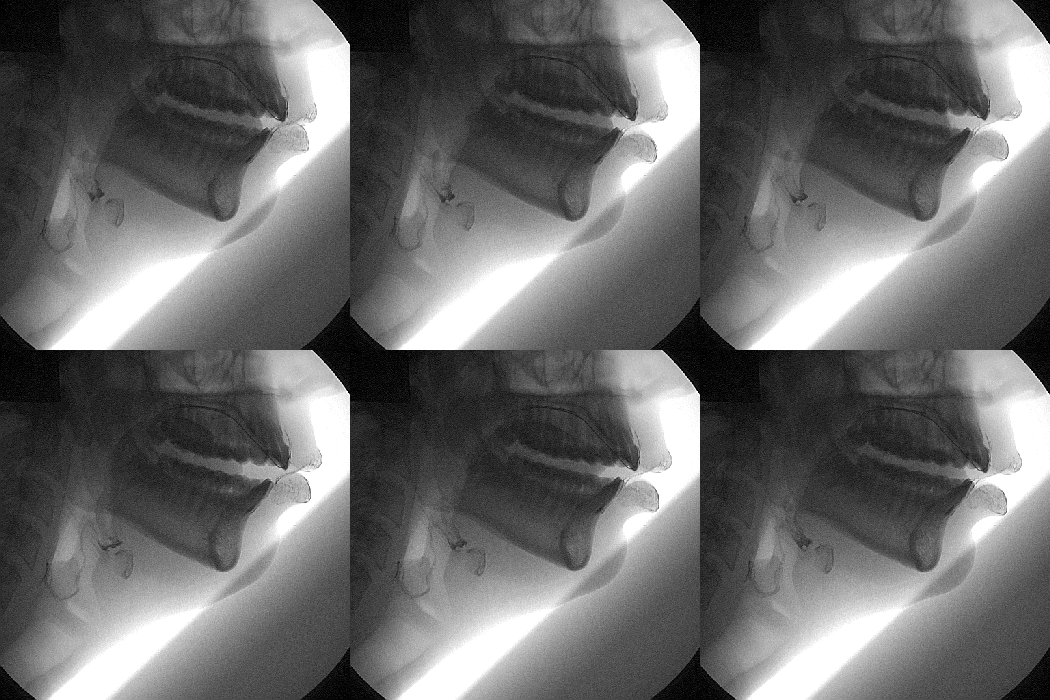
When we speak, we unconsciously pronounce some words more slowly than others, and sometimes we make brief pauses or throw in meaningless sounds like “uhm”. Such slow-down effects provide key evidence on how our brains process language. They point to... Continue Reading →
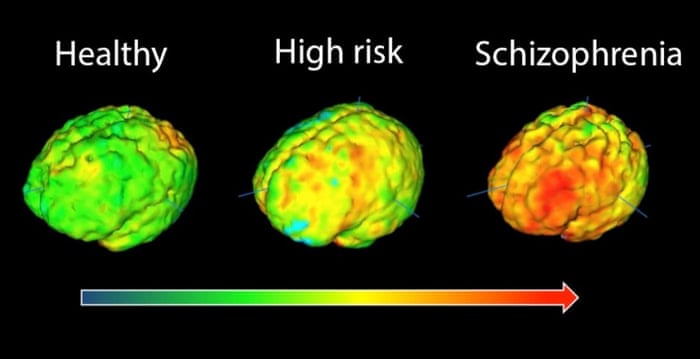
Scientists at Karolinska Institutet in Sweden and University of North Carolina, USA, have identified the cell types underlying schizophrenia in a new study published in Nature Genetics. The findings offer a roadmap for the development of new therapies to target... Continue Reading →

Face-likeness recognition is the act of recognizing a non-face object as a human face. This phenomenon is called “pareidolia,” and refers to “perceiving an inherently meaningless object such as a pattern, landscape or object as another object with meaning.” Many... Continue Reading →

In a letter to the New England Journal of Medicine, a Massachusetts General Hospital (MGH) research team reports a remarkable treatment response in a patient participating in a clinical trial of a novel immune-system-based cancer therapy. Treatment with an investigational... Continue Reading →
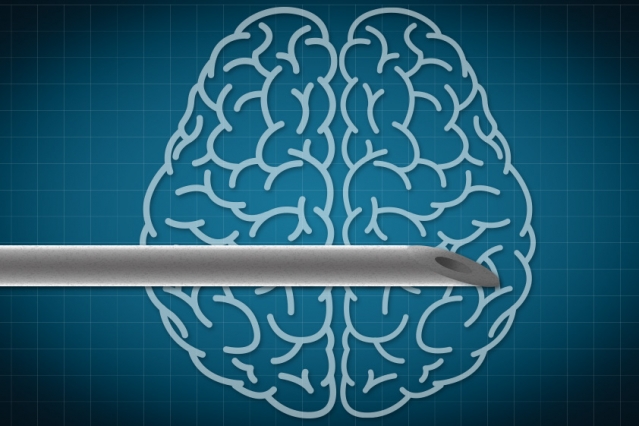
Many diseases, including Parkinson’s disease, can be treated with electrical stimulation from an electrode implanted in the brain. However, the electrodes can produce scarring, which diminishes their effectiveness and can necessitate additional surgeries to replace them. MIT researchers have now... Continue Reading →
 Scents of Science