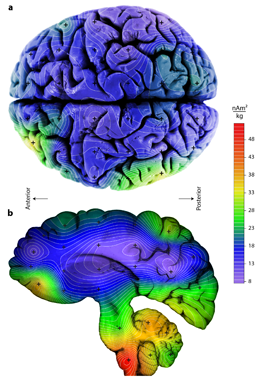
Many living organisms, such as migratory birds, are thought to possess a magnetotactic sense, which enables them to respond to the Earth’s magnetic field. Whether or not humans are capable of sensing magnetism is the subject of debate. However, several... Continue Reading →
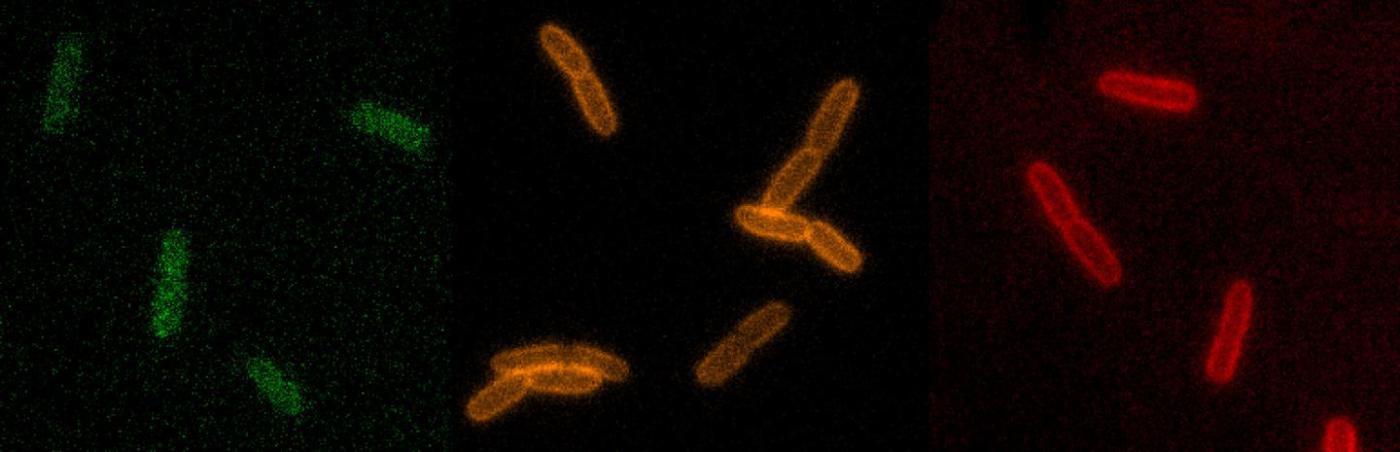
Indiana University researchers are advancing knowledge about how bacteria build their cell walls that could contribute to the search for new antibacterial drugs. They have created a new tool to observe living cells in real time under a microscope. "If... Continue Reading →

Studies of health effects of alcohol consumption may underestimate the risks of imbibing, particularly for younger people, according to a new study in the Journal of Studies on Alcohol and Drugs. The research demonstrates that although cohort studies--the type of observational... Continue Reading →
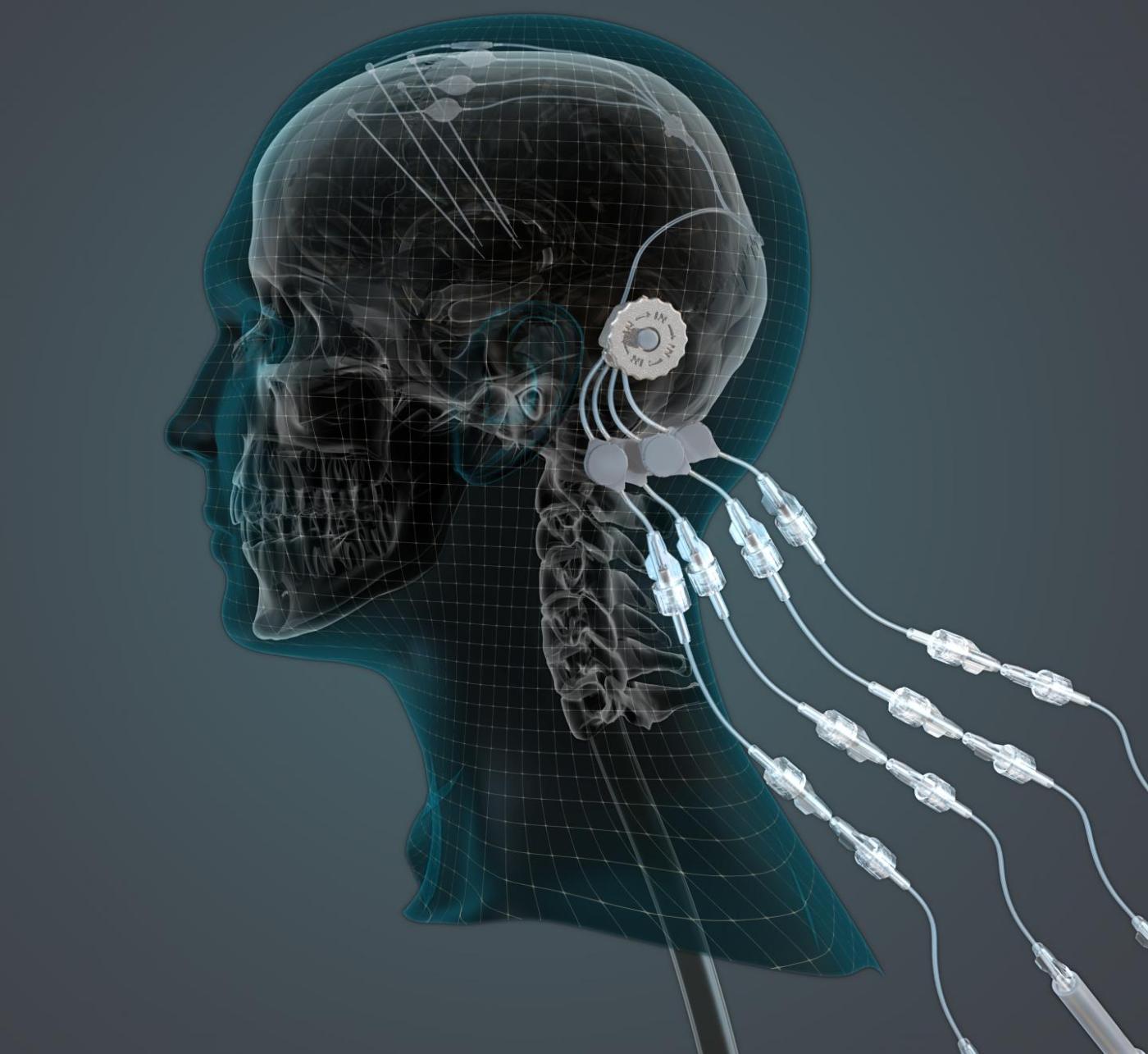
Results from a pioneering clinical trials programme that delivered an experimental treatment directly to the brain offer hope that it may be possible to restore the cells damaged in Parkinson's. The multimillion-pound study, funded by Parkinson's UK with support from... Continue Reading →

The popular view that music enhances creativity has been challenged by researchers who say it has the opposite effect. Psychologists from the University of Central Lancashire, University of Gävle in Sweden and Lancaster University investigated the impact of background music... Continue Reading →
A Mount Sinai study, published in the journal Nature Neuroscience, provides important insight into how microglia, cells that form a branch of the immune system inside the brain, go about their job of clearing out dying and non-functional neurons – and... Continue Reading →

Long-term use of either cannabis or cannabis-based drugs impairs memory say researchers. The study has implications for both recreational users and people who use the drug to combat epilepsy, multiple sclerosis and chronic pain. They found that mice exposed to the drug... Continue Reading →

A growing collection of anecdotal stories raises the possibility that nerve injury in an arm or a leg can act as a trigger for the development amyotrophic lateral sclerosis, or ALS -- a progressive neurodegenerative disease also known as Lou... Continue Reading →

Athletes know a vigorous workout can release a flood of endorphins: "feel-good" hormones that boost mood. Now there's evidence that exercise produces another hormone that may improve memory and protect against Alzheimer's disease, according to a study co-led by Ottavio... Continue Reading →
 Scents of Science