
A new study led by the University of Hawai'i (UH) at Mānoa has helped refine understanding of the amount of hydrogen, helium and other elements present in violent outbursts from the Sun, and other types of solar "wind," a stream... Continue Reading →

Biologically important changes in DNA seen in smokers are also being found in people who vape, according to a new study published in the journal Epigenetics. A team of scientists at the Keck School of Medicine of USC have found people... Continue Reading →
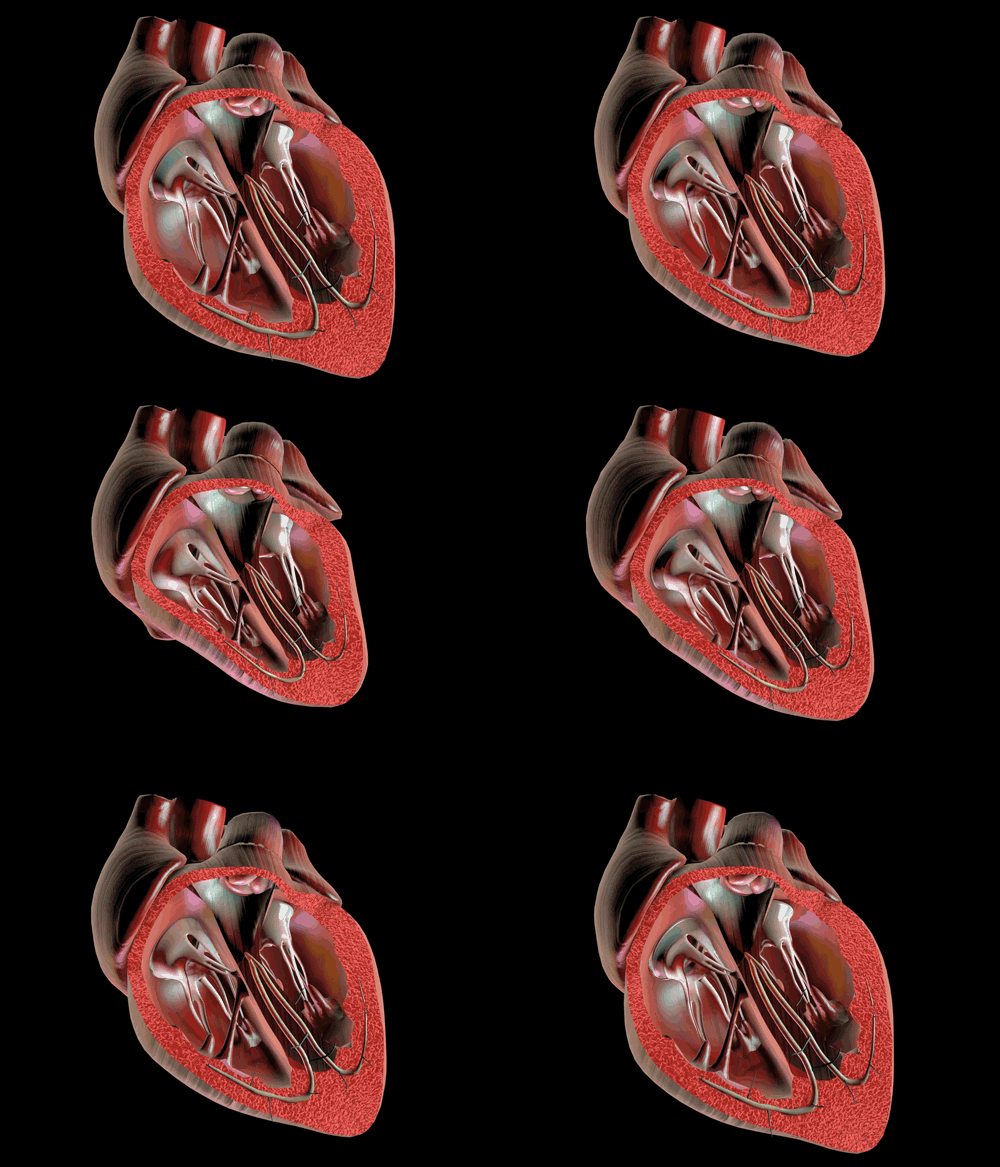
A person's normal resting heart rate is fairly consistent over time, but may vary from others' by up to 70 beats per minute, according to analysis of the largest dataset of daily resting heart rate ever collected. Giorgio Quer of... Continue Reading →

After a controversial study last fall recommending that it was not necessary for people to change their diet in terms of red meat and processed meat, a large, carefully analyzed new study links red and processed meat consumption with slightly... Continue Reading →

Michigan State University and Stanford University scientists have invented a nanoparticle that eats away -- from the inside out -- portions of plaques that cause heart attacks. Bryan Smith, associate professor of biomedical engineering at MSU, and a team of... Continue Reading →

Writing in the journal Stem Cells Translational Medicine, an international research team, led by physician-scientists at University of California San Diego School of Medicine, describe a new method for delivering neural precursor cells (NSCs) to spinal cord injuries in rats, reducing... Continue Reading →

A ketogenic diet -- which provides 99% of calories from fat and only 1% from carbohydrates -- produces health benefits in the short term, but negative effects after about a week, Yale researchers found in a study of mice. The... Continue Reading →
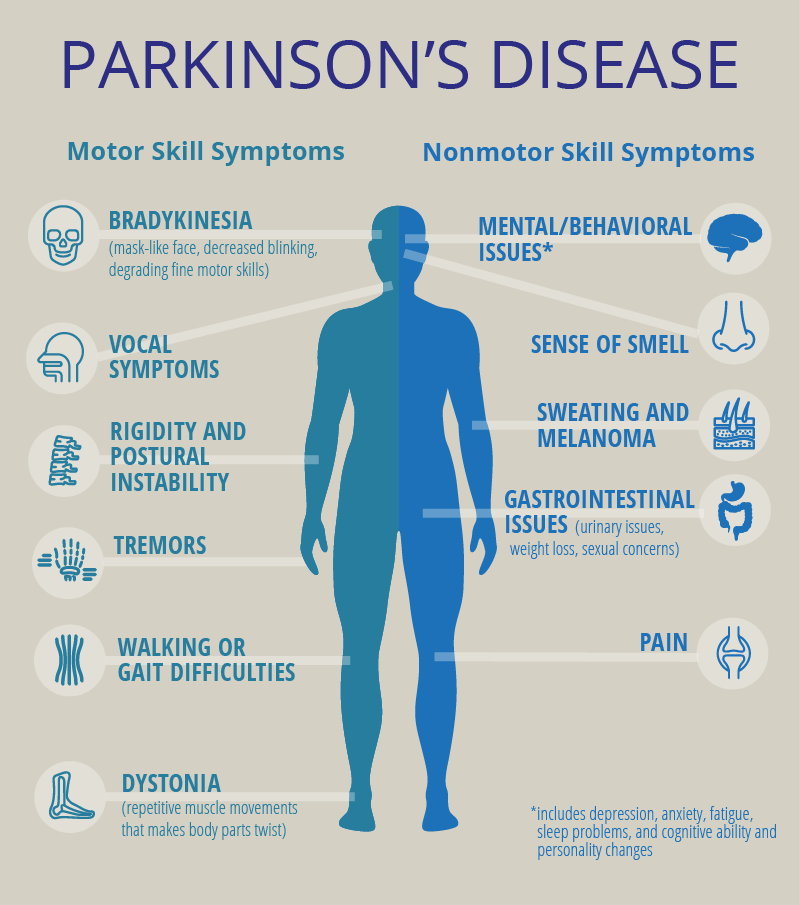
People who develop Parkinson's disease before age 50 may have been born with disordered brain cells that went undetected for decades, according to new Cedars-Sinai research. The research points to a drug that potentially might help correct these disease processes.... Continue Reading →

Drugs for diabetes, inflammation, alcoholism -- and even for treating arthritis in dogs -- can also kill cancer cells in the lab, according to a study by scientists at the Broad Institute of MIT and Harvard and Dana-Farber Cancer Institute.... Continue Reading →
 Scents of Science