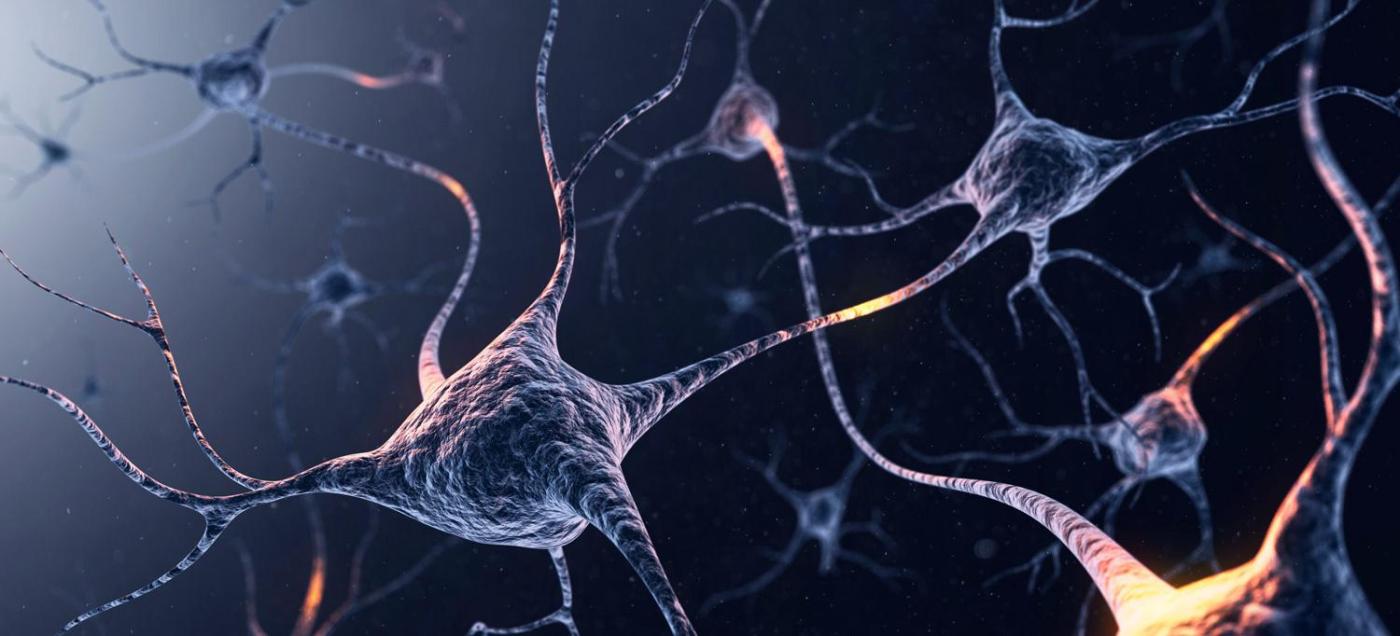
Scientists have further decoded how mammalian brains perceive odors and distinguish one smell from thousands of others. In experiments in mice, NYU Grossman School of Medicine researchers have for the first time created an electrical signature that is perceived as... Continue Reading →

In times of unexpected uncertainty, such as the sudden appearance of a global pandemic, people may be more prone to paranoia, Yale University researchers suggest in a new study published in the journal eLife. "When our world changes unexpectedly, we want... Continue Reading →

MIT engineers have designed a "brain-on-a-chip," smaller than a piece of confetti, that is made from tens of thousands of artificial brain synapses known as memristors -- silicon-based components that mimic the information-transmitting synapses in the human brain. The researchers... Continue Reading →

Obesity affects more than 40 percent of adults in the United States and 13 percent of the global population. With obesity comes a variety of other interconnected diseases including cardiovascular disease, diabetes, and fatty liver disease, which makes the disease... Continue Reading →
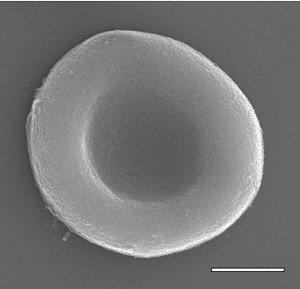
Scientists have tried to develop synthetic red blood cells that mimic the favorable properties of natural ones, such as flexibility, oxygen transport and long circulation times. But so far, most artificial red blood cells have had one or a few,... Continue Reading →

Springtime rains can be a surprising source of pollen. University of Iowa researchers report that tree pollen fragments remain in the air for as many as 11 hours after heavy rains, and those granules can make their way deep into... Continue Reading →
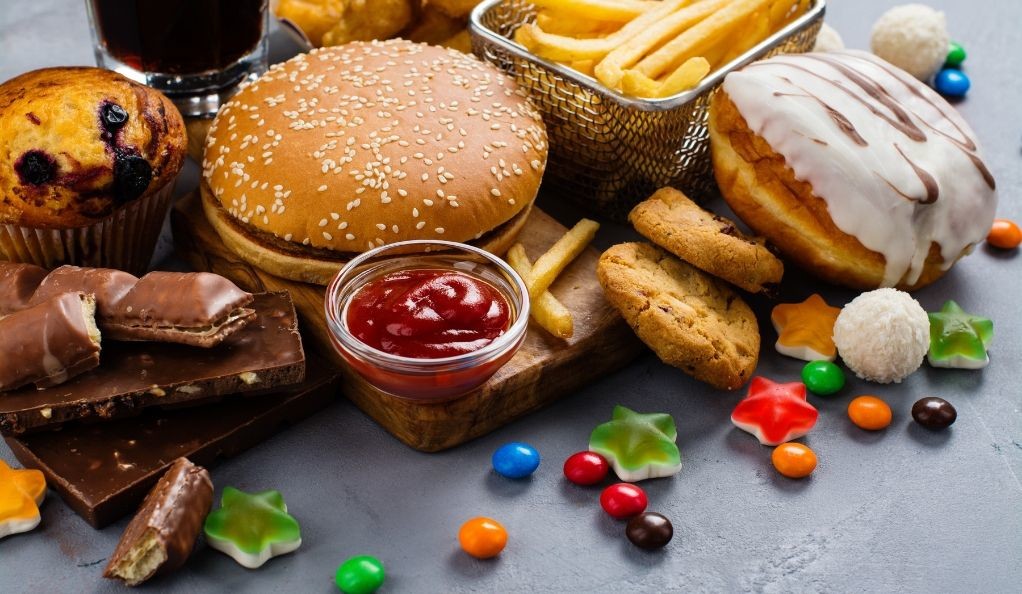
Fatty food may feel like a friend during these troubled times, but new research suggests that eating just one meal high in saturated fat can hinder our ability to concentrate -- not great news for people whose diets have gone... Continue Reading →

Children, teens and young adults are at greater risk for severe complications from COVID-19 than previously thought and those with underlying health conditions are at even greater risk, according to a study coauthored by a Rutgers researcher. The study, published... Continue Reading →
After studying global data from the novel coronavirus (COVID-19) pandemic, researchers have discovered a strong correlation between severe vitamin D deficiency and mortality rates. Led by Northwestern University, the research team conducted a statistical analysis of data from hospitals and... Continue Reading →
 Scents of Science