
Scientists at Johns Hopkins Medicine using MRI scans and computer modeling say they have further pinpointed areas of the human brain that regulate efforts to deal with fatigue. The findings, they say, could advance the development of behavioral and other... Continue Reading →
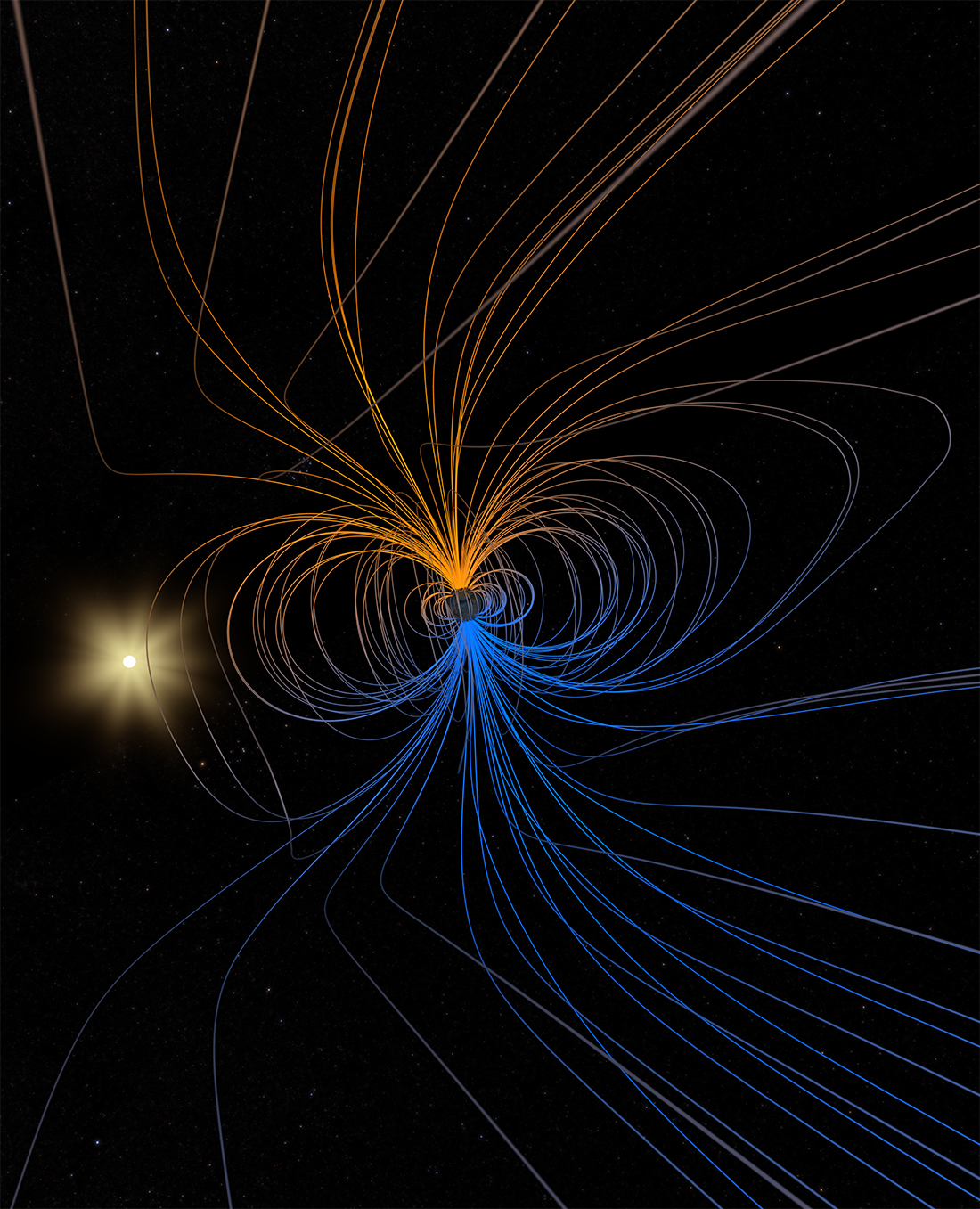
A small but evolving dent in Earth's magnetic field can cause big headaches for satellites. Earth's magnetic field acts like a protective shield around the planet, repelling and trapping charged particles from the Sun. But over South America and the... Continue Reading →

Nearly 40 years of satellite data from Greenland shows that glaciers on the island have shrunk so much that even if global warming were to stop today, the ice sheet would continue shrinking. The finding, published in the journal Nature Communications... Continue Reading →
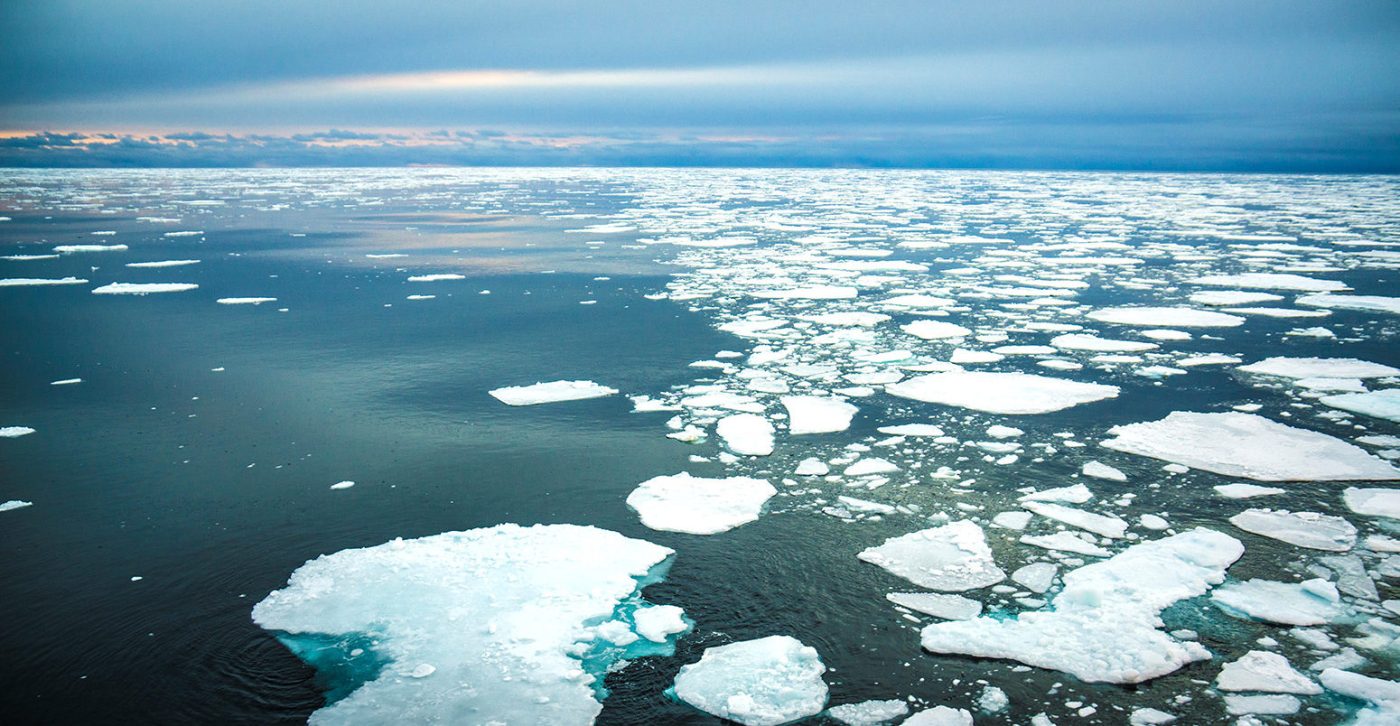
A new study, published in the journal Nature Climate Change, supports predictions that the Arctic could be free of sea ice by 2035. High temperatures in the Arctic during the last interglacial -- the warm period around 127,000 years ago --... Continue Reading →
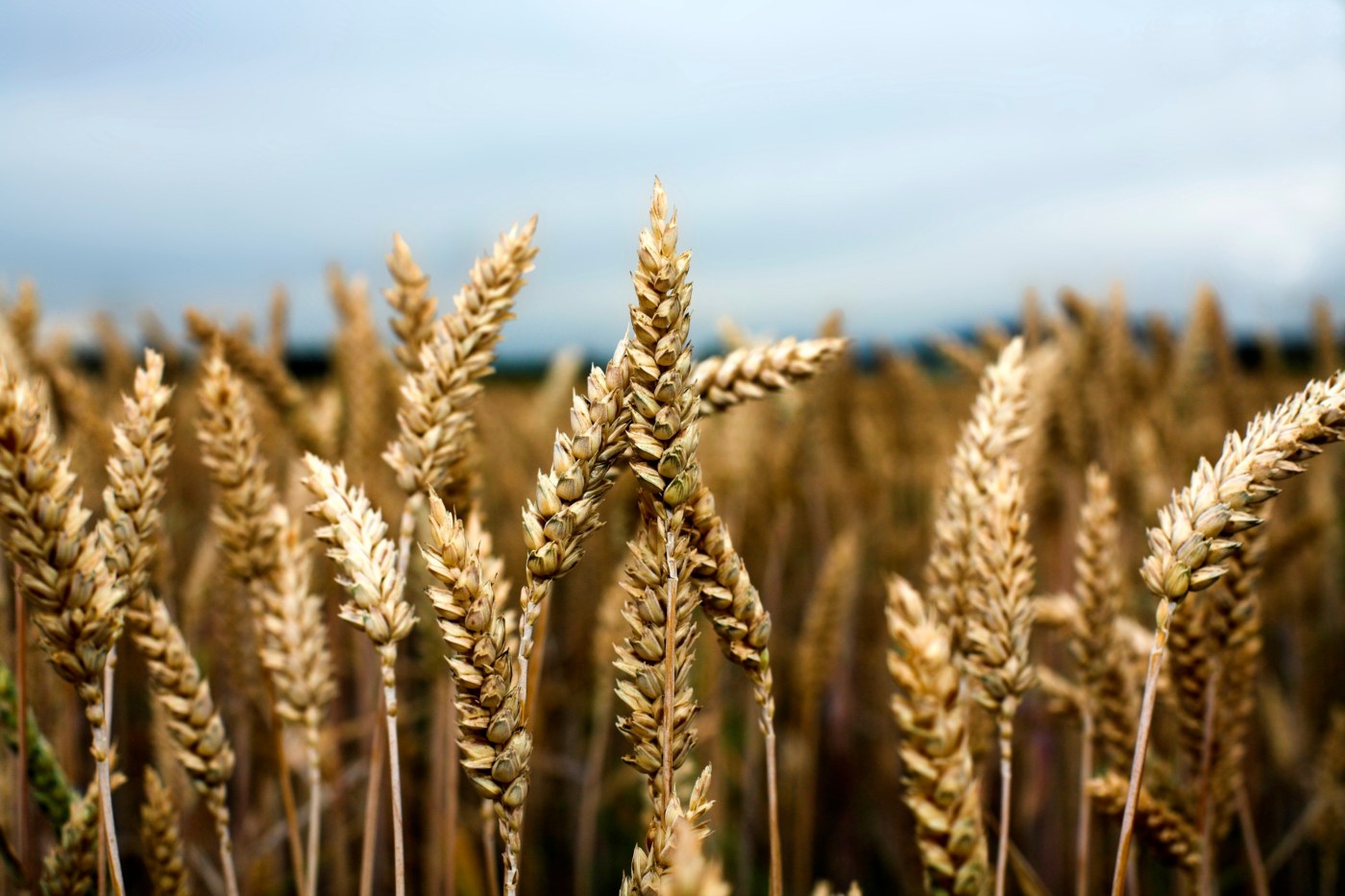
In recent years, the number of people affected by coeliac disease, wheat allergy or gluten or wheat sensitivity has risen sharply. But why is this the case? Could it be that modern wheat varieties contain more immunoreactive protein than in... Continue Reading →

One of the immune system's oldest branches, called complement, may be influencing the severity of COVID disease, according to a new study from researchers at Columbia University Irving Medical Center. Among other findings linking complement to COVID, the researchers found... Continue Reading →

A large number of the valley networks scarring Mars's surface were carved by water melting beneath glacial ice, not by free-flowing rivers as previously thought, according to new UBC research published in Nature Geoscience. The findings effectively throw cold water on... Continue Reading →

When we say someone has a quick mind, it may be in part thanks to our expanded cerebellum that distinguishes human brains from those of macaque monkeys, for example. Sometimes referred to by its Latin translation as the '"little brain"',... Continue Reading →
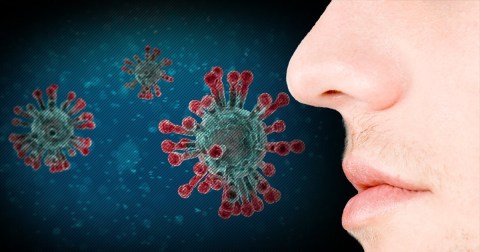
Temporary loss of smell, or anosmia, is the main neurological symptom and one of the earliest and most commonly reported indicators of COVID-19. Studies suggest it better predicts the disease than other well-known symptoms such as fever and cough, but... Continue Reading →
 Scents of Science