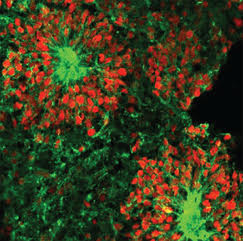
Microgravity is known to alter the muscles, bones, the immune system and cognition, but little is known about its specific impact on the brain. To discover how brain cells respond to microgravity, Scripps Research scientists, in collaboration with the New... Continue Reading →

Macquarie University researchers have demonstrated how ordinary supermarket grapes can enhance the performance of quantum sensors, potentially leading to more efficient quantum technologies. The study, published in Physical Review Applied on 20 December 2024, shows that pairs of grapes can create strong localized magnetic... Continue Reading →
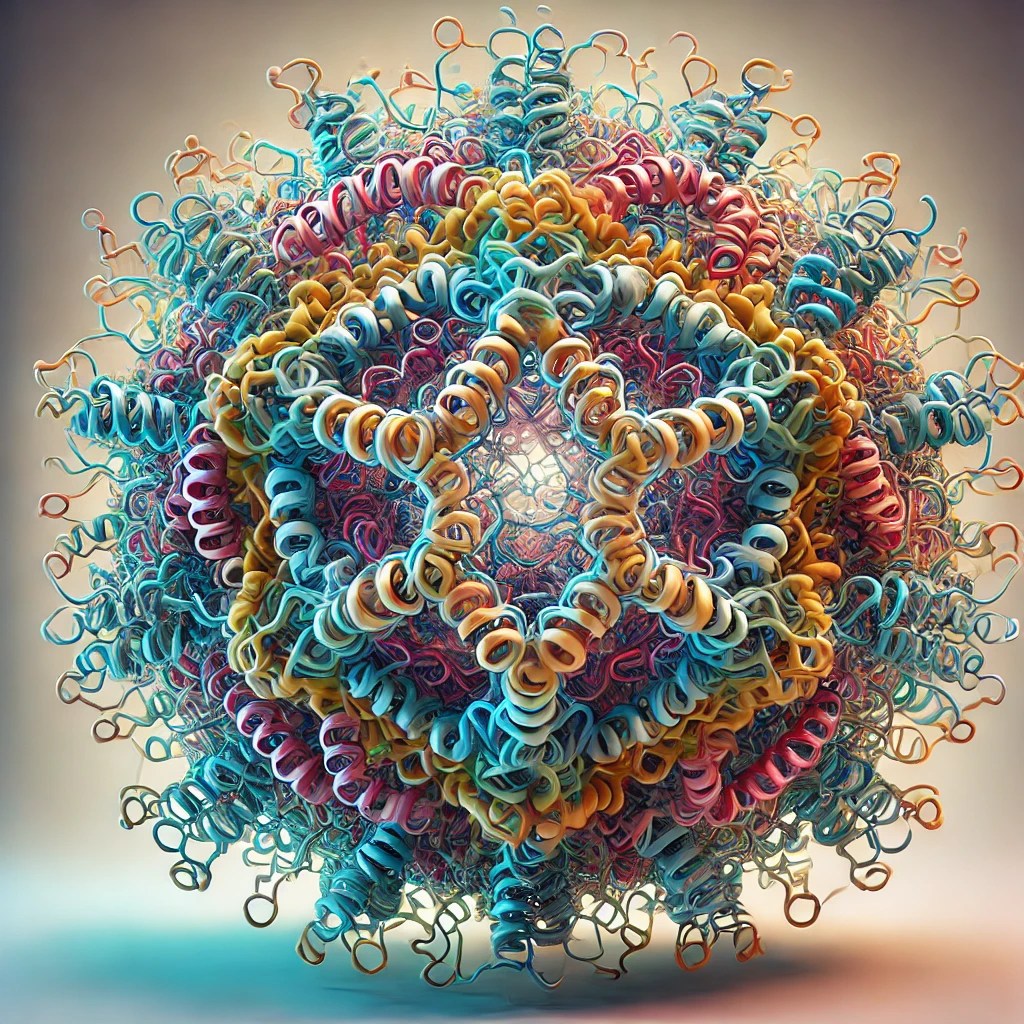
Professor Sangmin Lee from POSTECH’s Department of Chemical Engineering, in collaboration with 2024 Nobel Chemistry Laureate Professor David Baker from the University of Washington, has developed an innovative therapeutic platform by mimicking the intricate structures of viruses using artificial intelligence... Continue Reading →
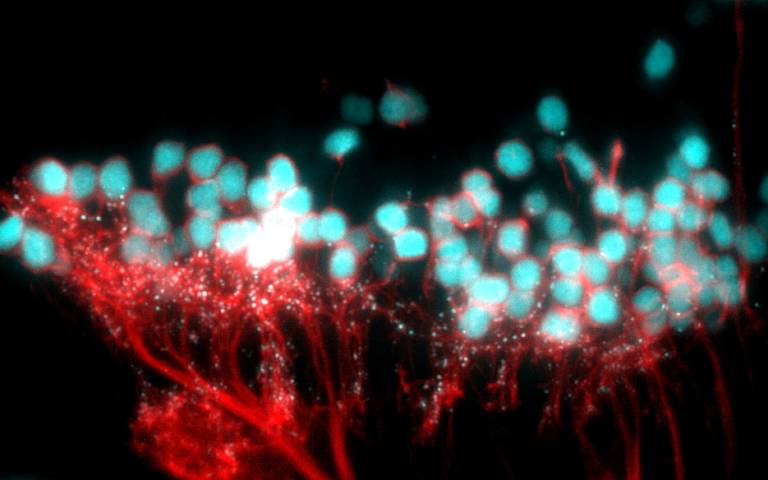
The researchers say their findings, published in Nature, provide insight into the role of sleep, but still leave an open question around what function the latter half of a night’s sleep serves. The researchers say the study supports the Synaptic Homeostasis... Continue Reading →

The fountain of youth has eluded explorers for ages. It turns out the magic anti-aging elixir might have been inside us all along. Cold Spring Harbor Laboratory (CSHL) Assistant Professor Corina Amor Vegas and colleagues have discovered that T cells can be... Continue Reading →

Restricting calories is known to improve health and increase lifespan, but much of how it does so remains a mystery, especially in regard to how it protects the brain. Buck scientists have uncovered a role for a gene called OXR1 that is... Continue Reading →

In recent years, research has begun to reveal that the lines of communication between the body’s organs are key regulators of aging. When these lines are open, the body’s organs and systems work well together. But with age, communication lines... Continue Reading →

New research indicates that the eating disorder anorexia nervosa is associated with being an early riser, unlike many other disorders that tend to be evening-based such as depression, binge eating disorder and schizophrenia. The study, which is published in JAMA Network... Continue Reading →

A new study published in Nature Cell Biology by Mark Alkema, PhD, professor of neurobiology, establishes an important molecular link between specific B12-producing bacteria in the gut of the roundworm C. elegans and the production of acetylcholine, a neurotransmitter important to memory and cognitive... Continue Reading →
 Scents of Science