
A new study published in Nature Cell Biology by Mark Alkema, PhD, professor of neurobiology, establishes an important molecular link between specific B12-producing bacteria in the gut of the roundworm C. elegans and the production of acetylcholine, a neurotransmitter important to memory and cognitive... Continue Reading →

Treating a mouse model of multiple sclerosis with the pregnancy hormone estriol reversed the breakdown of myelin in the brain’s cortex, a key region affected in multiple sclerosis, according to a new UCLA Health study. BACKGROUNDIn multiple sclerosis, inflammation spurs... Continue Reading →

In a recent study, researchers from Xi’an Jiaotong-Liverpool University and other universities in China have reported that brain stimulation combined with a nose spray containing nanoparticles can improve recovery after ischemic stroke in an animal model. Rats that were given... Continue Reading →

Strong alternating magnetic fields can be used to generate a new type of spin wave that was previously just theoretically predicted. This was achieved for the first time by a team of physicists from Martin Luther University Halle-Wittenberg (MLU). They... Continue Reading →

Older people who were infected with COVID-19 show a substantially higher risk—as much as 50% to 80% higher than a control group—of developing Alzheimer’s disease within a year, according to a study of more than 6 million patients 65 and... Continue Reading →

Excitons are quasiparticles that are formed in insulators or semiconductors when an electron is promoted to a higher energy band, leaving a positively charged hole behind. At the presence of strong Coulomb interaction, electrons and holes (vacancies left by electron... Continue Reading →
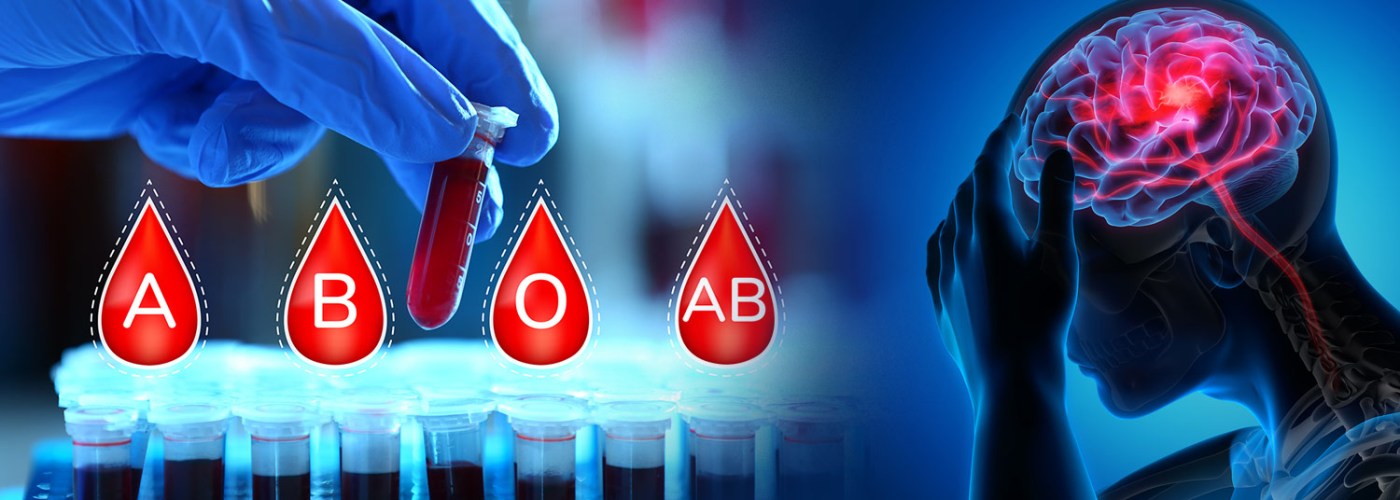
A person’s blood type may be linked to their risk of having an early stroke, according to a new meta-analysis led by University of Maryland School of Medicine (UMSOM) researchers. Findings were published in the journal Neurology. The meta-analysis included all available data... Continue Reading →

For many Americans, the convenience of pre-cooked and instant meals may make it easy to overlook the less-than-ideal nutritional information, but a team led by researchers at Tufts University and Harvard University hope that will change after recently discovering a... Continue Reading →

The axolotl (Ambystoma mexicanum) is an aquatic salamander renowned for its ability to regenerate its spinal cord, heart and limbs. These amphibians also readily make new neurons throughout their lives. In 1964, researchers observed that adult axolotls could regenerate parts of their brains, even if a... Continue Reading →
 Scents of Science