
More than two thirds (65.5%) of students are experiencing poor sleep quality and this is linked to mental health problems, new research published in the peer-reviewed journal Annals of Human Biologysuggests. The findings, based on more than 1,000 (1,113) men and... Continue Reading →

For the first time, researchers have used human data to quantify the speed of different processes that lead to Alzheimer’s disease and found that it develops in a very different way than previously thought. Their results could have important implications... Continue Reading →

Summary: By studying both identical and fraternal twins, researchers suggest that largely the same heredity factors that influence openness to casual sex also influence a person’s moral views toward recreational drug use. Few hallmarks of the 1960s counterculture stand out like... Continue Reading →

Too little and too much sleep linked to cognitive decline Like so many other good things in life, sleep is best in moderation. A multiyear study of older adults found that both short and long sleepers experienced greater cognitive decline... Continue Reading →
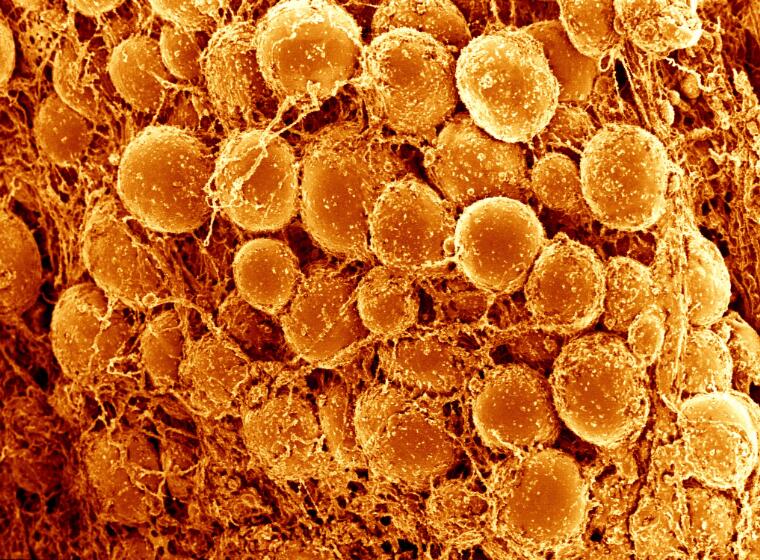
Findings published last week reveal new insights into the role of fat cells in cognitive decline and neurodegeneration, according to a study that involves the oxidant amplification loop led by Marshall University scientists. The research, published in iScience, shows that fat... Continue Reading →

"We usually enjoy a beautiful environment, socializing, a cosy apartment, good restaurants, a park -- all this inspires us," says Robert Ahrends from the Institute of Analytical Chemistry of the University of Vienna and former group leader at ISAS in... Continue Reading →

Four weeks on a diet of highly processed food led to a strong inflammatory response in the brains of aging rats that was accompanied by behavioral signs of memory loss, a new study has found. Researchers also found that supplementing... Continue Reading →

The ability to detect and react to the smell of a potential threat is a precondition of our and other mammals' survival. Using a novel technique, researchers at Karolinska Institutet in Sweden have been able to study what happens in... Continue Reading →

Looking for ways to image the human brain for the earliest signs of aging and cognitive decline, Johns Hopkins Medicine researchers recently identified a pattern that links the accumulation of amyloid beta (Aβ) proteins (associated with cognitive decline later in... Continue Reading →
 Scents of Science