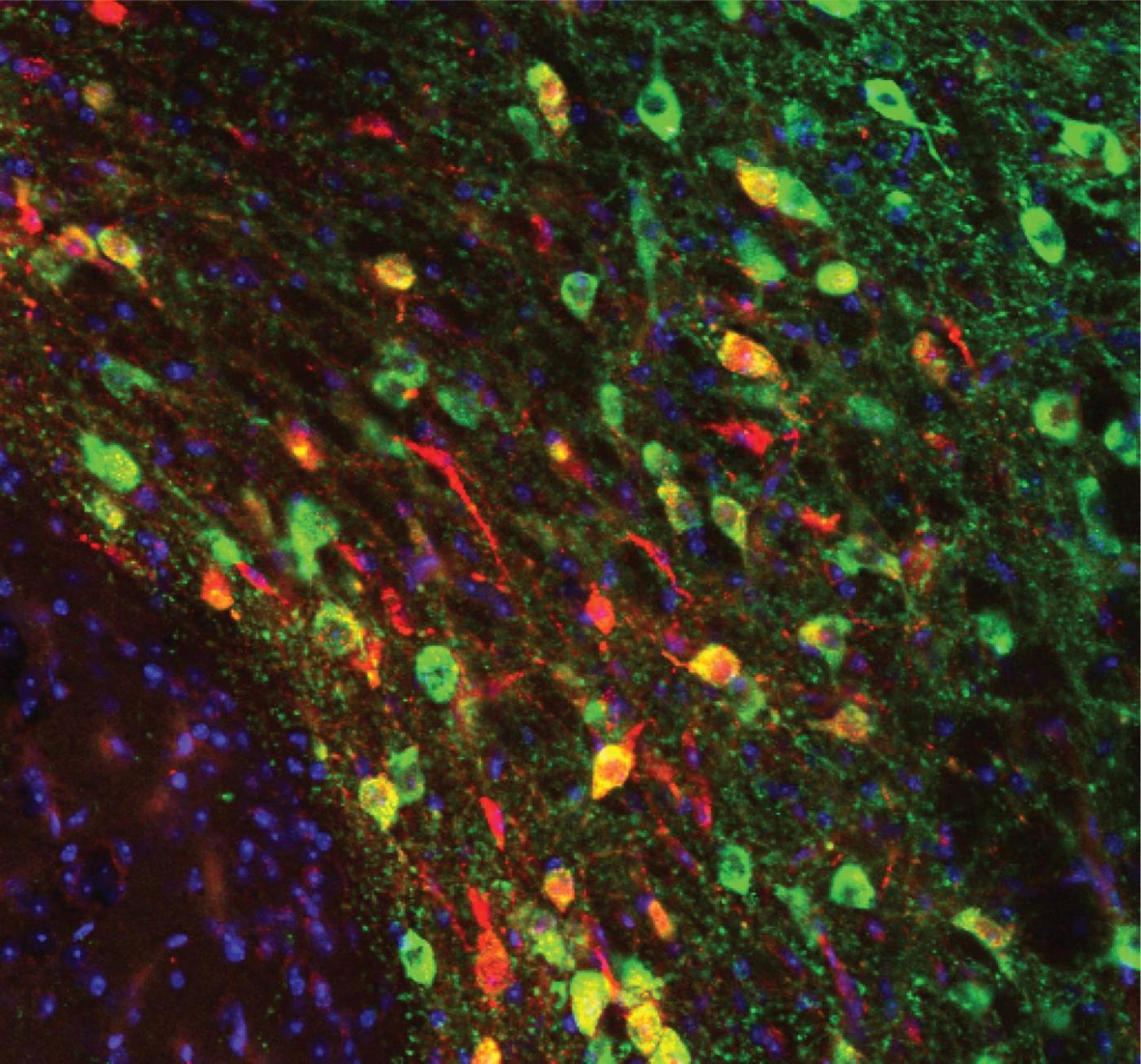
Autism spectrum disorders are a heterogeneous group of neurodevelopmental disorders, one of the main characteristics of which is impaired social communication. But what happens in patients' brains that disrupts their social skills? According to scientists from the Universities of Geneva... Continue Reading →

Many patients with neuropsychiatric disorders such as anxiety or depression experience negative moods that lead them to focus on the possible downside of a given situation more than the potential benefit. MIT neuroscientists have now pinpointed a brain region that... Continue Reading →
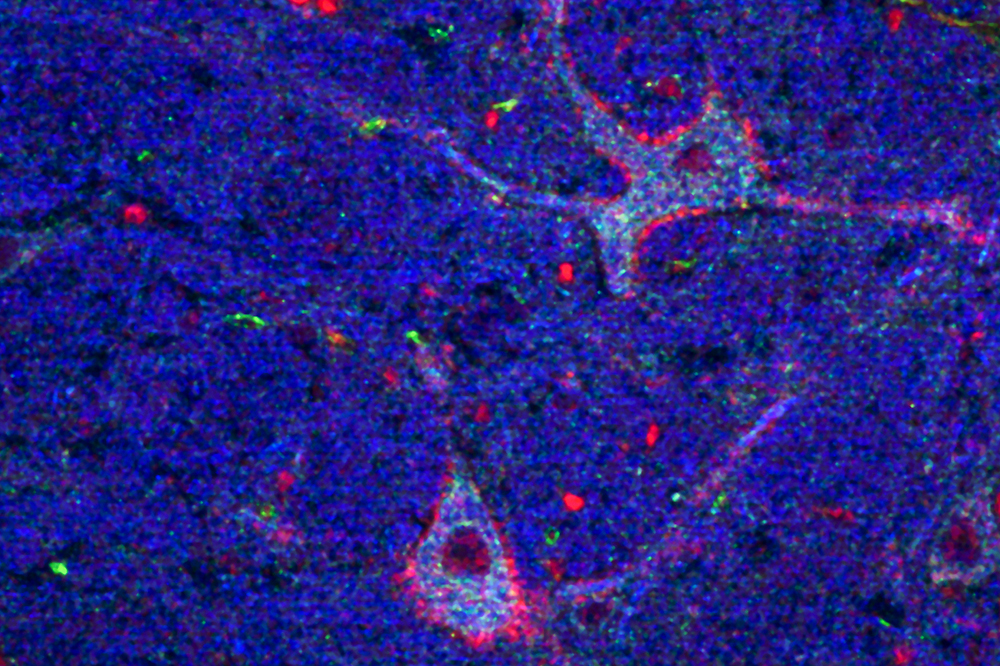
There is no shortage of wonders that our central nervous system produces—from thought and language to movement to the five senses. All of those dazzling traits, however, depend on an underappreciated deep brain mechanism that Donald Pfaff, head of the... Continue Reading →
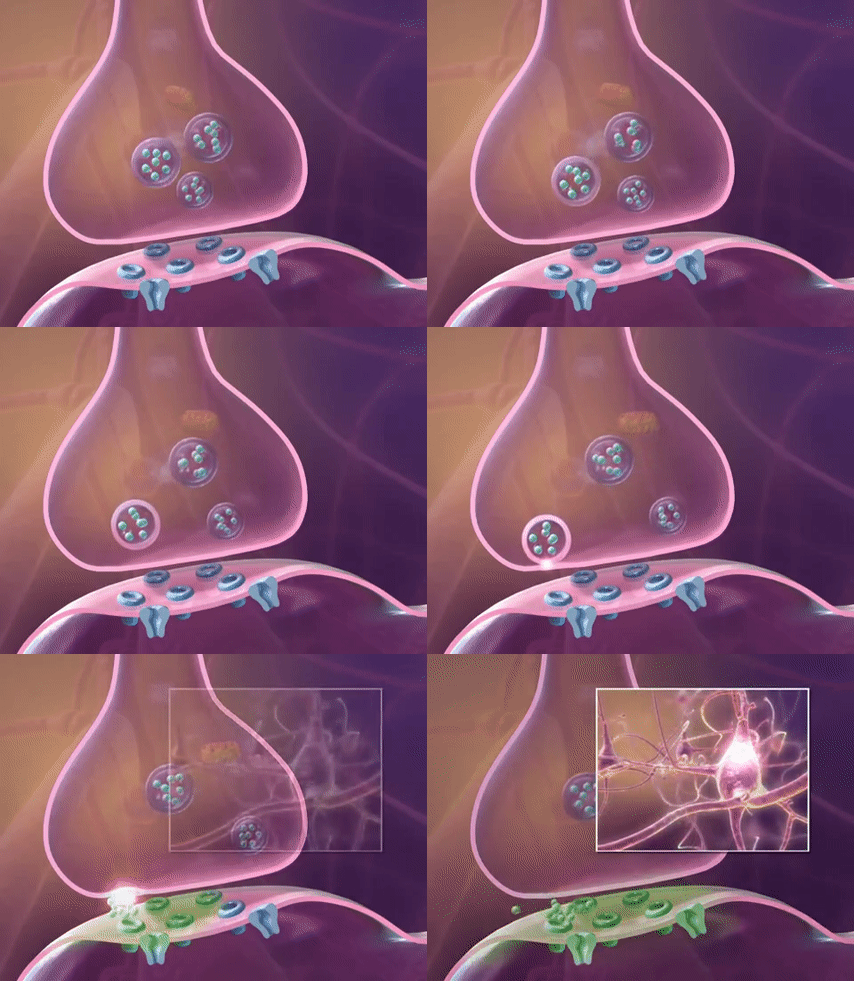
It’s a recognizable experience – you’re on your way to grab a healthy salad when you pass that familiar burger joint sign that elicits memories of greasy cheeseburgers, and suddenly you’re in line at the counter, adding fries to that... Continue Reading →

Scientists have created an elaborate map of more than a billion brain cell connections, helping to shed light on how memories are formed and recalled. Their complex series of images are the first to illustrate how these vital connections are... Continue Reading →
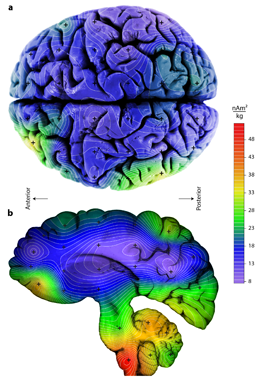
Many living organisms, such as migratory birds, are thought to possess a magnetotactic sense, which enables them to respond to the Earth’s magnetic field. Whether or not humans are capable of sensing magnetism is the subject of debate. However, several... Continue Reading →

A rope coiled on dusty trail may trigger a frightened jump by a hiker who recently stepped on a snake. Now a new study better explains how a one-time visual experience can shape perceptions afterward. Led by neuroscientists from NYU... Continue Reading →

A cutting-edge laboratory technique that turns human stem cells into brain-like tissue now recapitulates human brain development more accurately than ever, according to a study from Case Western Reserve University School of Medicine. The study, published in Nature Methods,demonstrates how... Continue Reading →

Dyslexia, a reading disorder, is characterized by a difficulty in “decoding” — navigating between the visual form and sounds of a written language. But a subset of dyslexic people, dubbed “resilient dyslexics,” exhibit remarkably high levels of reading comprehension despite... Continue Reading →
 Scents of Science