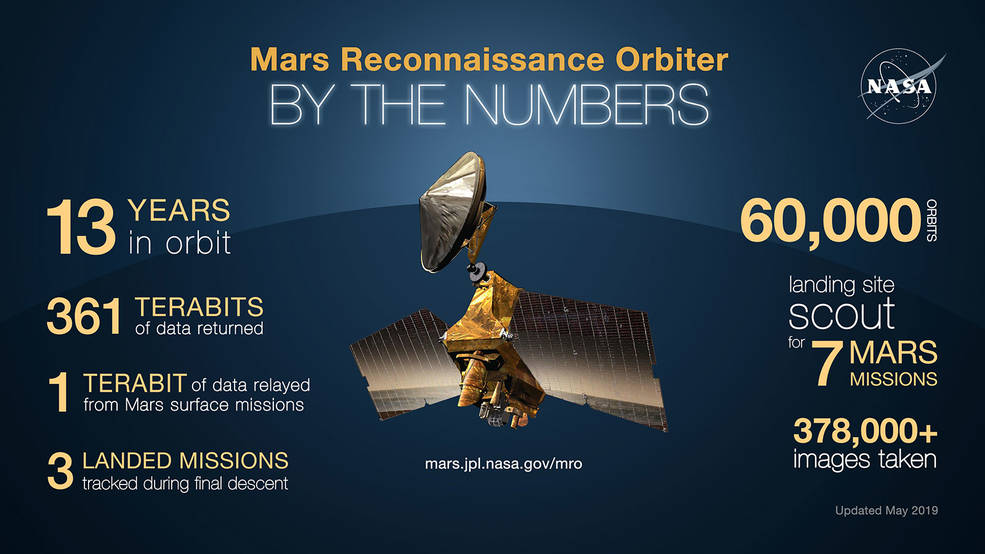
NASA's Mars Reconnaissance Orbiter hit a dizzying milestone: It completed 60,000 loops around the Red Planet. On average, MRO takes 112 minutes to circle Mars, whipping around at about 2 miles per second (3.4 kilometers per second). Since entering orbit... Continue Reading →

Blue Moon is a relatively large lunar lander that's designed to deliver science payloads, moon rovers and even astronauts to the lunar surface. It can also deploy small satellites into lunar orbit as a "bonus mission" on the way, Bezos... Continue Reading →
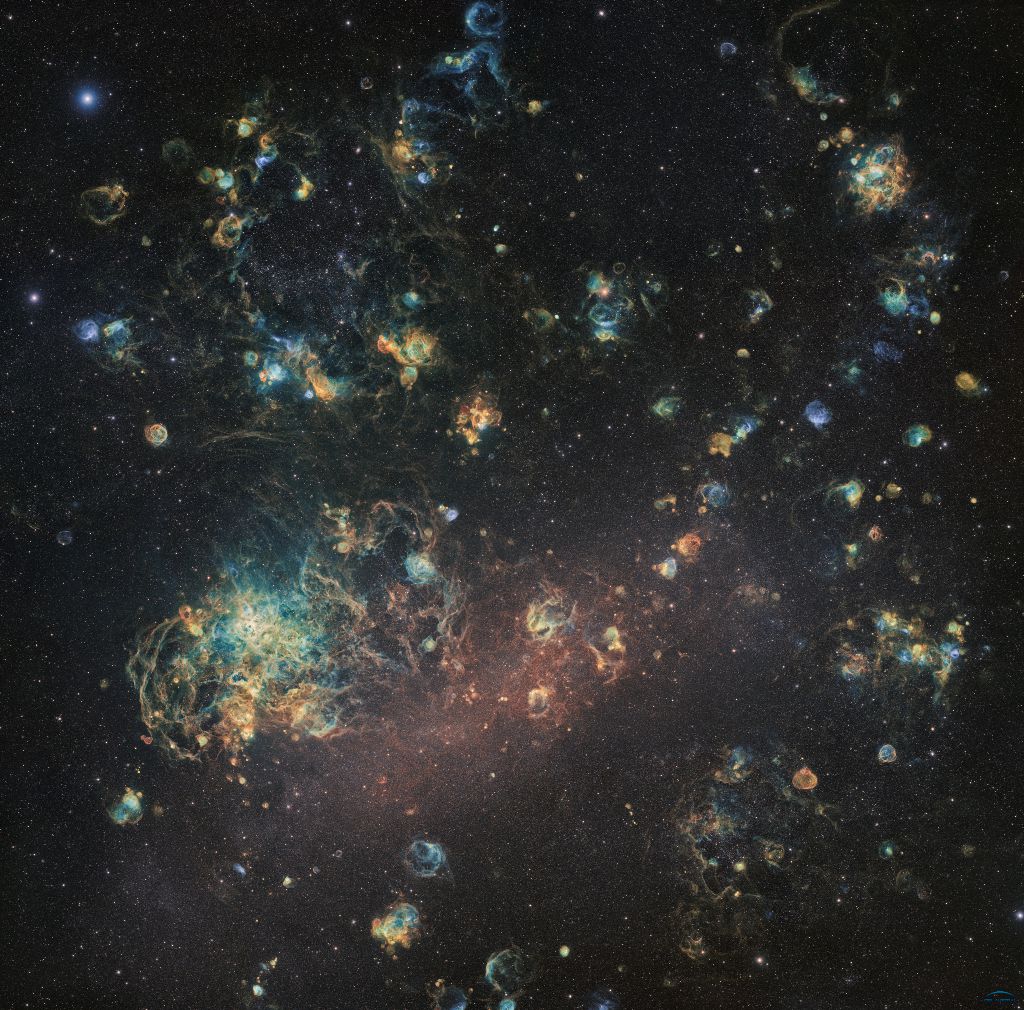
The Large Magellanic Cloud (LMC) is an alluring sight in southern skies. But this deep and detailed telescopic view, over 10 months in the making, goes beyond what is visible to most circumnavigators of planet Earth. Spanning over 5 degrees or 10 full moons, the... Continue Reading →
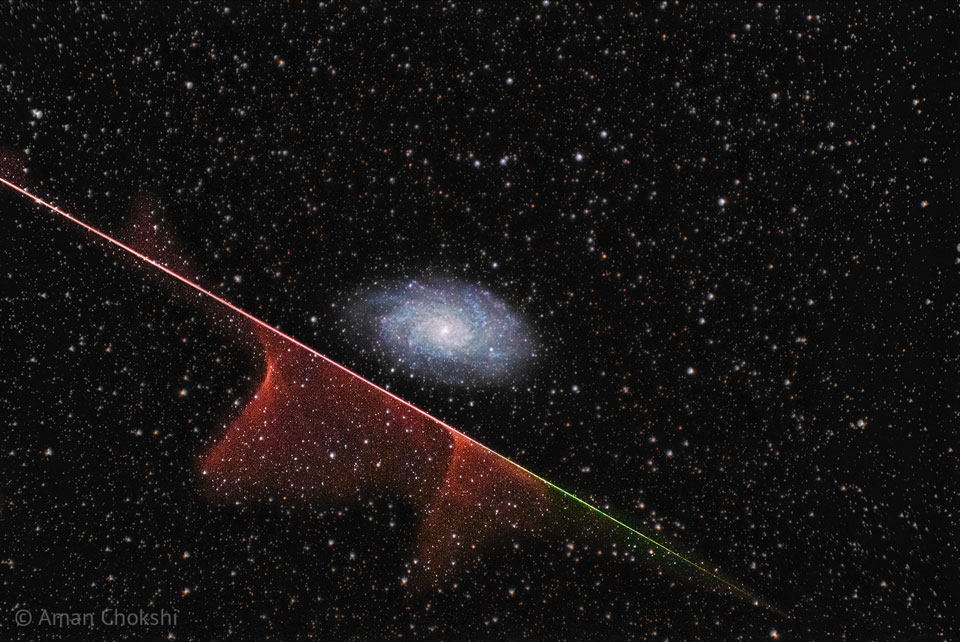
The galaxy was never in danger. For one thing, the Triangulum galaxy (M33), pictured, is much bigger than the tiny grain of rock at the head of the meteor. For another, the galaxy is much farther away -- in this instance 3 million light... Continue Reading →

The first type of molecule that ever formed in the universe has been detected in space for the first time, after decades of searching. Scientists discovered its signature in our own galaxy using the world’s largest airborne observatory, NASA’s Stratospheric... Continue Reading →

This three-dimensional view of asteroid Bennu was created by the OSIRIS-REx Laser Altimeter (OLA), contributed by the Canadian Space Agency, on NASA’s OSIRIS-REx spacecraft. From Feb. 12 through 17, OLA made more than 11 million measurements of the distance between... Continue Reading →
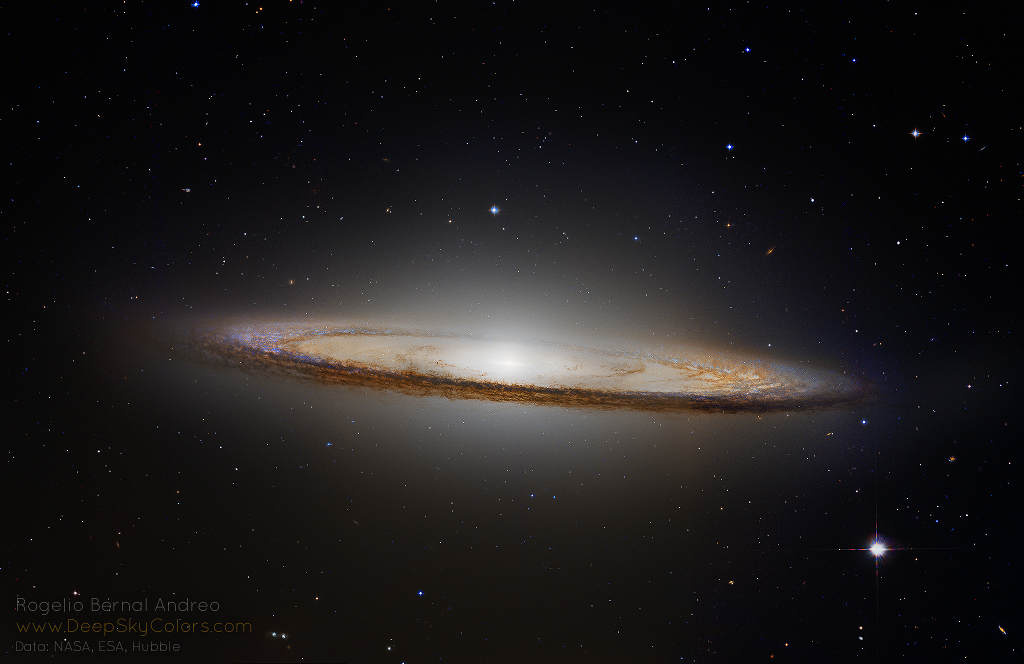
The striking spiral galaxy M104 is famous for its nearly edge-on profile featuring a broad ring of obscuring dust lanes. Seen in silhouette against an extensive central bulge of stars, the swath of cosmic dust lends a broad brimmed hat-like appearance to the galaxy suggesting... Continue Reading →

Messier 15 is a 13 billion year old relic of the early formative years of our galaxy, one of about 170 globular star clusters that still roam the halo of the Milky Way. About 200 light-years in diameter, it lies about 35,000 light years away... Continue Reading →
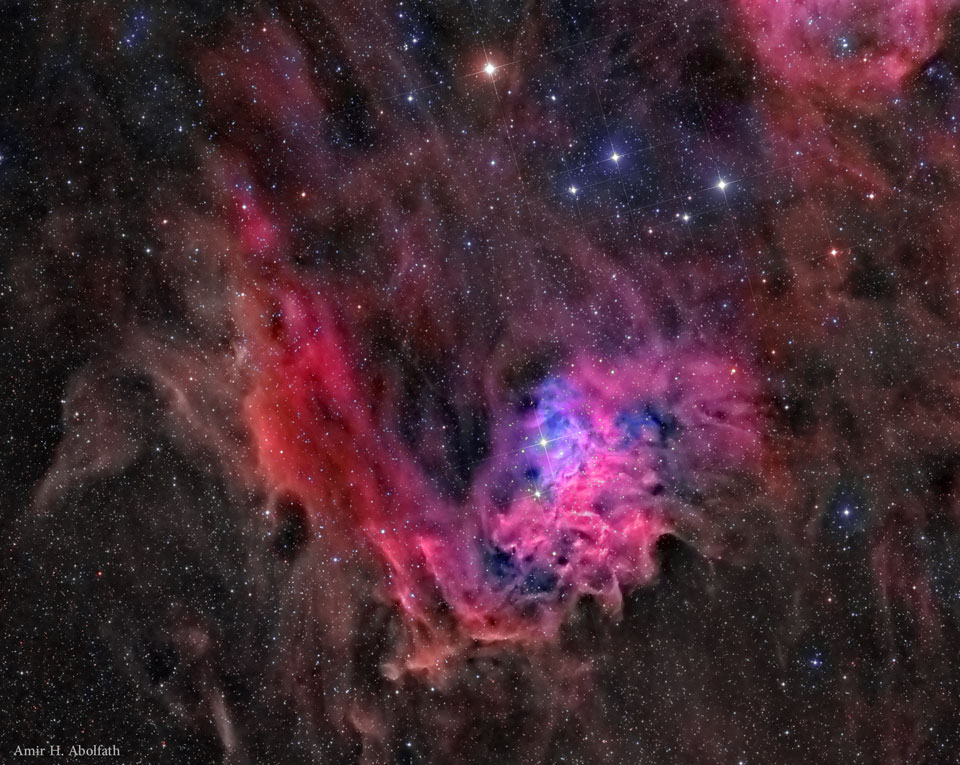
Is star AE Aurigae on fire? No. Even though AE Aurigae is named the flaming star, the surrounding nebula IC 405 is named the Flaming Star Nebula, and the region shape gives the appearance offire, there is no fire. Fire, typically defined as the rapid molecular... Continue Reading →
 Scents of Science