
Research from the Babraham Institute has developed a method to 'time jump' human skin cells by 30 years, turning back the ageing clock for cells without losing their specialised function. Work by researchers in the Institute's Epigenetics research programme has... Continue Reading →

Tanks rolled into Ukraine unabated. Families packed into darkened subway stations to take shelter from bombs. Others filled suitcases and fled along clogged roadways out of cities. The images emerging from Ukraine evoke memories of 20th-century conflicts in Europe that once seemed unimaginable in 2022,... Continue Reading →

A new study from Columbia researchers, in collaboration with scientists at the University of Hong Kong, adds more evidence that the omicron variant can evade the immune protection conferred by vaccines and natural infection and suggests the need for new... Continue Reading →

Looking for ways to image the human brain for the earliest signs of aging and cognitive decline, Johns Hopkins Medicine researchers recently identified a pattern that links the accumulation of amyloid beta (Aβ) proteins (associated with cognitive decline later in... Continue Reading →

People who include a little yoga or tai chi in their day may be more likely to remember where they put their keys. Researchers at the University of California, Irvine and Japan's University of Tsukuba found that even very light... Continue Reading →

When you clicked to read this story, a band of cells across the top of your brain sent signals down your spine and out to your hand to tell the muscles in your index finger to press down with just... Continue Reading →
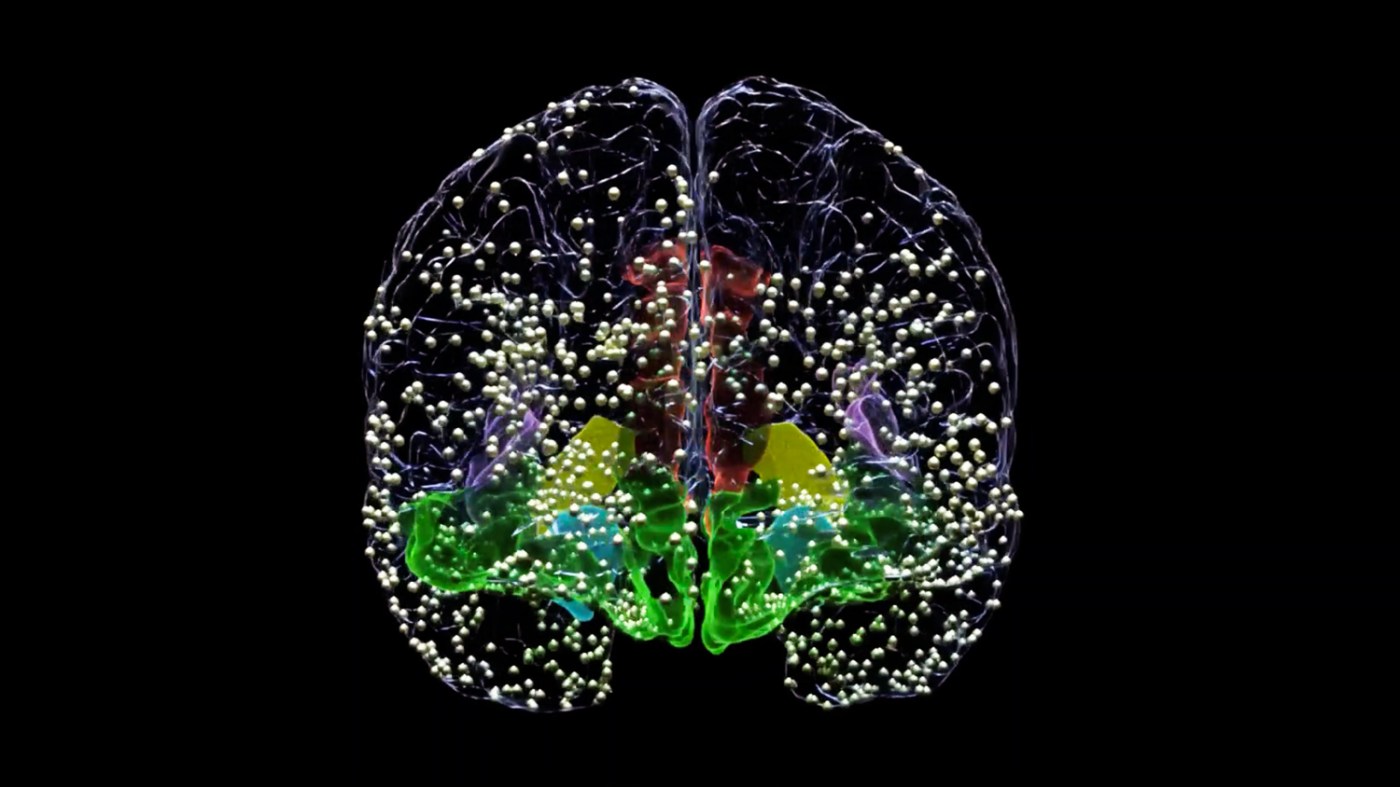
The findings, from researchers at Imperial College London and University of South Carolina, add to mounting evidence that inflammation, and the accompanying release of the molecule histamine, affects a key molecule responsible for mood in the brain – serotonin. If... Continue Reading →
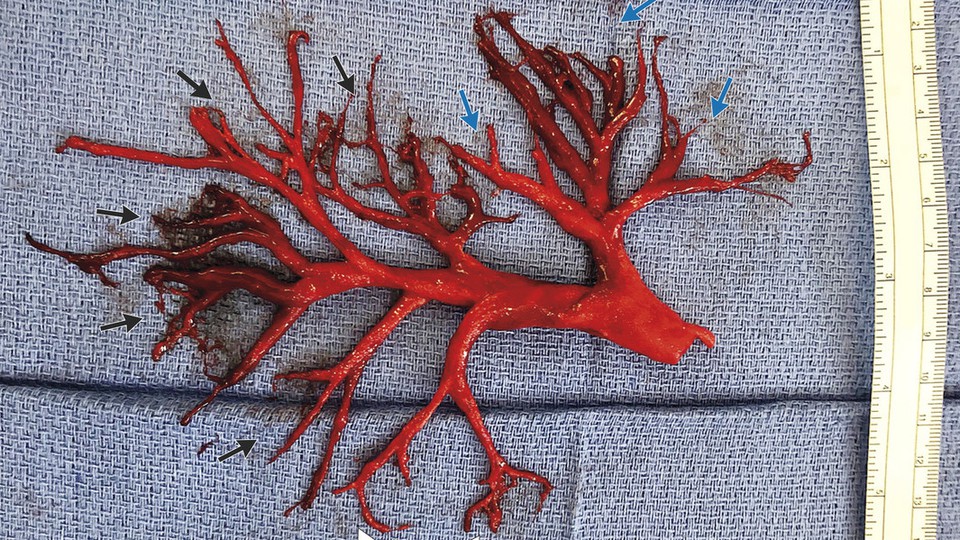
New evidence shows that patients with Long COVID syndrome continue to have higher measures of blood clotting, which may help explain their persistent symptoms, such as reduced physical fitness and fatigue. The study, led by researchers from RCSI University of... Continue Reading →
Most of us remember a time when we could eat anything we wanted and not gain weight. But a new study suggests your metabolism, the rate at which you burn calories, actually peaks much earlier and starts its inevitable decline... Continue Reading →
 Scents of Science