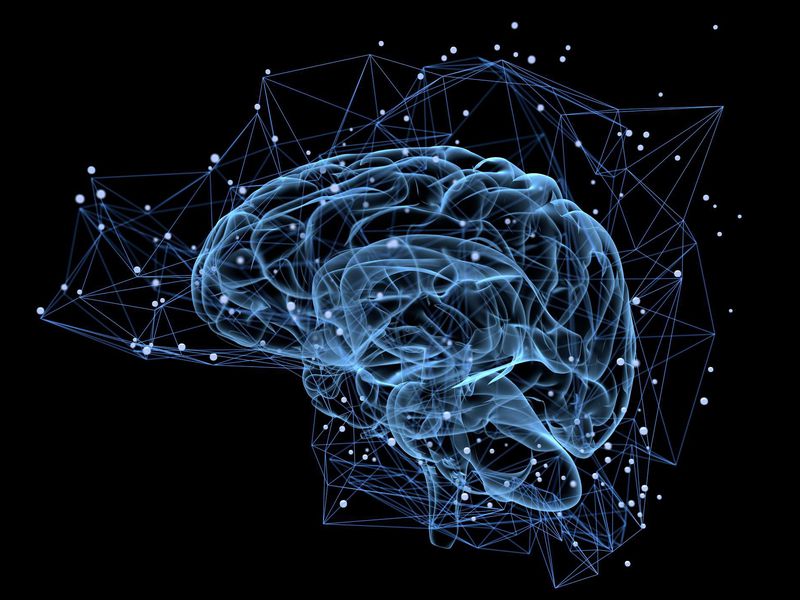
Providing "targeted" social support to other people in need activates regions of the brain involved in parental care- which may help researchers understand the positive health effects of social ties, reports a study in Psychosomatic Medicine: Journal of Biobehavioral Medicine, the... Continue Reading →
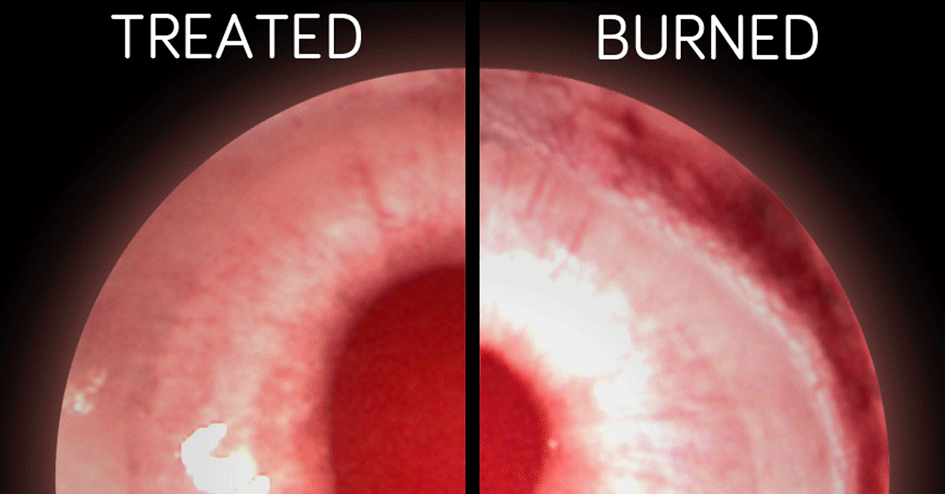
New research led by scientists at Newcastle University, UK reveals a potential revolutionary way to treat eye injuries and prevent blindness - by softening the tissue hosting the stem cells which then helps repair wounds, inside the body. The team... Continue Reading →

Researchers at the University of Minnesota have developed a unique 3D-printed transparent skull implant for mice that provides an opportunity to watch activity of the entire brain surface in real time. The device allows fundamental brain research that could provide... Continue Reading →

A new study out of Loma Linda University Health suggests that eating red and processed meats -- even in small amounts -- may increase the risk of death from all causes, especially cardiovascular disease. Saeed Mastour Alshahrani, lead author of... Continue Reading →

A little more than 10 years ago, when neurobiologist Richard Smeynewas working at St. Jude Children’s Research Hospital in Memphis, he saw a video of a duck acting strangely. The white-feathered, orange-billed bird was standing slightly apart from its flock on... Continue Reading →

Studies of health effects of alcohol consumption may underestimate the risks of imbibing, particularly for younger people, according to a new study in the Journal of Studies on Alcohol and Drugs. The research demonstrates that although cohort studies--the type of observational... Continue Reading →

Dyslexia, a reading disorder, is characterized by a difficulty in “decoding” — navigating between the visual form and sounds of a written language. But a subset of dyslexic people, dubbed “resilient dyslexics,” exhibit remarkably high levels of reading comprehension despite... Continue Reading →
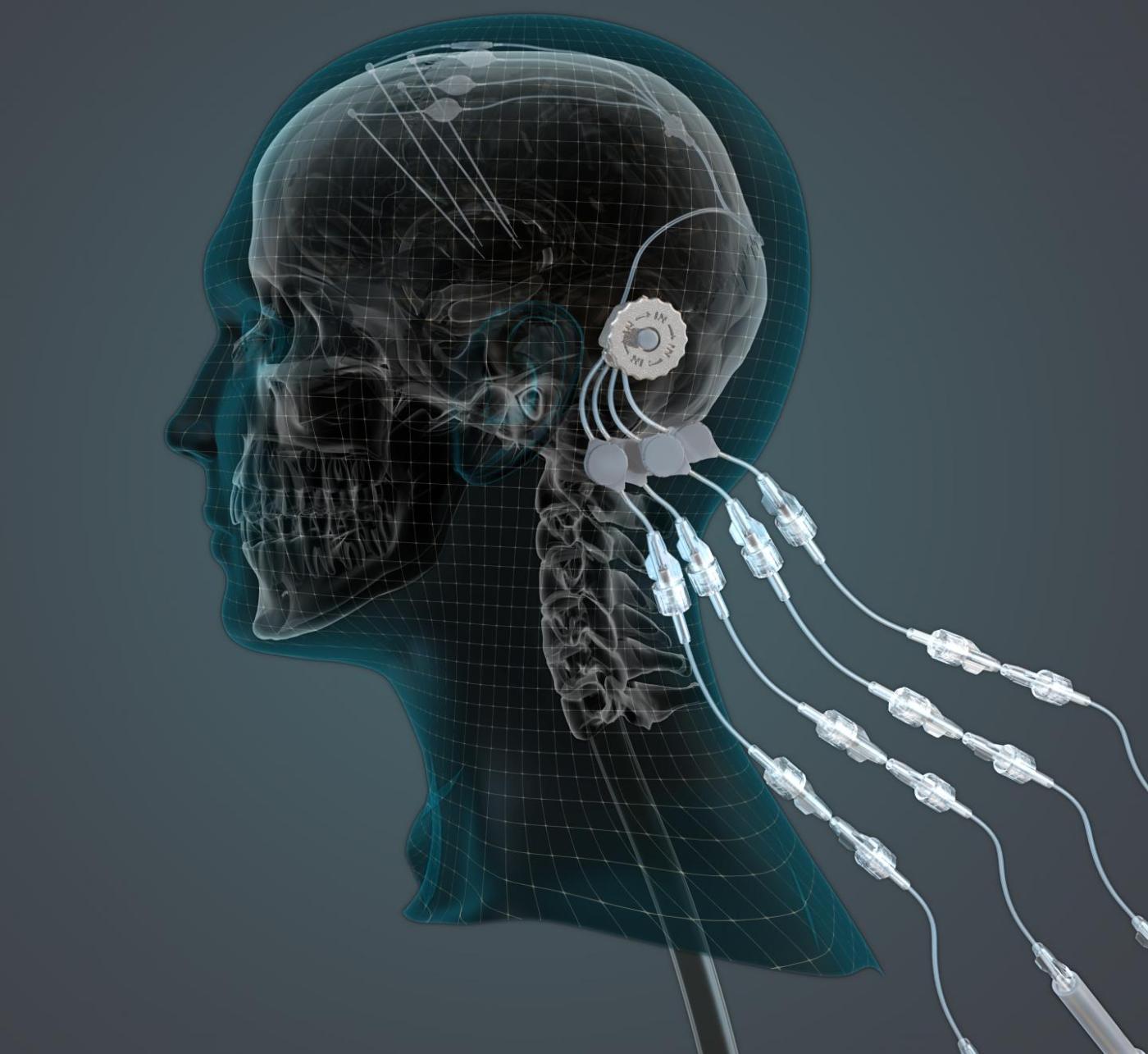
Results from a pioneering clinical trials programme that delivered an experimental treatment directly to the brain offer hope that it may be possible to restore the cells damaged in Parkinson's. The multimillion-pound study, funded by Parkinson's UK with support from... Continue Reading →

The popular view that music enhances creativity has been challenged by researchers who say it has the opposite effect. Psychologists from the University of Central Lancashire, University of Gävle in Sweden and Lancaster University investigated the impact of background music... Continue Reading →
 Scents of Science