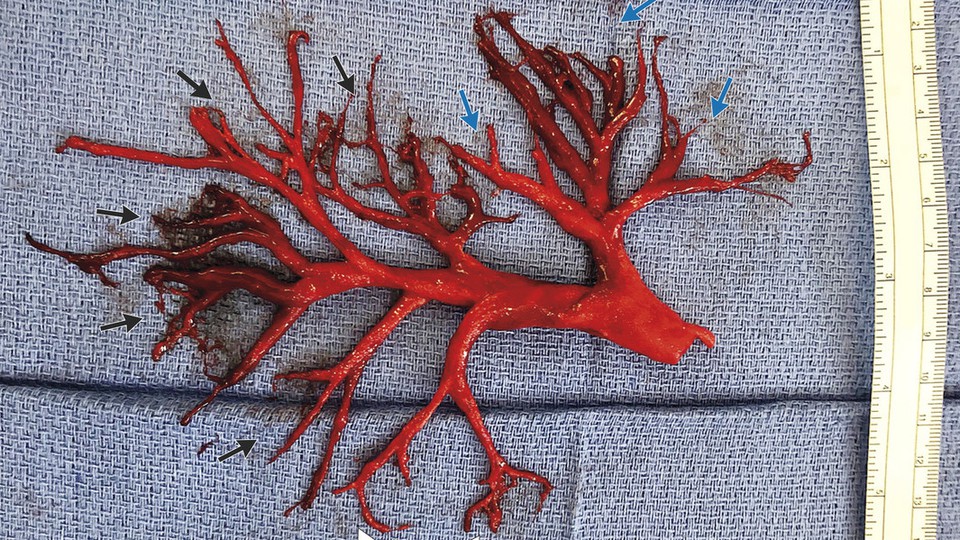
New evidence shows that patients with Long COVID syndrome continue to have higher measures of blood clotting, which may help explain their persistent symptoms, such as reduced physical fitness and fatigue. The study, led by researchers from RCSI University of... Continue Reading →
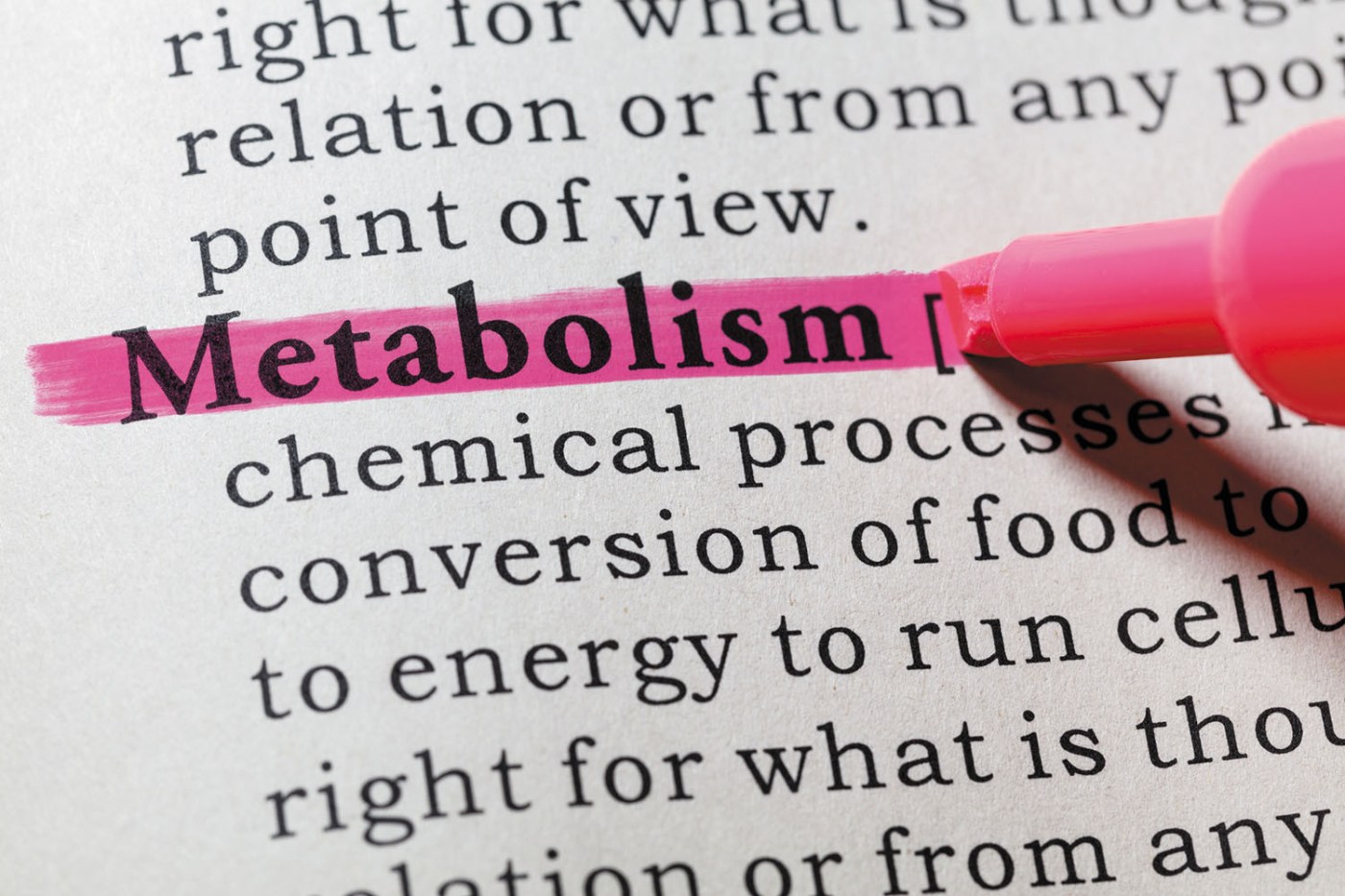
Most of us remember a time when we could eat anything we wanted and not gain weight. But a new study suggests your metabolism, the rate at which you burn calories, actually peaks much earlier and starts its inevitable decline... Continue Reading →

How much are you conscious of right now? Are you conscious of just the words in the center of your visual field or all the words surrounding it? We tend to assume that our visual consciousness gives us a rich... Continue Reading →
New research from Edith Cowan University (ECU) has revealed that training one arm can improve strength and decrease muscle loss in the other arm -- without even moving it. The findings could help to address the muscle wastage and loss... Continue Reading →
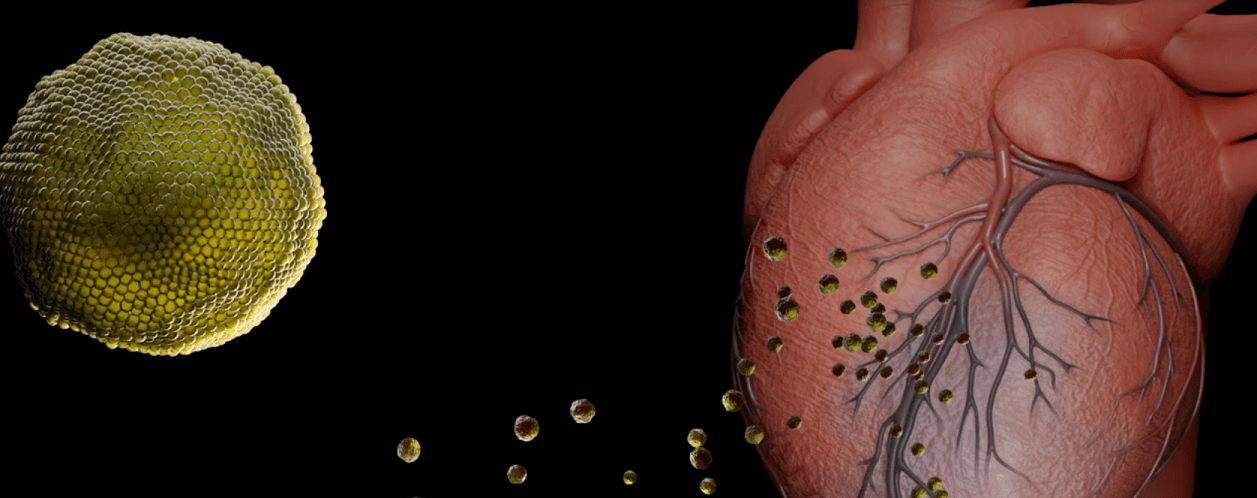
Extracellular vesicles (EVs) -- nanometer sized messengers that travel between cells to deliver cues and cargo -- are promising tools for the next generation of therapies for everything from autoimmune and neurodegenerative diseases to cancer and tissue injury. EVs derived... Continue Reading →

Obesity affects more than 40 percent of adults in the United States and 13 percent of the global population. With obesity comes a variety of other interconnected diseases including cardiovascular disease, diabetes, and fatty liver disease, which makes the disease... Continue Reading →

Highlight Study results call into question the utility of testing blood pressure load--the proportion of elevated blood pressure readings detected over 24 hours--for diagnosing hypertension in children. Results from a new study provide insights on evaluating high blood pressure in... Continue Reading →
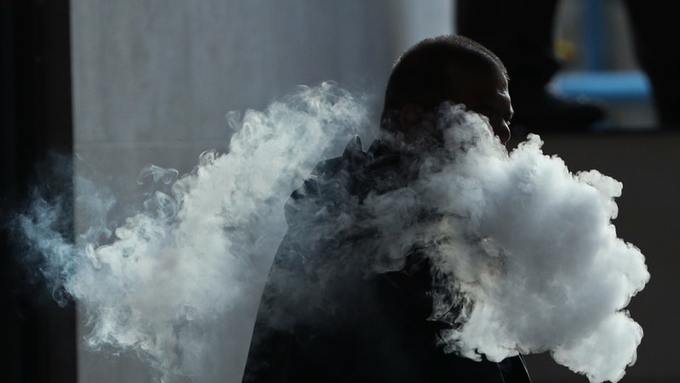
Biologically important changes in DNA seen in smokers are also being found in people who vape, according to a new study published in the journal Epigenetics. A team of scientists at the Keck School of Medicine of USC have found people... Continue Reading →

An important aspect of human memory is our ability to conjure specific moments from the vast array of experiences that have occurred in any given setting. For example, if asked to recommend a tourist itinerary for a city you have... Continue Reading →
 Scents of Science