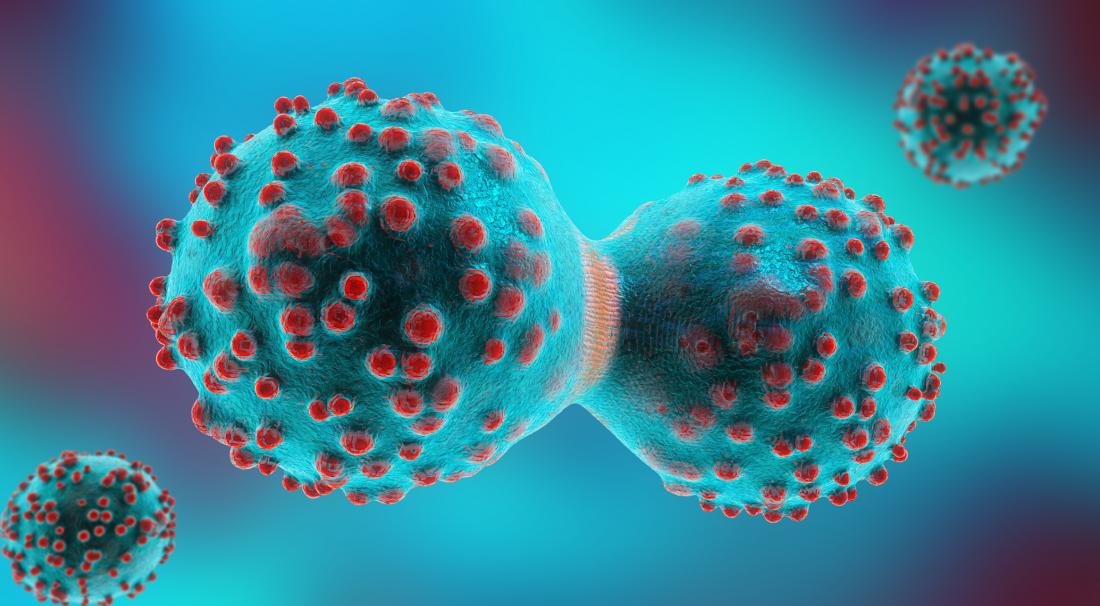
Causes of cancer are being catalogued by a huge international study revealing the genetic fingerprints of DNA-damaging processes that drive cancer development. Researchers from the Wellcome Sanger Institute, Duke-NUS Medical School Singapore, University of California San Diego School of Medicine,... Continue Reading →
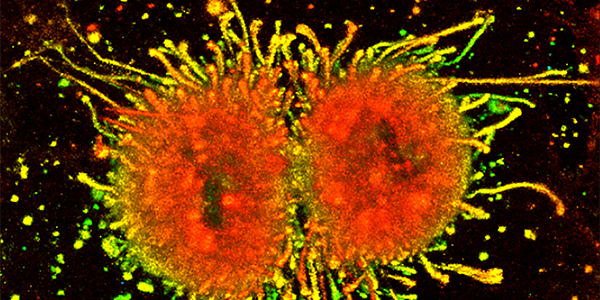
A new study from Finland sheds fresh light on how melanoma cells interact with other cells via extracellular vesicles they secrete. The researchers found that extracellular vesicles secreted by melanoma cells use the so-called hedgehog signalling pathway to intensify the... Continue Reading →
The world scientific community is waging a difficult and prolonged war on cancer. New research in the field of immunogenic cell death can extend the area of drugs application and ensure patients' protection from relapse after therapy. Cancer treatment is... Continue Reading →
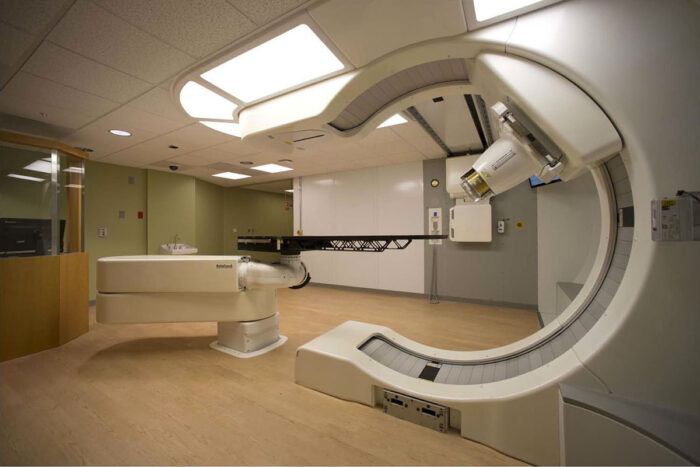
Cancer patients who receive high-tech proton therapy experience similar cure rates and fewer serious side effects compared with those who undergo traditional X-ray radiation therapy, according to a study led by Washington University School of Medicine in St. Louis and... Continue Reading →

A new study revealed that one dose of the HPV vaccine may prevent infection from the potential cancer-causing virus, according to research published in JAMA Network Open from The University of Texas Health Science Center at Houston (UTHealth). According to the Centers... Continue Reading →

A pooled analysis of nine prospective studies involving more than 750,000 adults finds that recommended amounts of leisure-time physical activity were linked to a lower risk for seven cancers, with several cancer types having a 'dose/response' relationship. The study was... Continue Reading →

Breast cancer could be detected up to five years before there are any clinical signs of it, using a blood test that identifies the body's immune response to substances produced by tumour cells, according to new research presented at the... Continue Reading →

An Ontario-led research group has discovered a novel cancer-driving mutation in the vast non-coding regions of the human cancer genome, also known as the "dark matter" of human cancer DNA. The mutation, as described in two related studies published in Nature on... Continue Reading →

Cancer cells have the ability to connect to and feed off of neurons in the brain, according to three studies published in Nature on Wednesday (September 18). The findings may explain why certain brain cancers are so difficult to treat and could... Continue Reading →
 Scents of Science