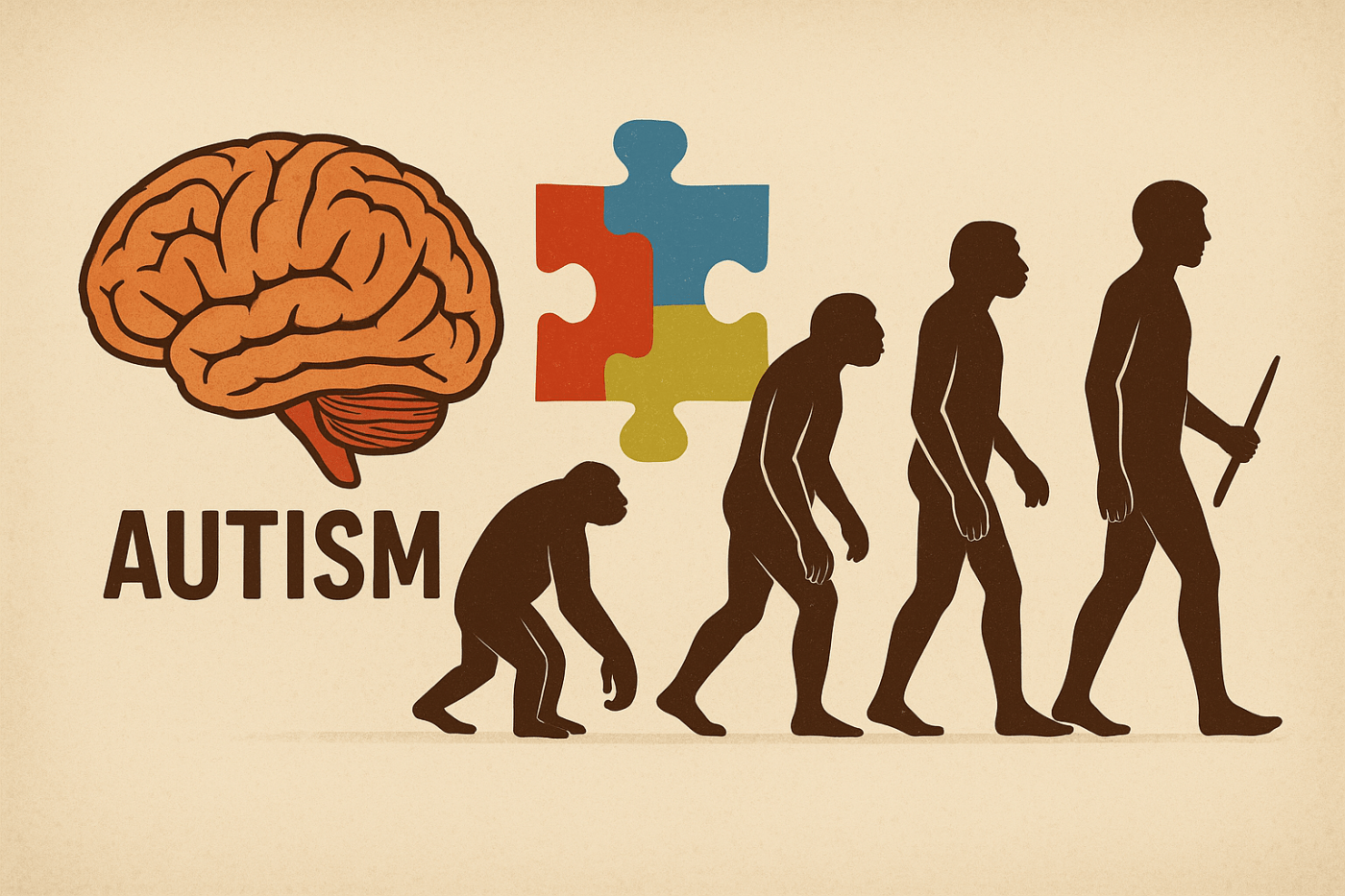
A new paper in Molecular Biology and Evolution, published by Oxford University Press, finds that the relatively high rate of Autism-spectrum disorders in humans is likely due to how humans evolved in the past. About one in 31 (3.2%) children in the... Continue Reading →
Stanford Medicine scientists investigating the neurological basis of autism spectrum disorder (ASD) have found that hyperactivity in a specific brain region could drive behaviors commonly associated with the disorder. Using the Cntnap2 knockout mouse model, the researchers, led by John Huguenard, PhD,... Continue Reading →

Having an epidural during childbirth is not associated with a greater risk of autism in the child, according to a study led by researchers at the Stanford University School of Medicine and the University of Manitoba. The study, which was published online... Continue Reading →

A study in experimental models suggests that allopregnanolone, one of many hormones produced by the placenta during pregnancy, is so essential to normal fetal brain development that when provision of that hormone decreases or stops abruptly - as occurs with... Continue Reading →

Scientist have identified a link between exposure to high levels of oestrogen sex hormones in the womb and the likelihood of developing autism. The findings are published in the journal Molecular Psychiatry. The discovery adds further evidence to support the prenatal... Continue Reading →

UNC School of Medicine scientists unveiled how a particular gene helps organize the scaffolding of brain cells called radial progenitors necessary for the orderly formation of the brain. Previous studies have shown that this gene is mutated in some people... Continue Reading →
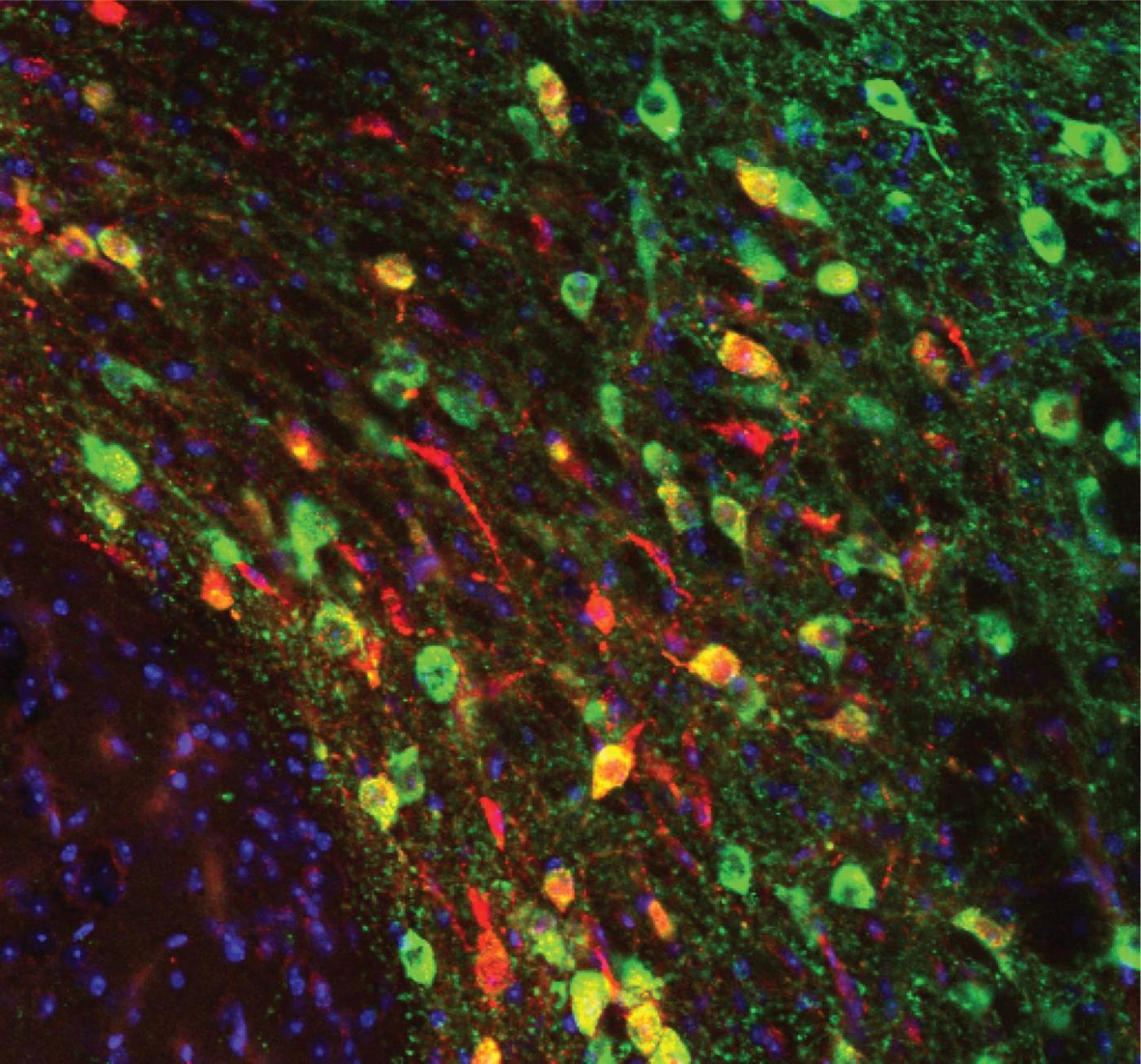
Autism spectrum disorders are a heterogeneous group of neurodevelopmental disorders, one of the main characteristics of which is impaired social communication. But what happens in patients' brains that disrupts their social skills? According to scientists from the Universities of Geneva... Continue Reading →
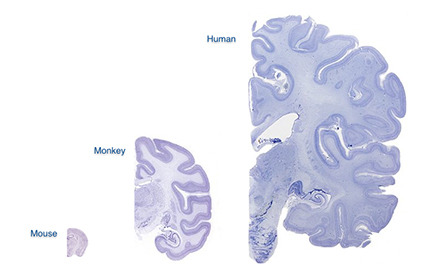
Researchers at King’s College London have discovered a fundamental process by which brains are built, which may have profound implications for understanding neurodevelopmental conditions like autism and epilepsy. The study, published in Nature and funded by the Wellcome Trust, also answers an... Continue Reading →

If a mother picks up an infection during pregnancy, her immune system will kick into action to clear the infection – but this self-defense mechanism may also have a small influence how her child’s brain develops in the womb, in... Continue Reading →
 Scents of Science