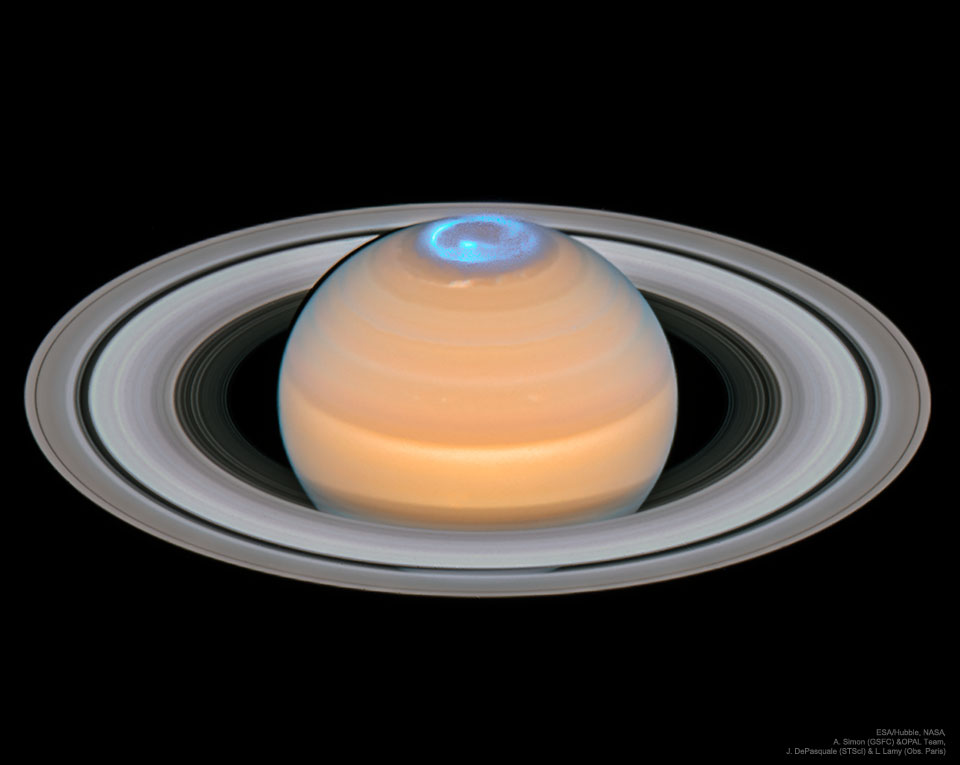
Are Saturn's auroras like Earth's? To help answer this question, the Hubble Space Telescope and the Cassini spacecraft monitored Saturn's North Pole simultaneously during Cassini's final orbits around the gas giant in September 2017. During this time, Saturn's tilt caused its North Pole to be clearly visible from Earth.... Continue Reading →
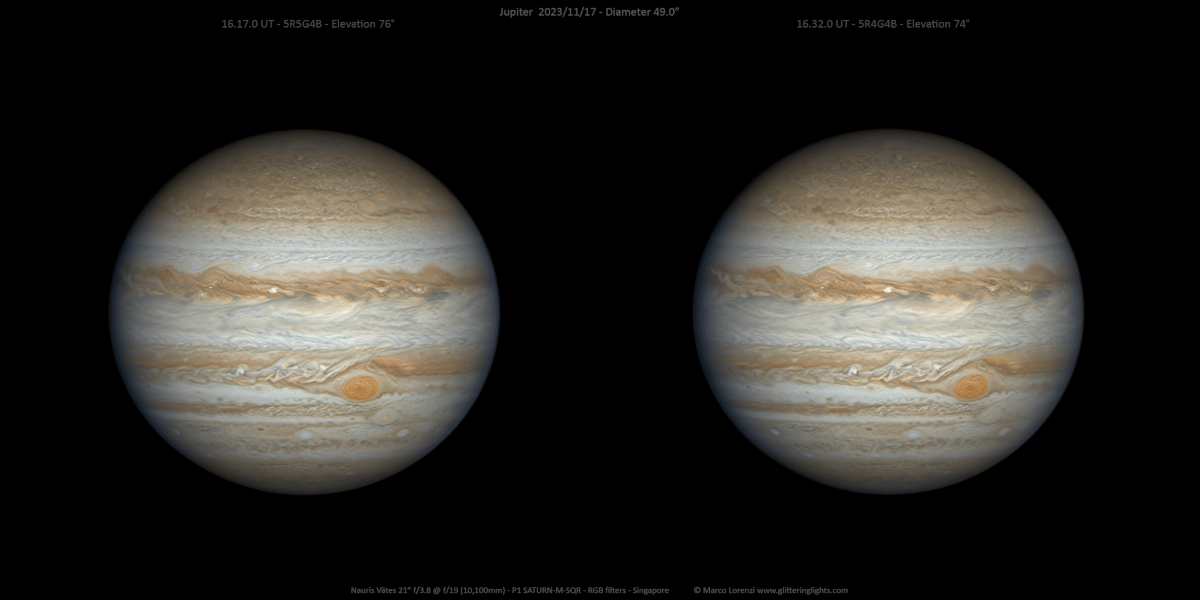
Jupiter looks sharp in these two rooftop telescope images. Both were captured last year on November 17 from Singapore, planet Earth, about two weeks after Jupiter's 2023 opposition. Climbing high in midnight skies the giant planet was a mere 33.4 light-minutes from... Continue Reading →
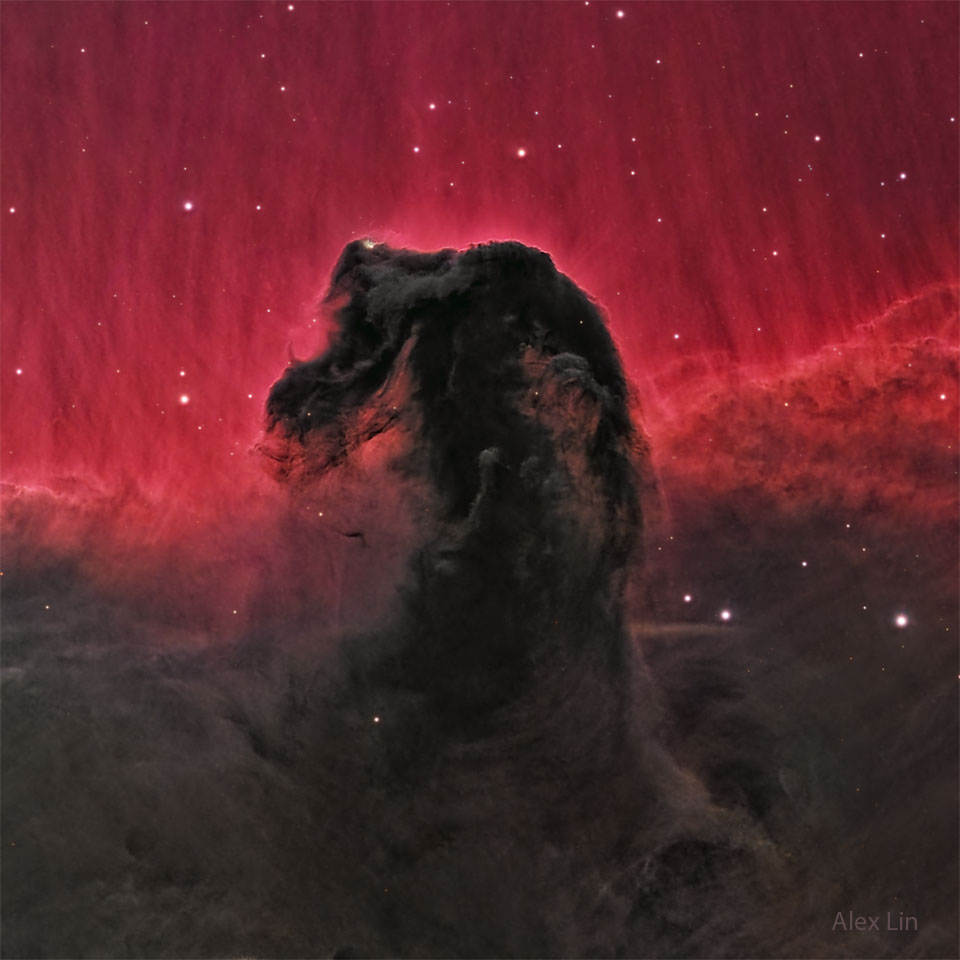
One of the most identifiable nebulas in the sky, the Horsehead Nebula in Orion, is part of a large, dark, molecular cloud. Also known as Barnard 33, the unusual shape was first discovered on a photographic plate in the late 1800s. The red glow originates from hydrogen gas predominantly behind the nebula,... Continue Reading →
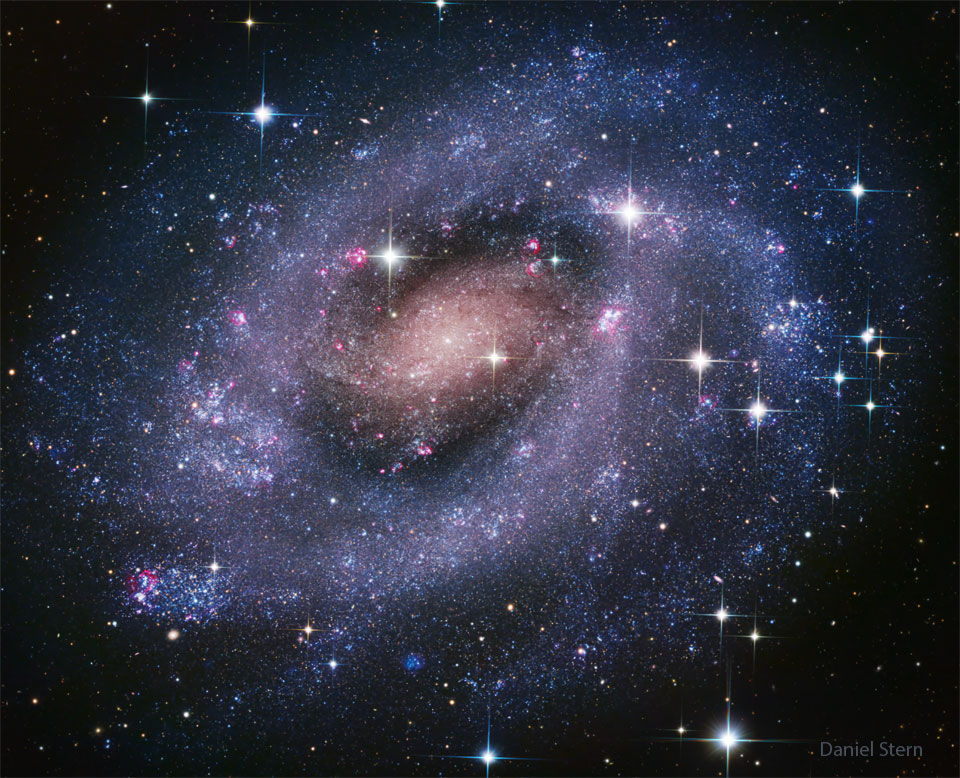
This galaxy is unusual for how many stars it seems that you can see. Stars are so abundantly evident in this deep exposure of the spiral galaxy NGC 300 because so many of these stars are bright blue and grouped into resolvable bright star... Continue Reading →

To some it looks like a cat's eye. To others, perhaps like a giant cosmic conch shell. It is actually one of the brightest and most highly detailed planetary nebula known, composed of gas expelled in the brief yet glorious phase near the end... Continue Reading →
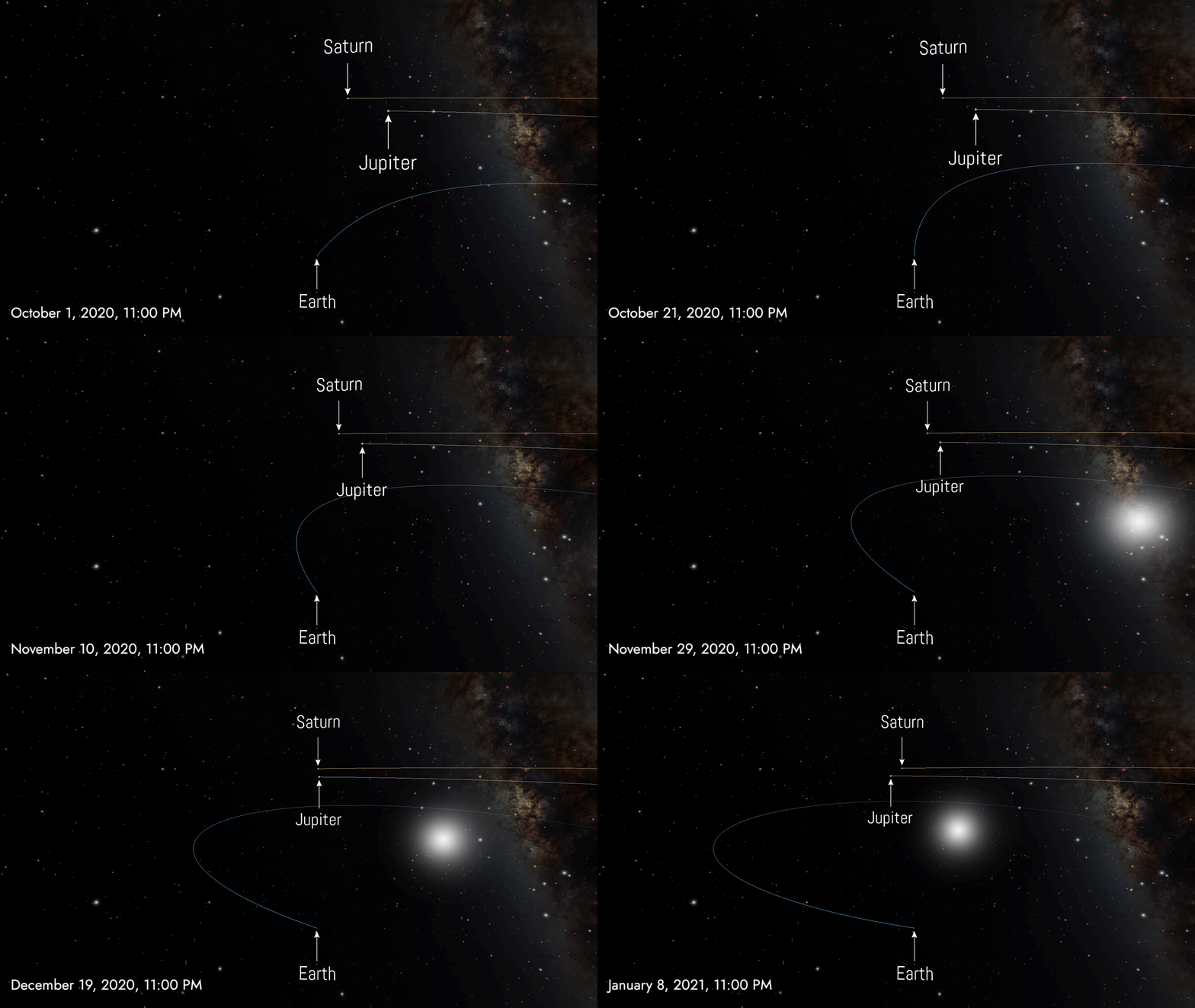
Jupiter and Saturn have gradually moved closer to each other over for months, and on December 21, the two worlds will be at their closest, around 1/5 of a full Moon apart. This is close enough that many telescopes may... Continue Reading →
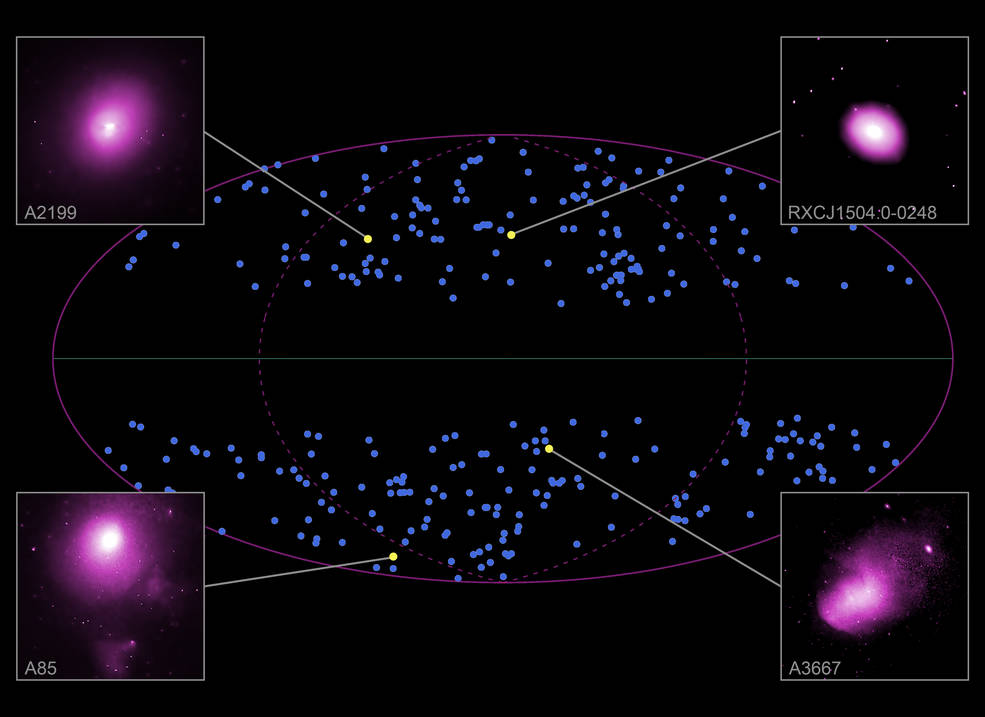
One of the fundamental ideas of cosmology is that everything looks the same in all directions if you look over large enough distances. A new study using data from NASA’s Chandra X-ray Observatory and ESA’s XMM-Newton is challenging that basic... Continue Reading →
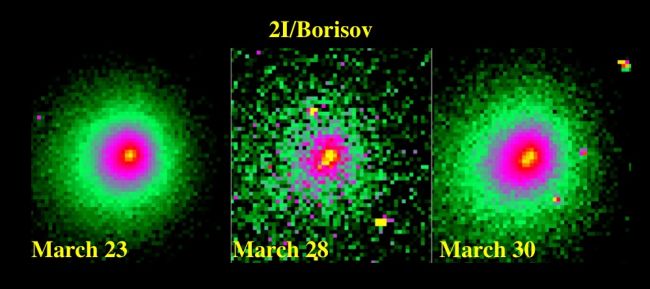
Our solar system's second known interstellar visitor doesn't seem to be in one piece anymore. Photos of the interstellar Comet Borisov taken by NASA's Hubble Space Telescope on March 28 and March 30 show an elongated nucleus that appears to have two... Continue Reading →

A stellar flare 10 times more powerful than anything seen on our sun has burst from an ultracool star almost the same size as Jupiter Coolest and smallest star to produce a superflare foundStar is a tenth of the radius... Continue Reading →
 Scents of Science