
DART is the first-ever mission dedicated to investigating and demonstrating one method of asteroid deflection by changing an asteroid’s motion in space through kinetic impact. This method will have DART deliberately collide with a target asteroid—which poses no threat to... Continue Reading →

New research suggests an unseen 'mirror world' of particles that interacts with our world only via gravity that might be the key to solving a major puzzle in cosmology today -- the Hubble constant problem. The Hubble constant is the... Continue Reading →

Gene editing may be a potential treatment for anxiety and alcohol use disorder in adults who were exposed to binge drinking in their adolescence, according to the results of an animal study published in the journal Science Advances. The study... Continue Reading →

The word sensitivity is thrown around a lot in relation to a number of different things. It can refer both to the senses – that is, our ability to perceive the world around us – or to our tendency to be affected... Continue Reading →
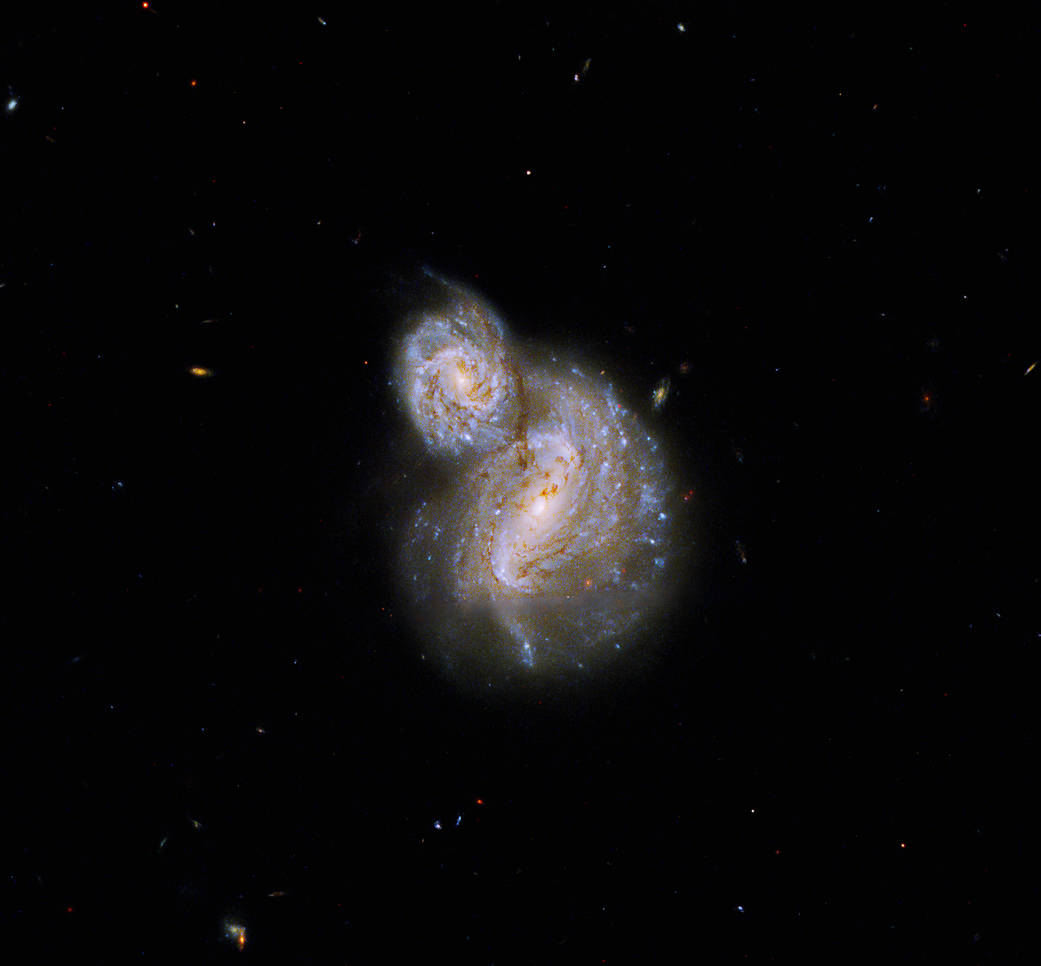
This new NASA Hubble Space Telescope image of IC 4271, also known as Arp 40, is a curious pair of spiral galaxies some 800 million light-years away. The smaller galaxy is superimposed on the larger one, which is a type... Continue Reading →
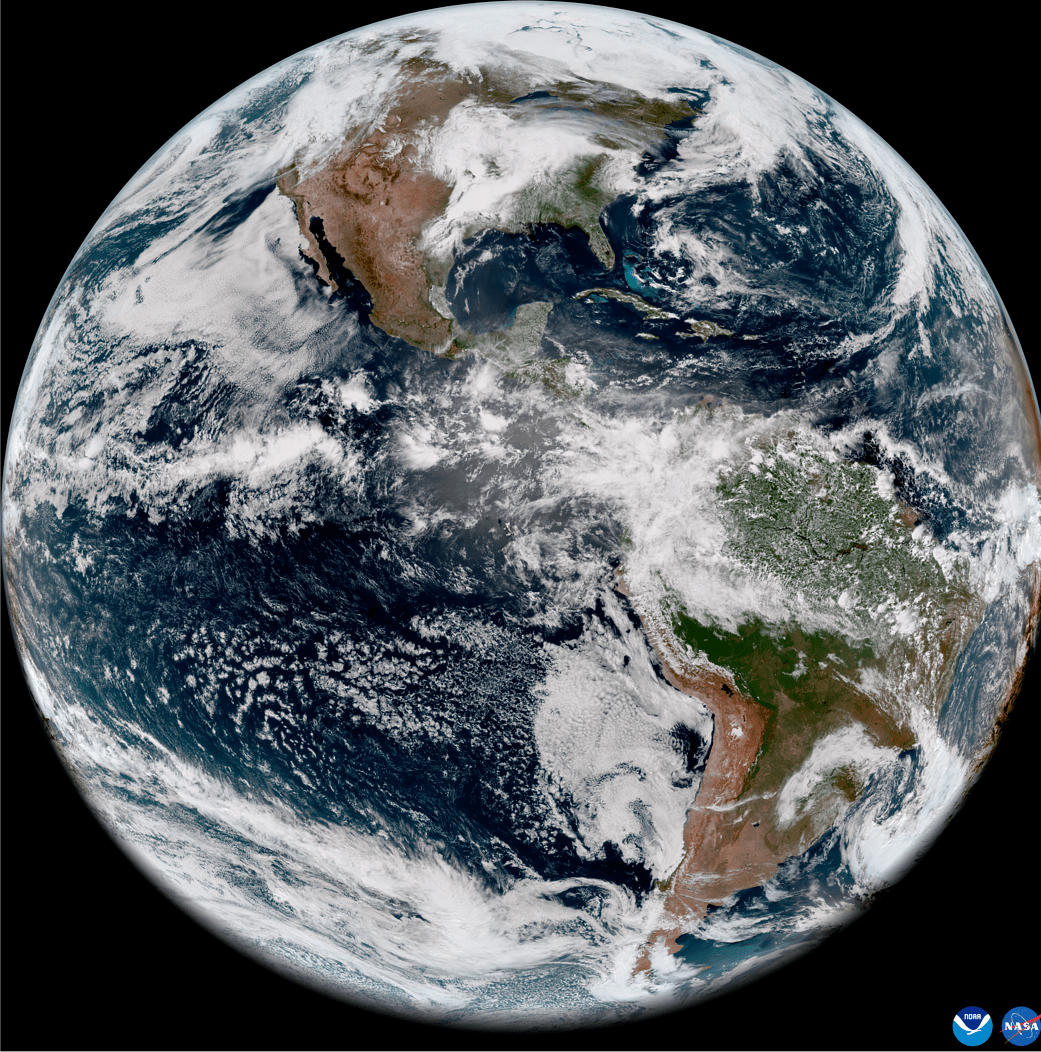
On May 11, 2022, the National Oceanic and Atmospheric Administration, or NOAA, shared the first images of the Western Hemisphere from its Geostationary Operational Environmental Satellite-T (GOES-T). Later designated GOES-18, the satellite’s Advanced Baseline Imager (ABI) instrument recently captured stunning views... Continue Reading →

Stars born with more than about 20 times the Sun’s mass end their lives as black holes. As the name implies, black holes don’t glow on their own because nothing can escape them, not even light. Until 2015, when astronomers... Continue Reading →
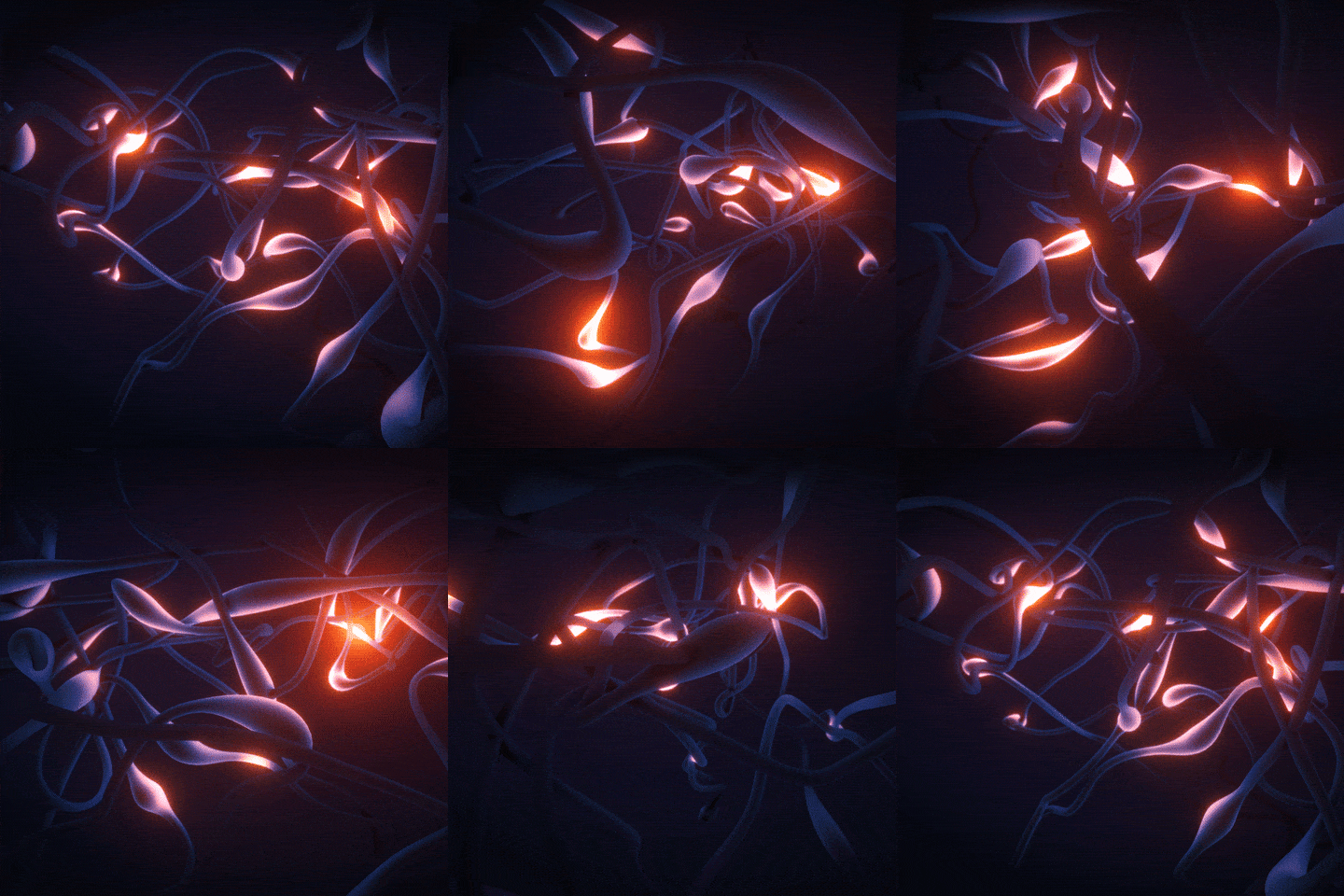
Studying mice, scientists at Washington University School of Medicine in St. Louis have identified a neural circuit and a neuropeptide -- a chemical messenger that carries signals between nerve cells -- that transmit the sensation known as pleasant touch from... Continue Reading →

Research from the Babraham Institute has developed a method to 'time jump' human skin cells by 30 years, turning back the ageing clock for cells without losing their specialised function. Work by researchers in the Institute's Epigenetics research programme has... Continue Reading →
 Scents of Science