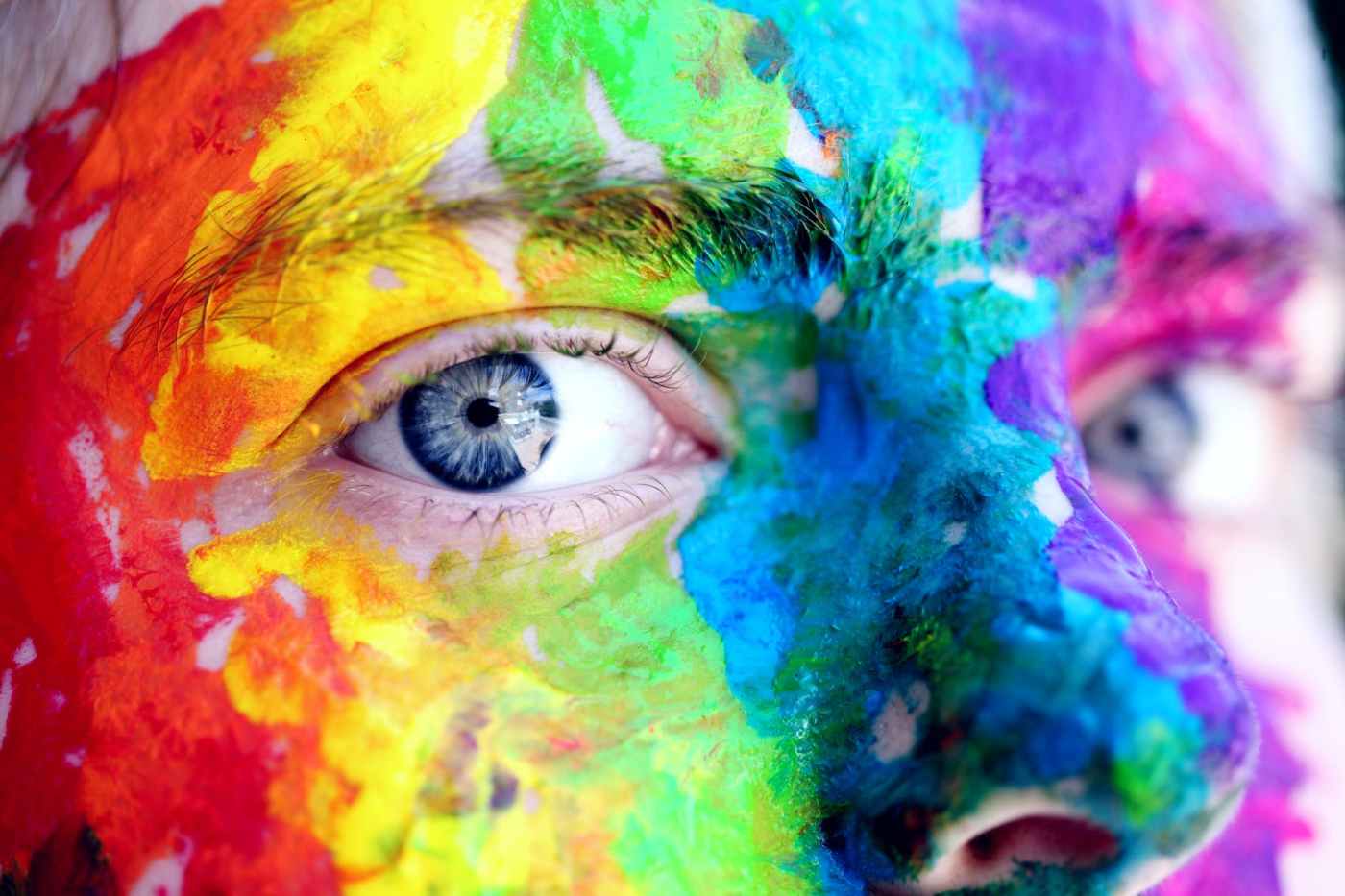
The human eye can physically perceive millions of colours. But we don’t all recognise these colours in the same way. Some people can’t see differences in colours – so called colour blindness – due to a defect or absence of the cells in... Continue Reading →
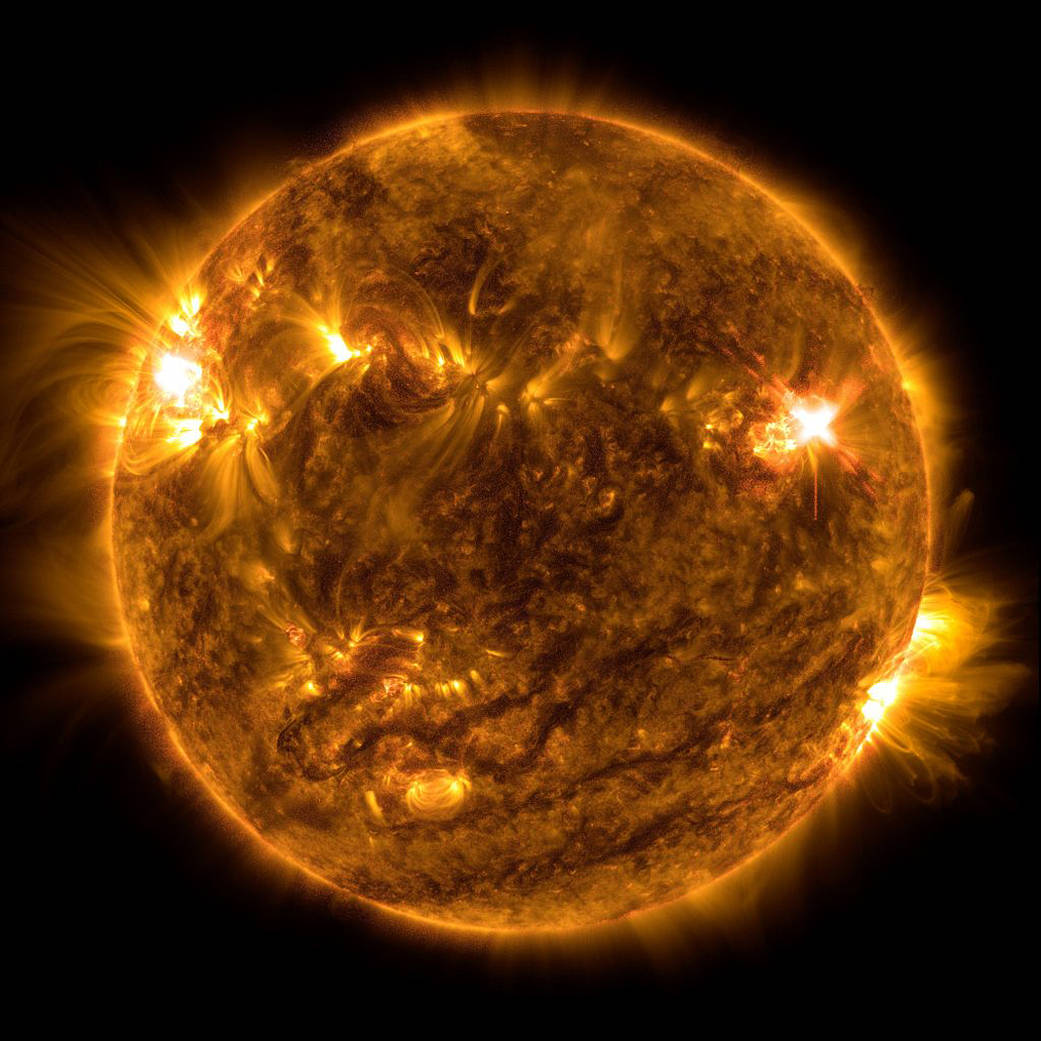
The Sun released an X1 solar flare, a powerful burst of energy, captured by Solar Dynamics Observatory (SDO) on Oct. 2, 2022. X-class are the most intense flares, while the number provides more information about its strength. For instance, an X1 flare is half... Continue Reading →

Why would x-ray rings appear around a gamma-ray burst? The surprising answer has little to do with the explosion itself but rather with light reflected off areas of dust-laden gas in our own Milky Way Galaxy. GRB 221009A was a tremendous explosion -- a... Continue Reading →
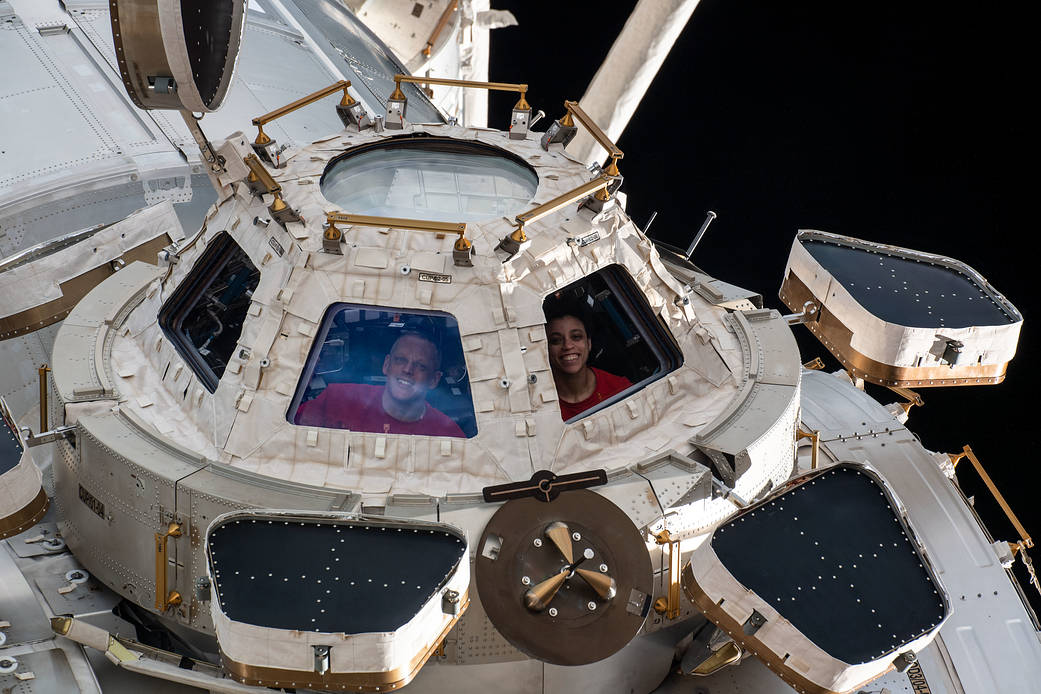
Expedition 67 flight engineers Bob Hines and Jessica Watkins are all smiles in this Sept. 12, 2022, image from the International Space Station cupola. The cupola is used to monitor the arrival of spaceships and to view the Earth. Hines,... Continue Reading →

The Full Moon of October 9th was the second Full Moon after the northern hemisphere autumnal equinox, traditionally called the Hunter's Moon. According to lore, the name is a fitting one because this Full Moon lights the night during a time... Continue Reading →

Researchers at Cardiff University have identified a peculiar twisting motion in the orbits of two colliding black holes, an exotic phenomenon predicted by Einstein’s theory of gravity. Their study, which is published in Nature and led by Professor Mark Hannam,... Continue Reading →

A new technique enables AI models to continually learn from new data on intelligent edge devices like smartphones and sensors, reducing energy costs and privacy risks. Microcontrollers, miniature computers that can run simple commands, are the basis for billions of... Continue Reading →

Astronomers have observed directly for the first time how intense light from stars can ‘push’ matter. Researchers from the universities of Cambridge and Sydney made the observation when tracking a giant plume of dust generated by the violent interactions between... Continue Reading →

What are those strange rings? Rich in dust, the rings are likely 3D shells -- but how they were created remains a topic of research. Where they were created is well known: in a binary star system that lies about 6,000 light years away toward the constellation of the Swan (Cygnus)... Continue Reading →
 Scents of Science