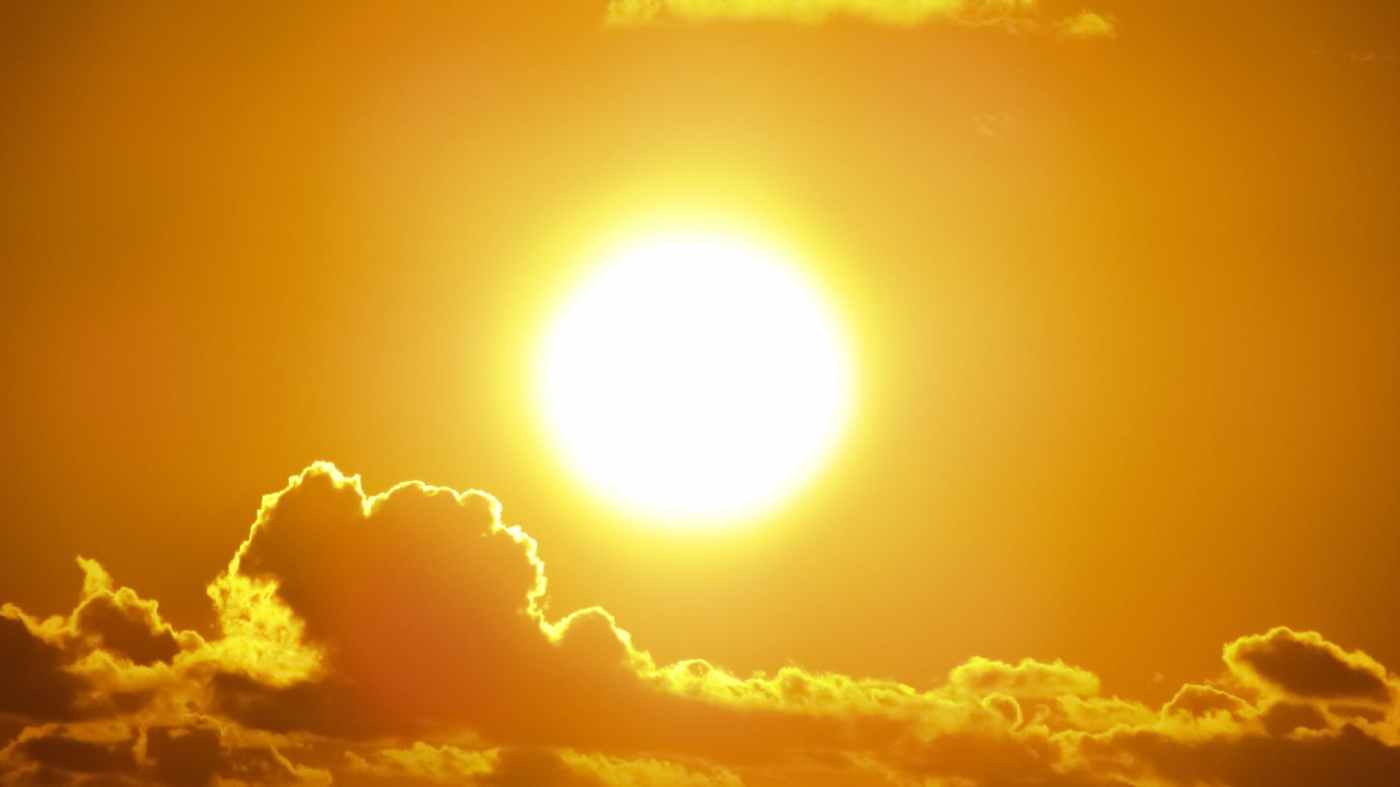
It’s the vitamin that we get from the sun, yet despite its ample availability, one in three Australian adults still suffer from mild, moderate or severe vitamin D deficiency. Now, new research from the University of South Australia gives strong evidence that vitamin D deficiency is... Continue Reading →
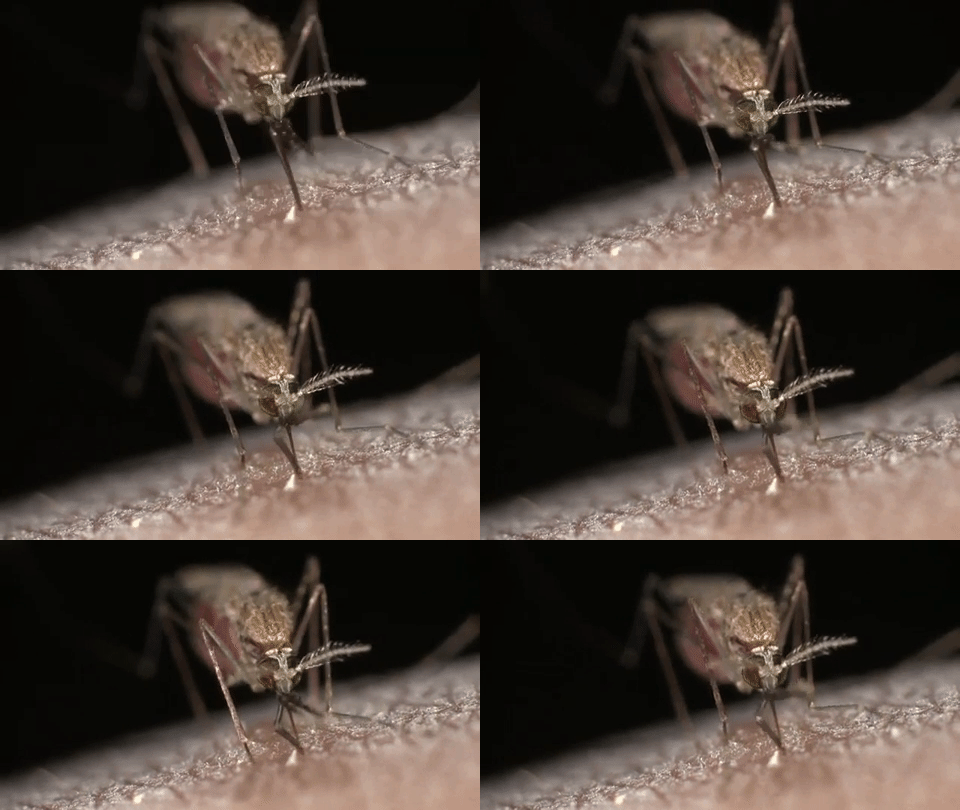
It’s impossible to hide from a female mosquito—she will hunt down any member of the human species by tracking our CO2 exhalations, body heat, and body odor. But some of us are distinct “mosquito magnets” who get more than our... Continue Reading →
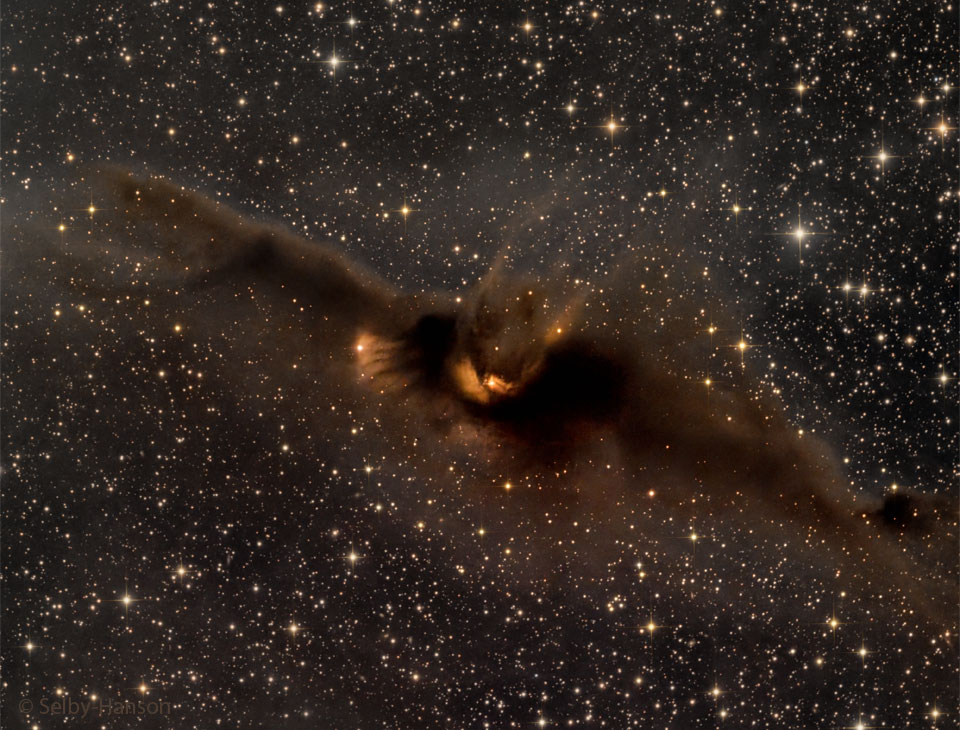
What is the most spook-tacular nebula in the galaxy? One contender is LDN 43, which bears an astonishing resemblance to a vast cosmic bat flying amongst the stars on a dark Halloween night. Located about 1400 light years away in the constellation Ophiuchus, this molecular cloud is dense enough to block... Continue Reading →

Peter Doig (Scottish, born April 12, 1959) is a painter renowned for his landscapes, inspired by his own itinerant lifestyle, and by the physical progressions of modern society. Born in Edinburgh, Doig lived in Trinidad, London, and Canada in his youth.... Continue Reading →
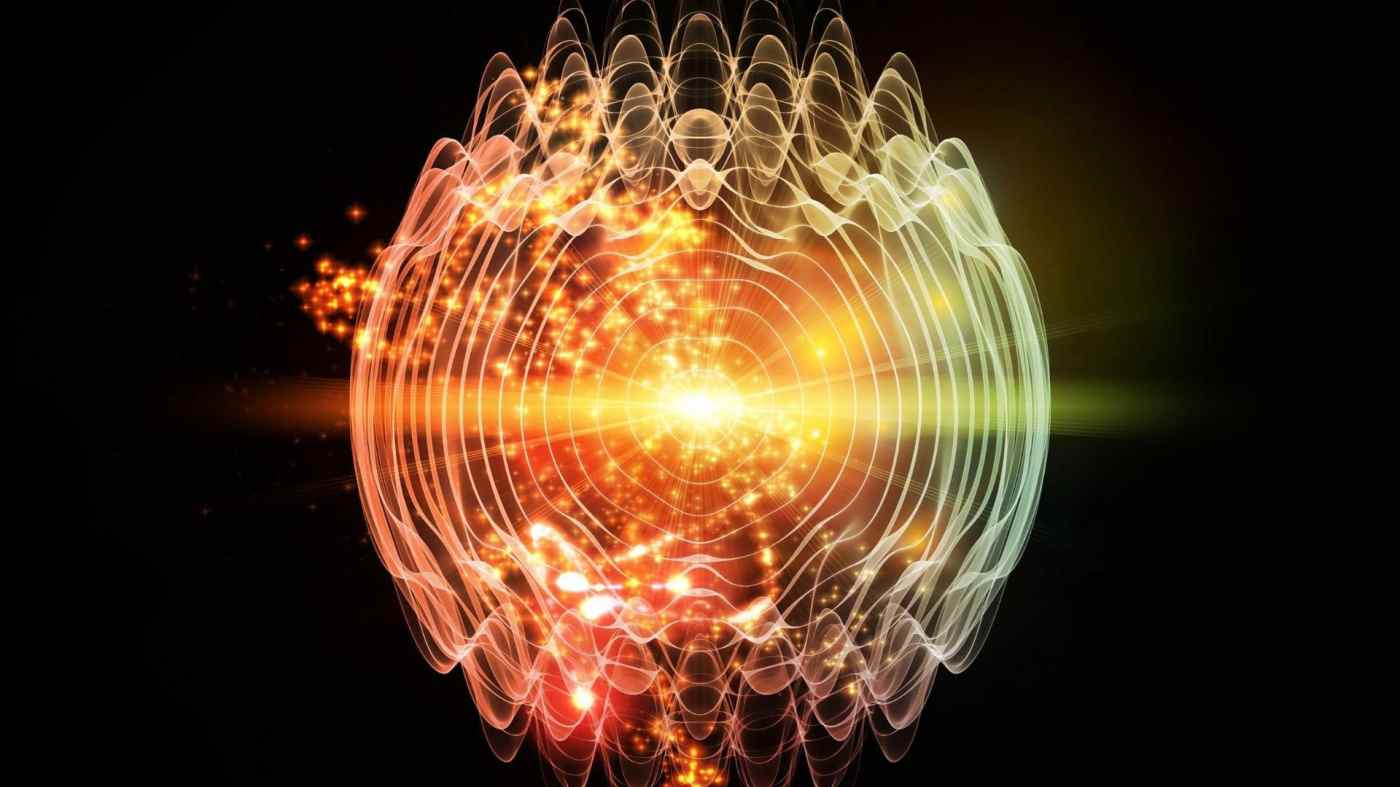
For the first time, physicists have observed novel quantum effects in a topological insulator at room temperature. Researchers at Princeton found that a material known as a topological insulator, made from the elements bismuth and bromine, exhibit specialized quantum behaviors... Continue Reading →
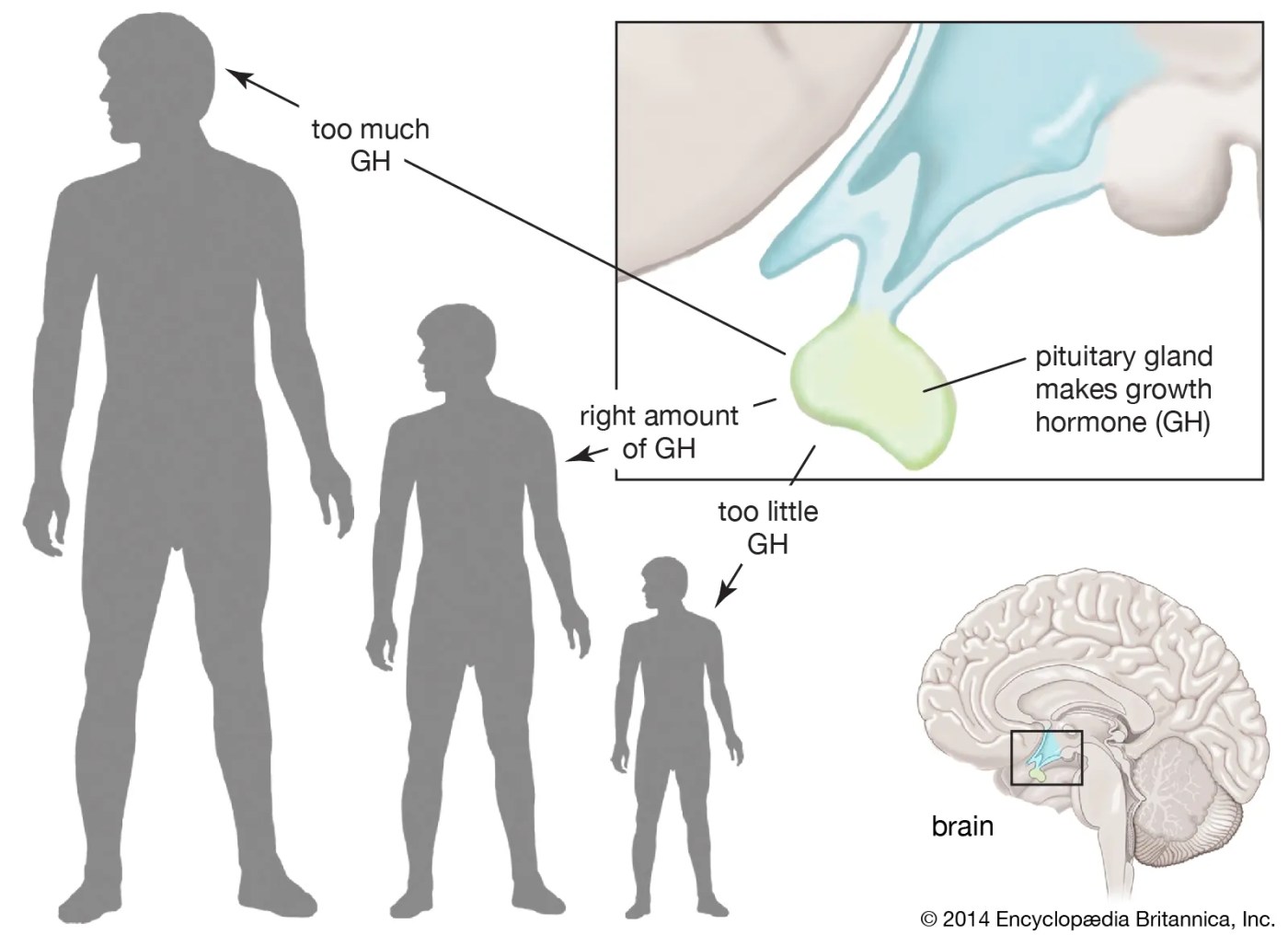
A study of mice led by Ohio University Heritage College of Osteopathic Medicine and Edison Biotechnology Institute researchers has shown that stopping the activity of growth hormone (GH) in fat cells can improve health and increase lifespan. Growth hormone is... Continue Reading →

How does something that looks like a stack of orange inner tubes covered in a black tarp survive temperatures reaching 3,000 degrees Fahrenheit as it plunges through the atmosphere? An upcoming technology demonstration uses advanced materials to make a heat... Continue Reading →

When does a nebula look like a comet? In this crowded starfield, covering over two degrees within the high flying constellation of the Swan (Cygnus), the eye is drawn to the Cocoon Nebula. A compact star forming region, the cosmic Cocoon punctuates a... Continue Reading →

Getting less than five hours of sleep in mid-to-late life could be linked to an increased risk of developing at least two chronic diseases, finds a new study led by UCL researchers. The research, published in PLOS Medicine, analysed the impact... Continue Reading →
 Scents of Science