
Staying well-hydrated may be associated with a reduced risk for developing heart failure, according to researchers at the National Institutes of Health. Their findings, which appear in the European Heart Journal, suggest that consuming sufficient amounts of fluids throughout life not... Continue Reading →

Scientists at the John A. Moran Eye Center at the University of Utah have discovered a new type of nerve cell, or neuron, in the retina. In the central nervous system a complex circuitry of neurons communicate with each other... Continue Reading →
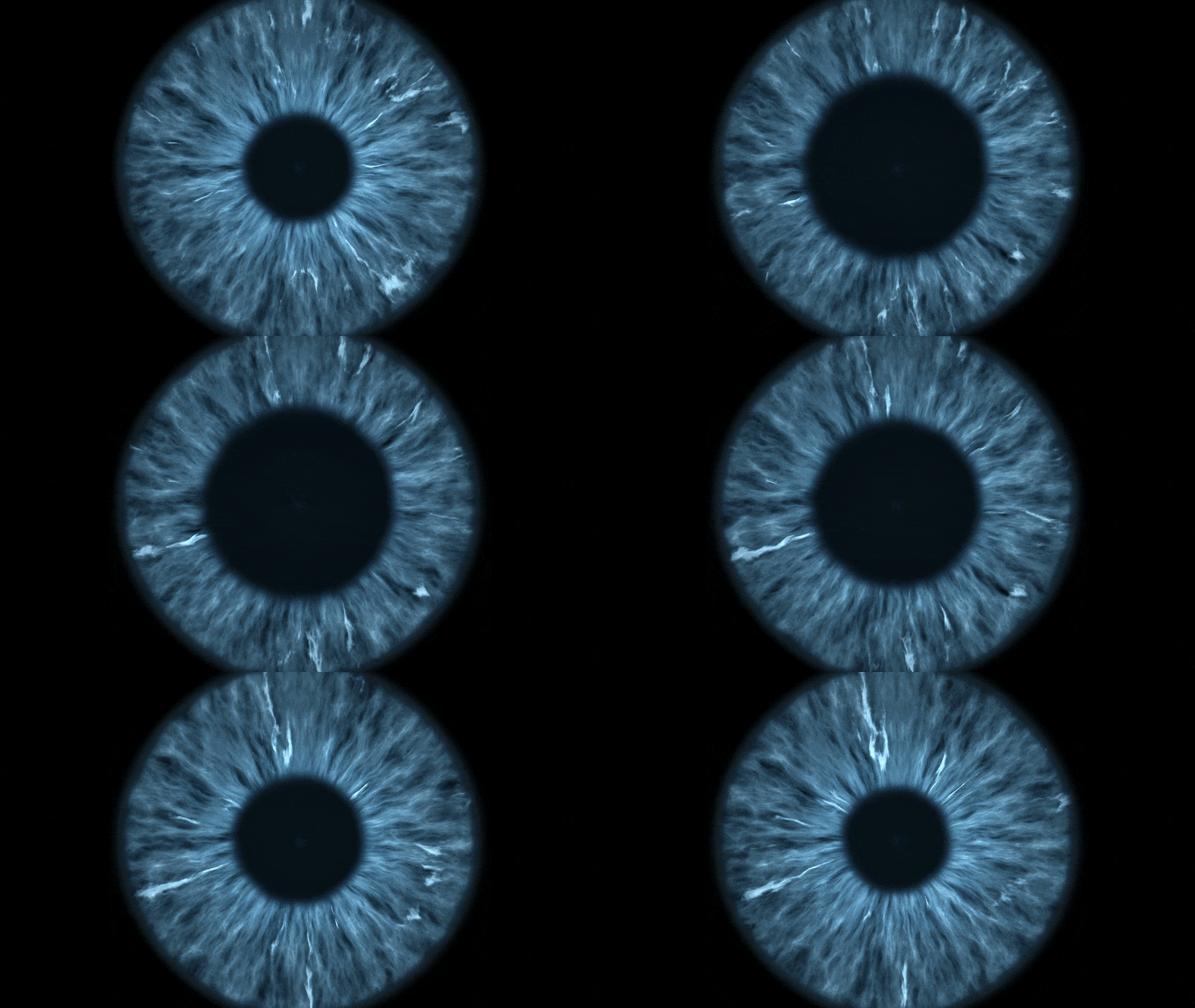
The history of life on Earth has often been likened to a four-billion-year-old torch relay. One flame, lit at the beginning of the chain, continues to pass on life in the same form all the way down. But what if... Continue Reading →

Legend has it that Marie Antoinette's hair turned gray overnight just before her beheading in 1791. Though the legend is inaccurate -- hair that has already grown out of the follicle does not change color, a new study from researchers... Continue Reading →
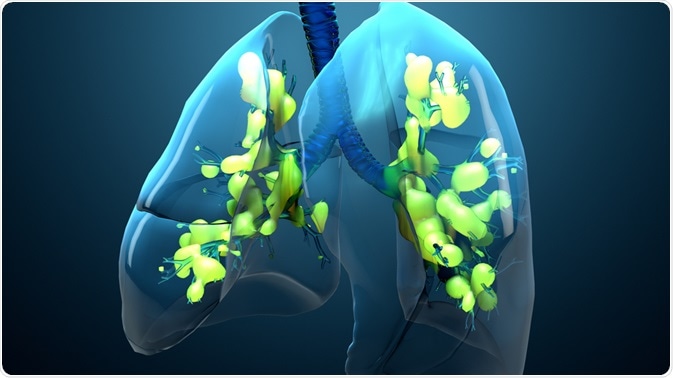
Scientists are still solving the many puzzling aspects of how the novel coronavirus attacks the lungs and other parts of the body. One of the biggest and most life-threatening mysteries is how the virus causes "silent hypoxia," a condition when... Continue Reading →
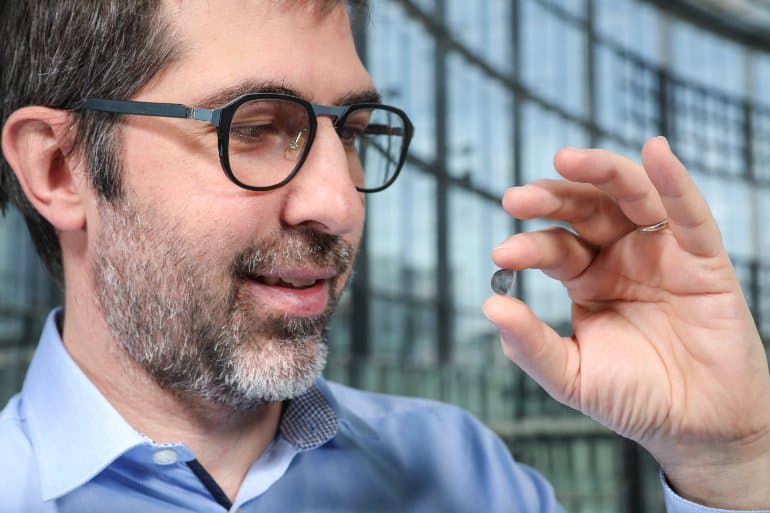
A team of EPFL engineers has developed technology that could partially restore vision in blind people. The study is published in Communications Materials. Restoring eyesight has always been one of the biggest challenges for scientists. Diego Ghezzi, who holds the Medtronic... Continue Reading →

A new study of the U.K. and South Africa variants of SARS-CoV-2 predicts that current vaccines and certain monoclonal antibodies may be less effective at neutralizing these variants and that the new variants raise the specter that reinfections could be... Continue Reading →

Researchers using MRI have found significant abnormalities in the eyes of some people with severe COVID-19, according to a study published in the journal Radiology. The study results support the need for eye screening in these patients to provide appropriate treatment... Continue Reading →

In a recurring pattern of evolution, SARS-CoV-2 evades immune responses by selectively deleting small bits of its genetic sequence, according to new research from the University of Pittsburgh School of Medicine. Since these deletions happen in a part of the... Continue Reading →
 Scents of Science