
Certain stem cells have a unique ability to move between growth compartments in hair follicles, but get stuck as people age and so lose their ability to mature and maintain hair color, a new study shows. Led by researchers from... Continue Reading →

A preclinical study using stem cells to produce progenitor photoreceptor cells—light-detecting cells found in the eye—and then transplanting these into experimental models of damaged retinas has resulted in significant vision recovery. This finding, by scientists at Duke-NUS Medical School, the... Continue Reading →
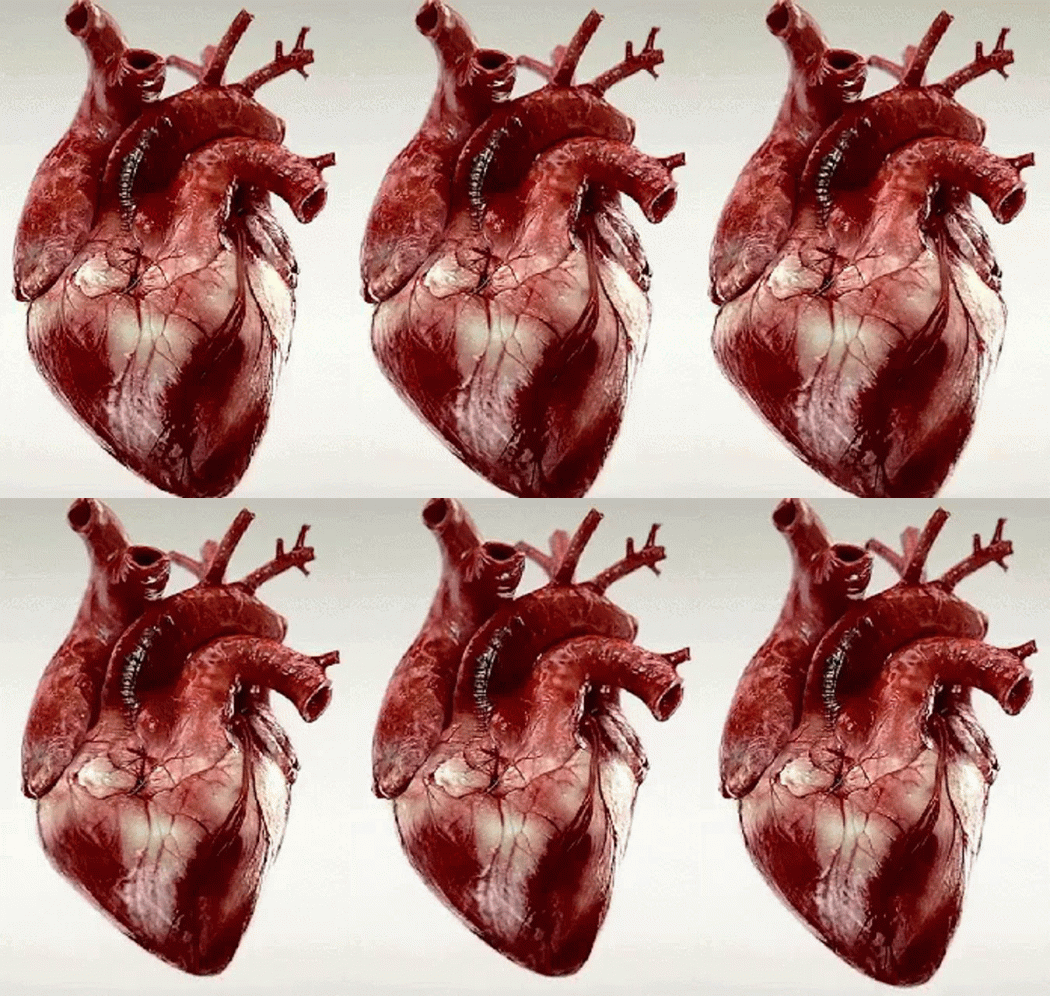
In adolescents, sedentary time may increase heart size three times more than moderate-to-vigorous physical activity, a paper published in the Scandinavian Journal of Medicine & Science in Sports concludes. The study was conducted in collaboration between the University of Bristol in the... Continue Reading →

Having high blood pressure in your 30s is associated with worse brain health around age 75, especially for men, according to a new UC Davis study. The research, published this week in JAMA Network Open, compared magnetic resonance imaging (MRI) brain scans... Continue Reading →

Researchers from The University of Texas Health Science Center at San Antonio (UT Health San Antonio) have developed a small-molecule drug that prevents weight gain and adverse liver changes in mice fed a high-sugar, high-fat Western diet throughout life. “When... Continue Reading →

A growing pile of evidence indicates that the tens of trillions of microbes that normally live in our intestines — the so-called gut microbiome — have far-reaching effects on how our bodies function. Members of this microbial community produce vitamins,... Continue Reading →

This amazing feat was achieved with optical traps, which use a highly focused laser beam to hold and move tiny objects. Although optical traps have been used to move individual atoms before, this is the first time an atom has... Continue Reading →

Researchers from Imperial’s School of Public Health have produced the most comprehensive assessment to date of the association between ultra-processed foods and the risk of developing cancers. Ultra-processed foods are food items which have been heavily processed during their production,... Continue Reading →
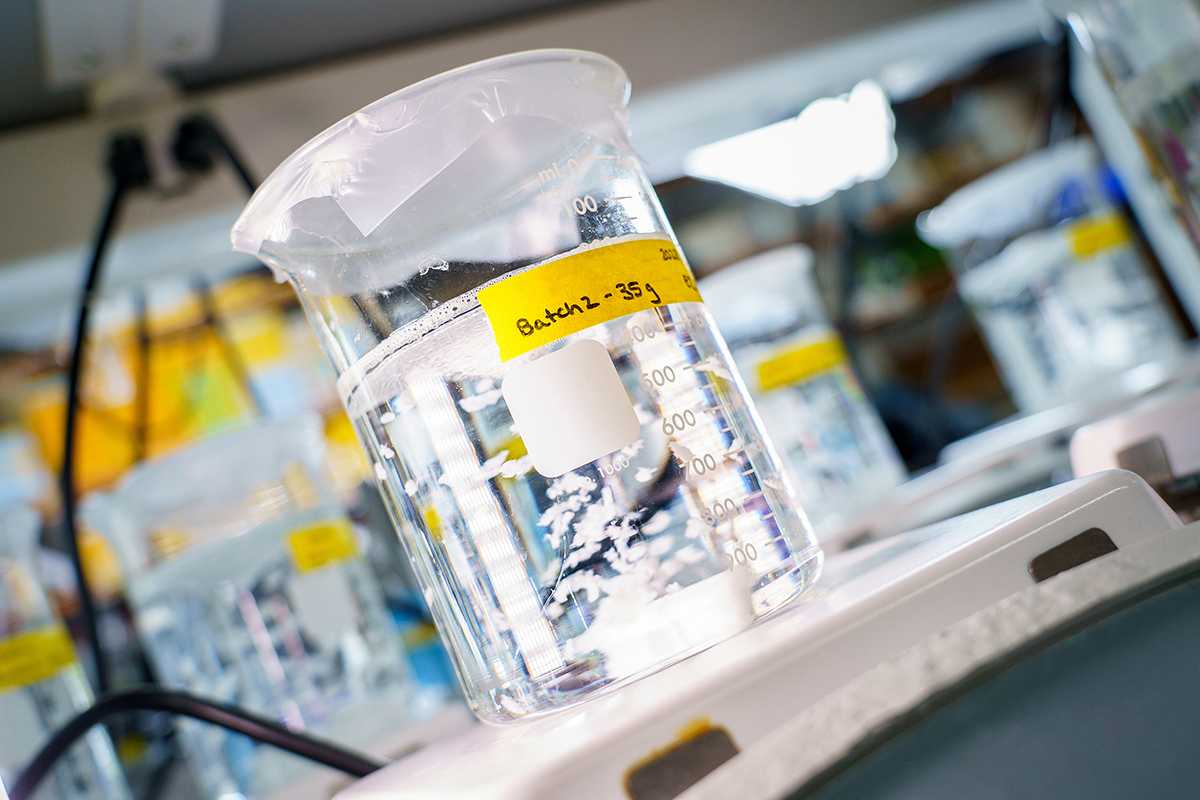
A new biomaterial that can be injected intravenously, reduces inflammation in tissue and promotes cell and tissue repair. The biomaterial was tested and proven effective in treating tissue damage caused by heart attacks in both rodent and large animal models.... Continue Reading →
 Scents of Science