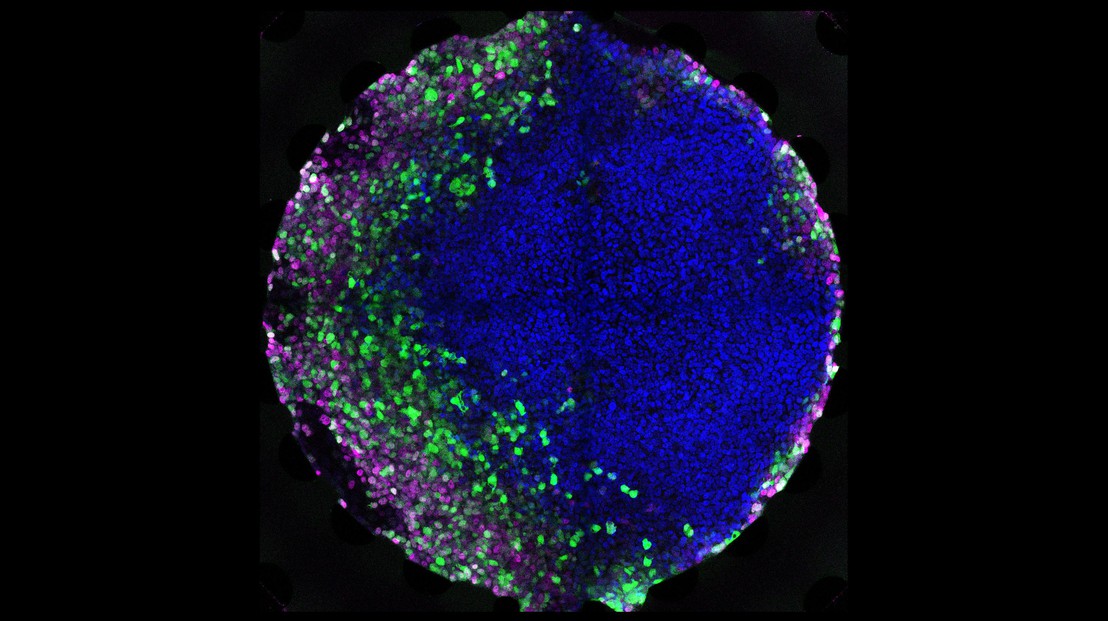
It's no surprise that using human embryos for biological and medical research comes with many ethical concerns. Correct though it is to proceed with caution in these matters, the fact is that much science would benefit from being able to... Continue Reading →

Princeton University researchers have discovered that learned behaviors can be inherited for multiple generations in C. elegans, transmitted from parent to progeny via eggs and sperm cells. The paper detailing this finding, by Rebecca Moore, Rachel Kaletsky and Coleen Murphy, appears... Continue Reading →
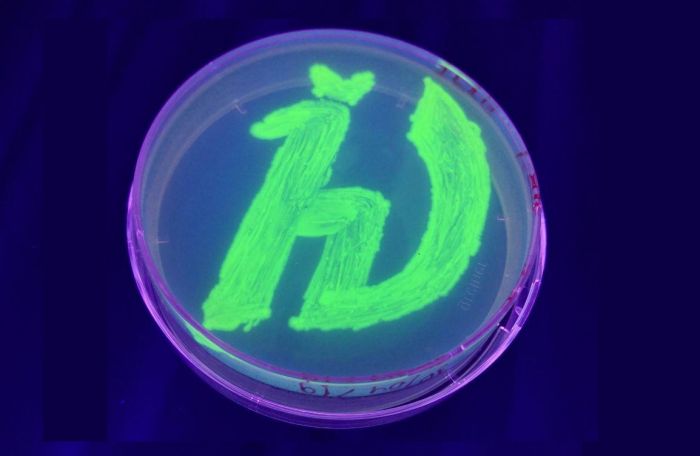
Biophysicists from the Moscow Institute of Physics and Technology have joined forces with colleagues from France and Germany to create a new fluorescent protein. Besides glowing when irradiated with ultraviolet and blue light, it is exceedingly small and stable under... Continue Reading →

Research from Washington State University could provide government regulators with powerful new tools for addressing a bevy of commercial claims and other concerns as non-medical marijuana, hemp and CBD products become more commonplace. The new analysis of the genetic and... Continue Reading →
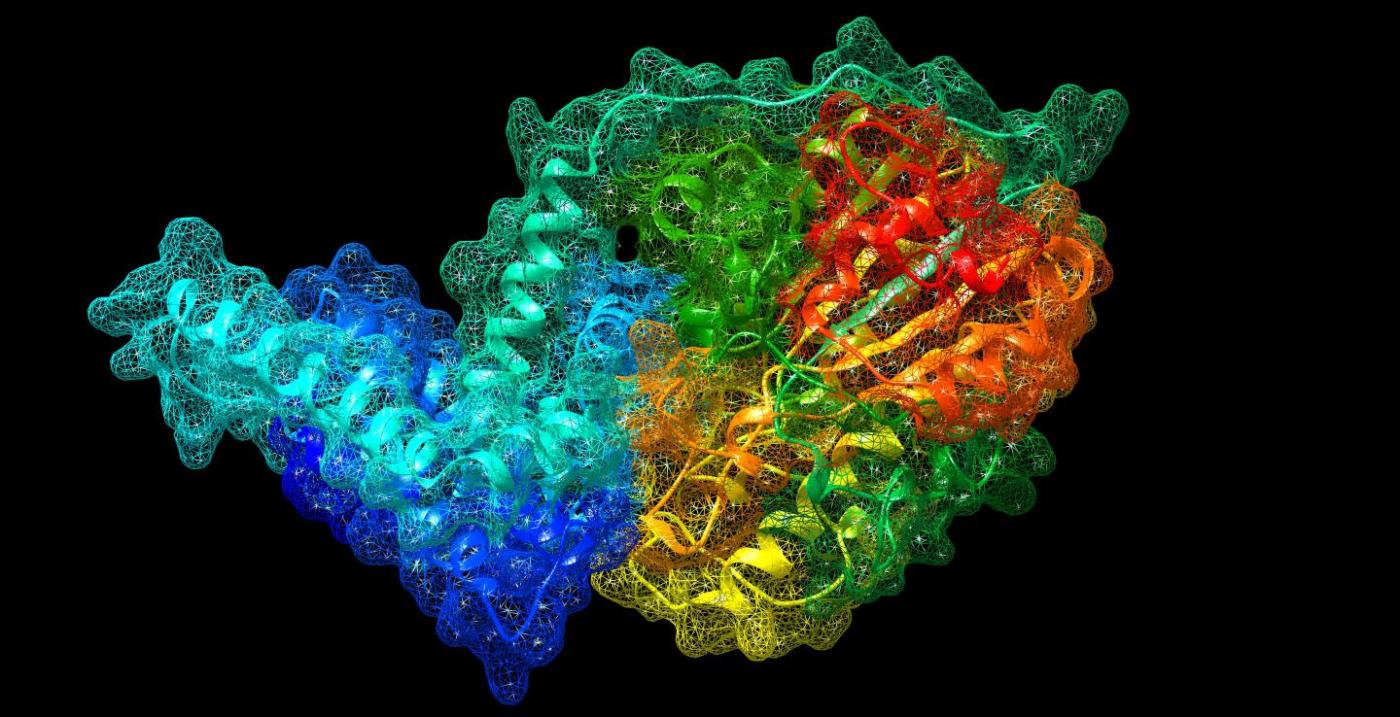
While sifting through the bacterial genome of salmonella, Cornell University food scientists discovered mcr-9, a new stealthy, jumping gene so diabolical and robust that it resists one of the world's few last-resort antibiotics. Doctors deploy the antibiotic colistin when all... Continue Reading →

Our genetics suggest beverage preferences hinge on psychoactive effects. First genome-wide test for bitter or sweet beverage preferences'People like the way coffee and alcohol make them feel'Beverage choices are more about mental reward than taste Why do you swig bitter,... Continue Reading →
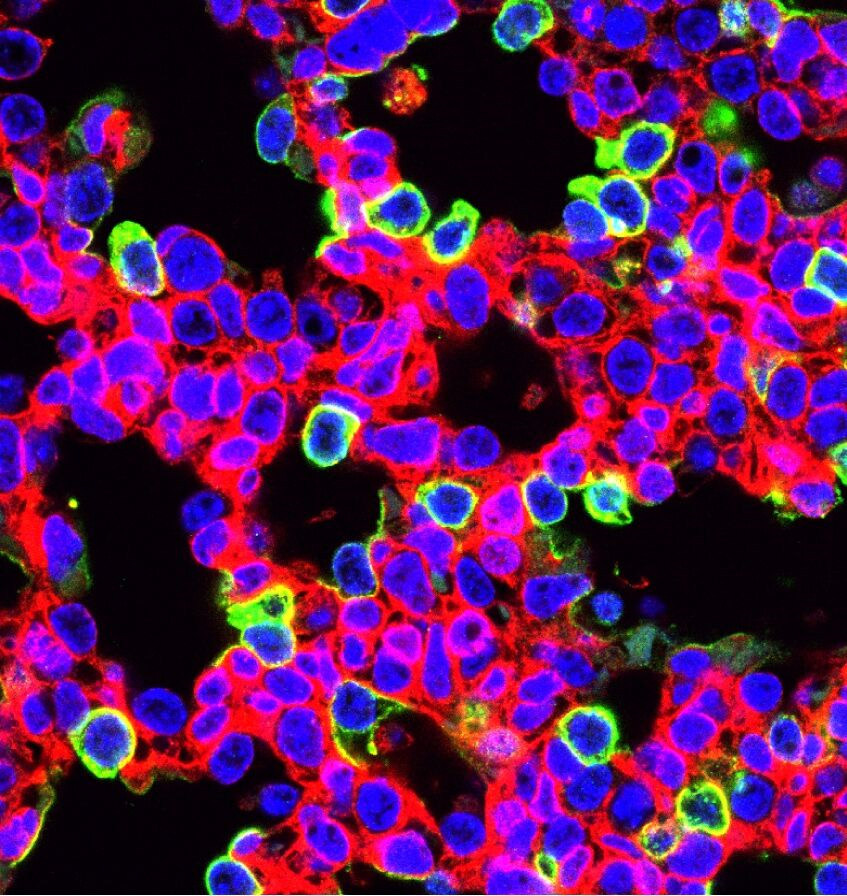
Using CRISPR gene editing, a team from Children's Hospital of Philadelphia (CHOP)and Penn Medicine have thwarted a lethal lung disease in an animal model in which a harmful mutation causes death within hours after birth. This proof-of-concept study, published today in Science Translational Medicine,... Continue Reading →
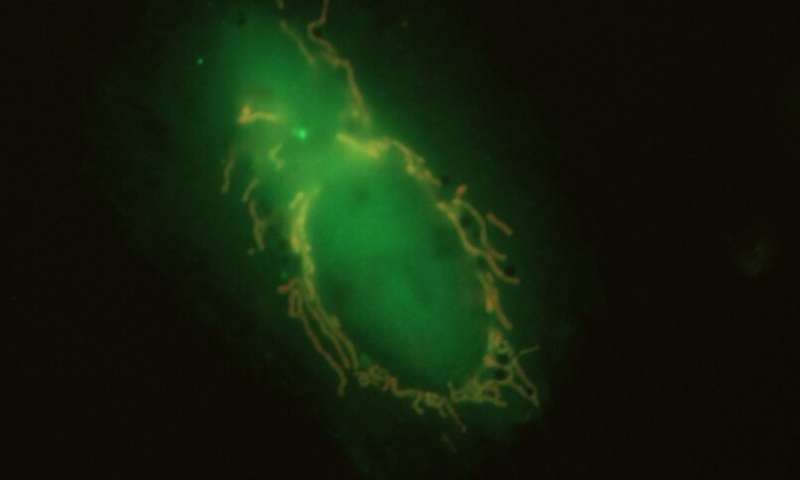
When mitochondria become damaged, they avoid causing further problems by signaling cellular proteins to degrade them. In a paper publishing April 11, 2019, in the journal Developmental Cell, scientists in Norway report that they have discovered how the cells trigger this... Continue Reading →

A new study out of Loma Linda University Health suggests that eating red and processed meats -- even in small amounts -- may increase the risk of death from all causes, especially cardiovascular disease. Saeed Mastour Alshahrani, lead author of... Continue Reading →
 Scents of Science