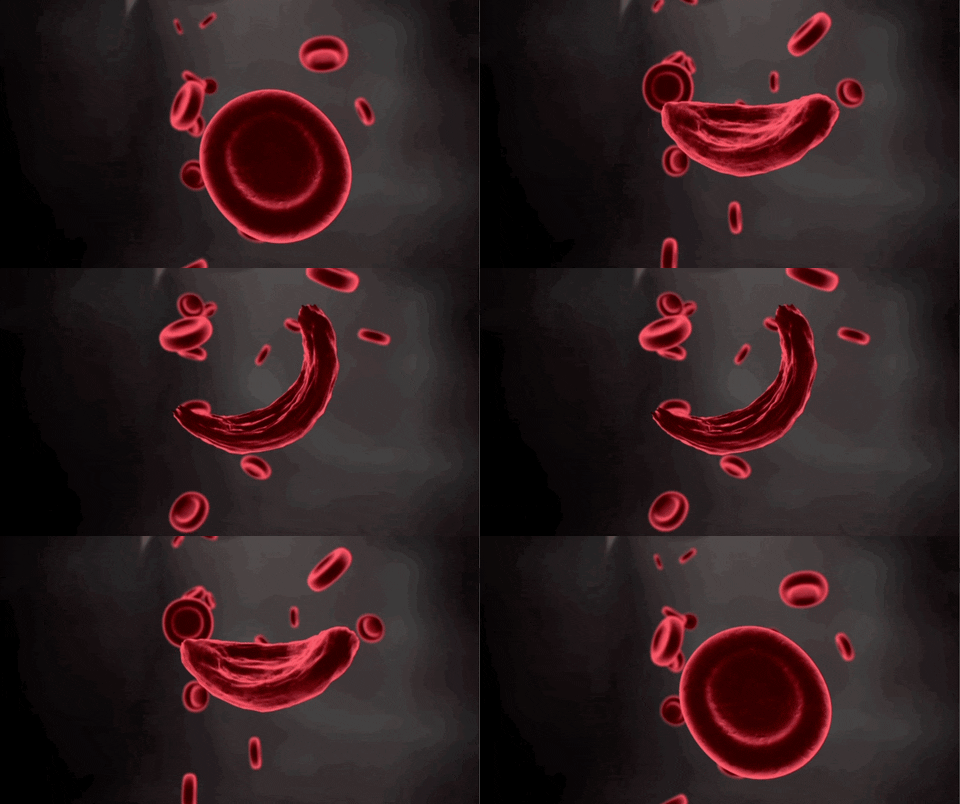
In a paper published in the July 31 issue of Science Translational Medicine, researchers at Fred Hutchinson Cancer Research Center used CRISPR-Cas9 to edit long-lived blood stem cells to reverse the clinical symptoms observed with several blood disorders, including sickle cell... Continue Reading →

A study of newborn infants has identified a compound produced by gut bacteria that appears to predispose certain infants to allergies and asthma later in life. “We have discovered a specific bacterial lipid in the neonatal gut that promotes immune dysfunction... Continue Reading →

A team of researchers from Carnegie Mellon University has published a paper in Science that details a new technique allowing anyone to 3D bioprint tissue scaffolds out of collagen, the major structural protein in the human body. This first-of-its-kind method brings the... Continue Reading →
Medical consensus once supported daily use of low dose aspirin to prevent heart attack and stroke in people at increased risk for cardiovascular disease (CVD). But in 2018, three major clinical trials cast doubt on that conventional wisdom, finding few... Continue Reading →

University of Calgary researchers are the first to discover a previously unidentified cell population in the pericardial fluid found inside the sac around the heart. The discovery could lead to new treatments for patients with injured hearts. The study led... Continue Reading →
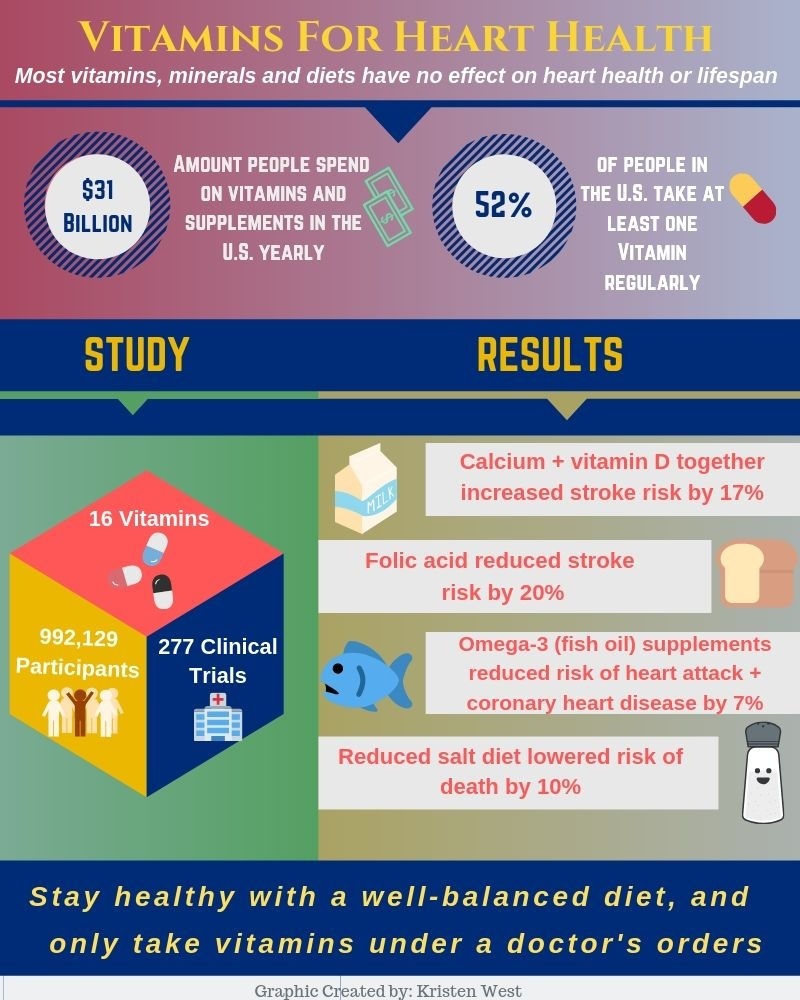
In a massive new analysis of findings from 277 clinical trials using 24 different interventions, Johns Hopkins Medicine researchers say they have found that almost all vitamin, mineral and other nutrient supplements or diets cannot be linked to longer life... Continue Reading →

A molecular "trick" that kept our ancient ancestors from starving may now be contributing to the obesity epidemic, a new study finds. In starvation times, researchers say, animals were more likely to survive if they could hoard and stretch out... Continue Reading →

Within the next 80 years, the world's population is expected to top 11 billion, creating a rise in global food demand -- and presenting an unavoidable challenge to food production and distribution. But a new article published in Nature Sustainability describes how... Continue Reading →
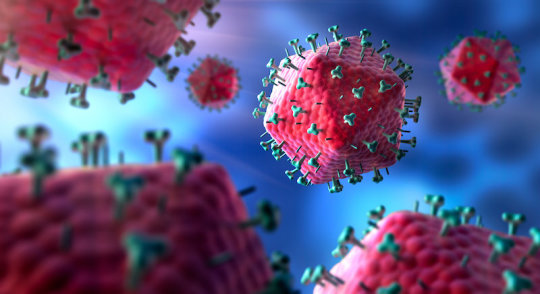
In a major collaborative effort, researchers at the Lewis Katz School of Medicine at Temple University and the University of Nebraska Medical Center (UNMC) have for the first time eliminated replication-competent HIV-1 DNA -- the virus responsible for AIDS --... Continue Reading →
 Scents of Science