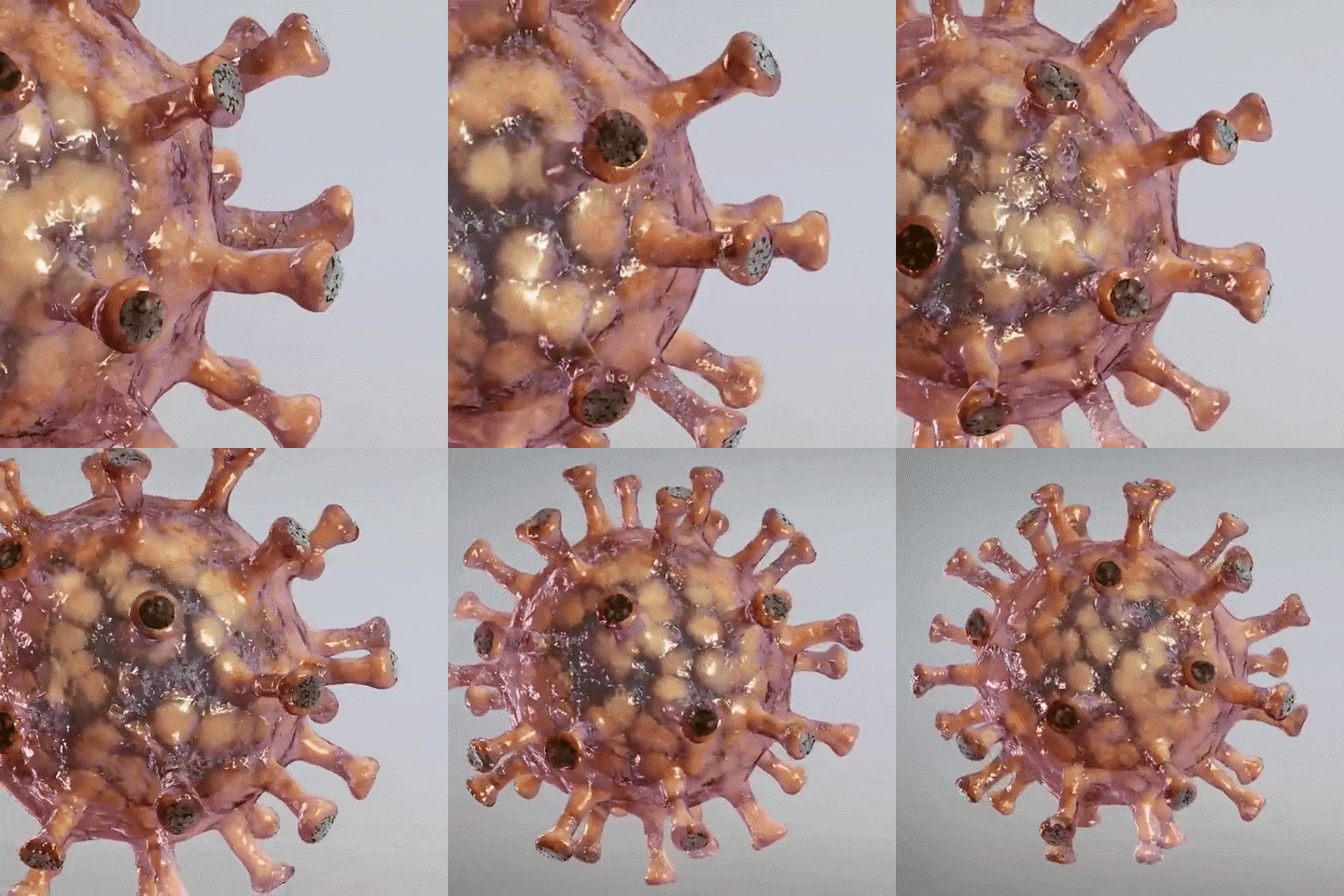
James Diaz, MD, MHA, MPH & TM, Dr PH, Professor and Head of Environmental Health Sciences at LSU Health New Orleans School of Public Health, has proposed a possible explanation for the severe lung complications being seen in some people... Continue Reading →

For more than a week, people have been sharing an eyebrow-raising report that the novel coronavirus can live for 24 hours on cardboard, and up to three days on plastic and stainless steel. It can, but the details are more... Continue Reading →

The virus that causes coronavirus disease 2019 (COVID-19) is stable for several hours to days in aerosols and on surfaces, according to a new study from National Institutes of Health, CDC, UCLA and Princeton University scientists in The New England Journal... Continue Reading →

Scientists from the Monell Center report that functional olfactory receptors, the sensors that detect odors in the nose, are also present in human taste cells found on the tongue. The findings suggest that interactions between the senses of smell and... Continue Reading →
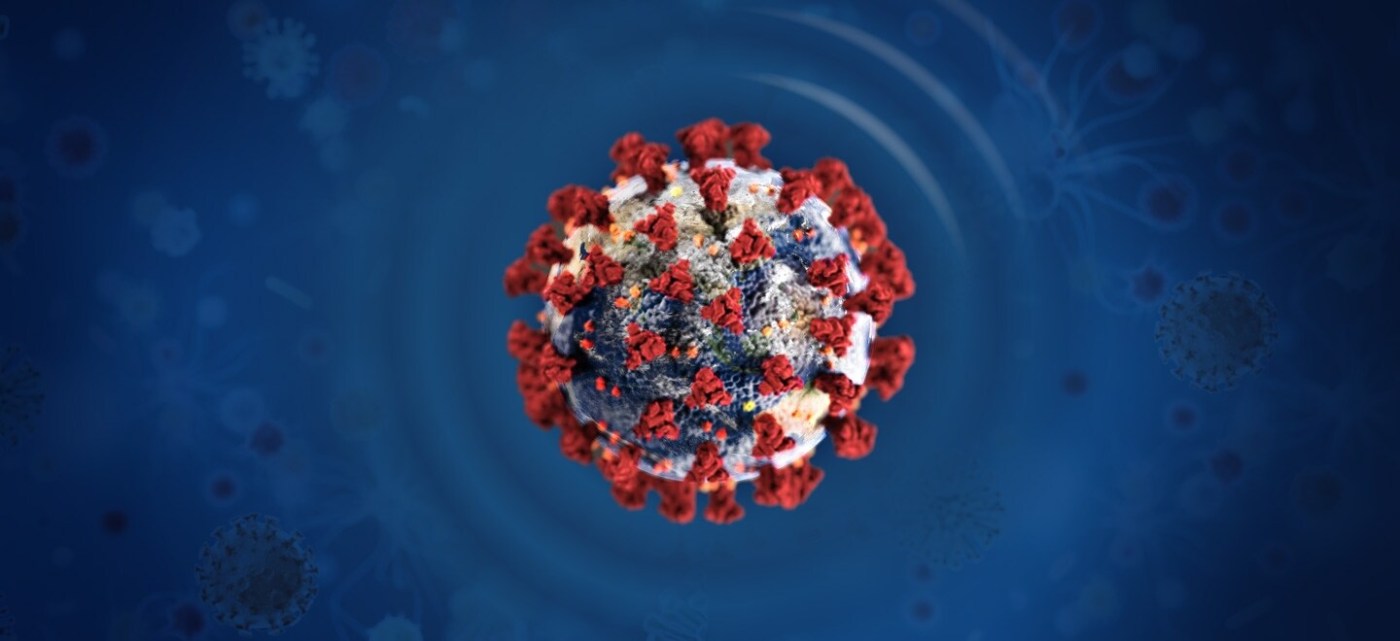
A multi-center study (n=101) of the relationship between chest CT findings and the clinical conditions of coronavirus disease (COVID-19) pneumonia -- published ahead-of-print and open-access in the American Journal of Roentgenology (AJR) -- determined that most patients with COVID-19 pneumonia have ground-glass... Continue Reading →

If you want to reduce levels of inflammation throughout your body, delay the onset of age-related diseases, and live longer, eat less food. That's the conclusion of a new study by scientists from the US and China that provides the... Continue Reading →

International blood pressure guidelines may require review, according to new research that found a link between low blood pressure and higher mortality rates. A largescale study led by the University of Exeter, published in Age and Ageing and funded by NIHR, analysed... Continue Reading →

Using a machine-learning algorithm, MIT researchers have identified a powerful new antibiotic compound. In laboratory tests, the drug killed many of the world's most problematic disease-causing bacteria, including some strains that are resistant to all known antibiotics. It also cleared... Continue Reading →
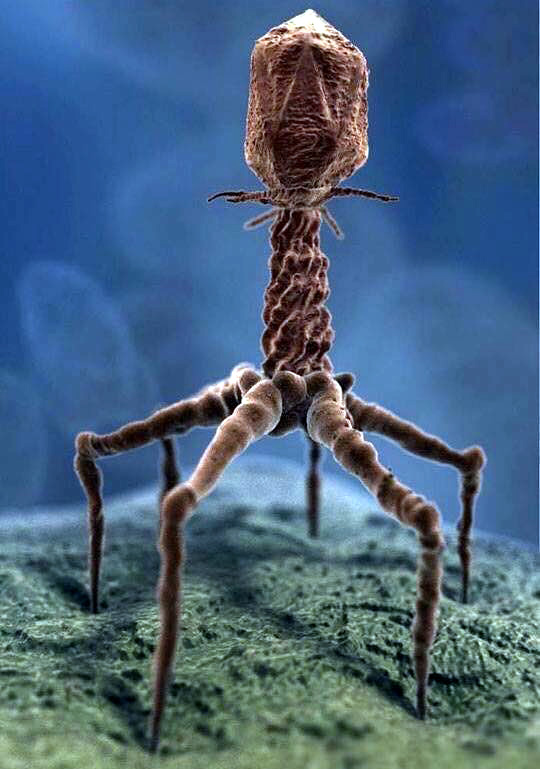
Scientists have discovered hundreds of unusually large, bacteria-killing viruses with capabilities normally associated with living organisms, blurring the line between living microbes and viral machines. These phages -- short for bacteriophages, so-called because they "eat" bacteria -- are of a... Continue Reading →
 Scents of Science