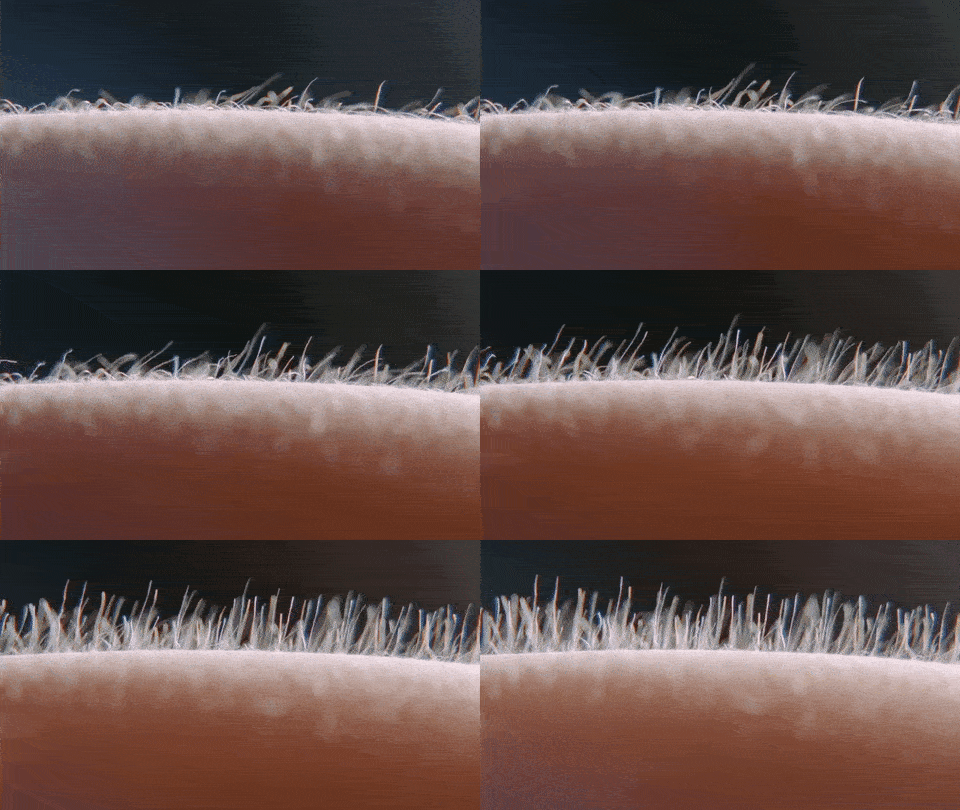
If you've ever wondered why we get goosebumps, you're in good company -- so did Charles Darwin, who mused about them in his writings on evolution. Goosebumps might protect animals with thick fur from the cold, but we humans don't... Continue Reading →
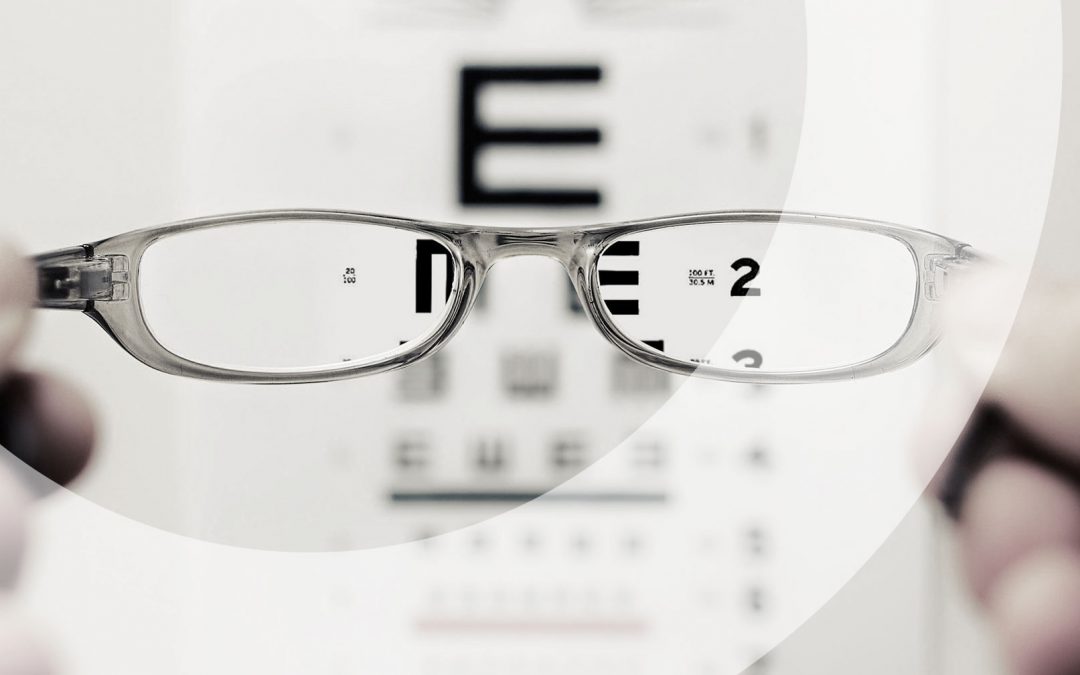
Staring at a deep red light for three minutes a day can significantly improve declining eyesight, finds a new UCL-led study, the first of its kind in humans. Scientists believe the discovery, published in the Journals of Gerontology, could signal the... Continue Reading →
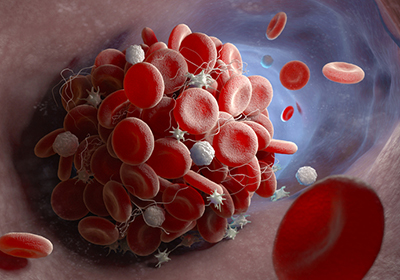
Changes in blood platelets triggered by COVID-19 could contribute to the onset of heart attacks, strokes, and other serious complications in some patients who have the disease, according to University of Utah Health scientists. The researchers found that inflammatory proteins... Continue Reading →
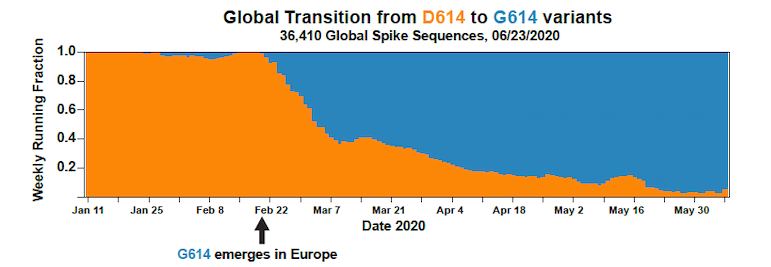
Research out in the journal Cell shows that a specific change in the SARS-CoV-2 coronavirus virus genome, previously associated with increased viral transmission and the spread of COVID-19, is more infectious in cell culture. The variant in question, D614G, makes a small... Continue Reading →
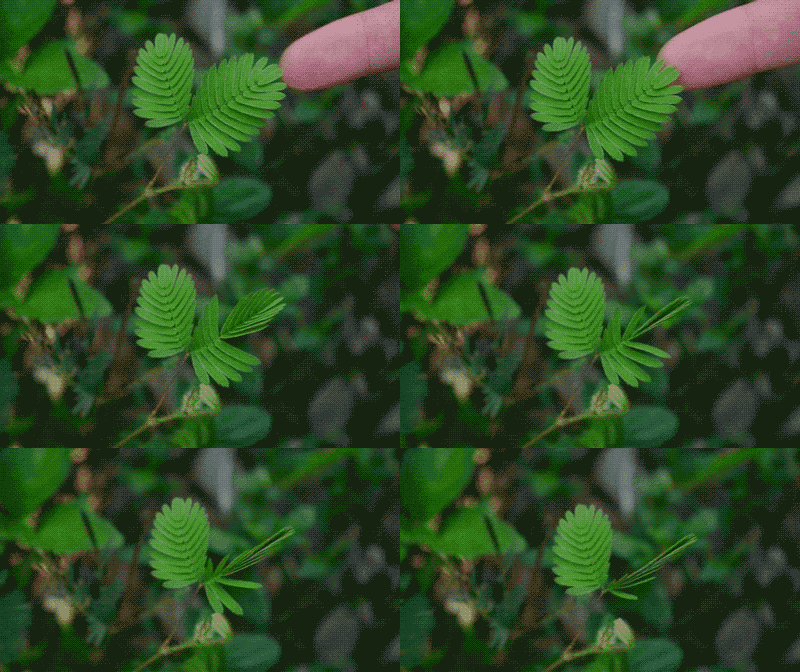
When sunlight shining on a leaf changes rapidly, plants must protect themselves from the ensuing sudden surges of solar energy. To cope with these changes, photosynthetic organisms -- from plants to bacteria -- have developed numerous tactics. Scientists have been... Continue Reading →
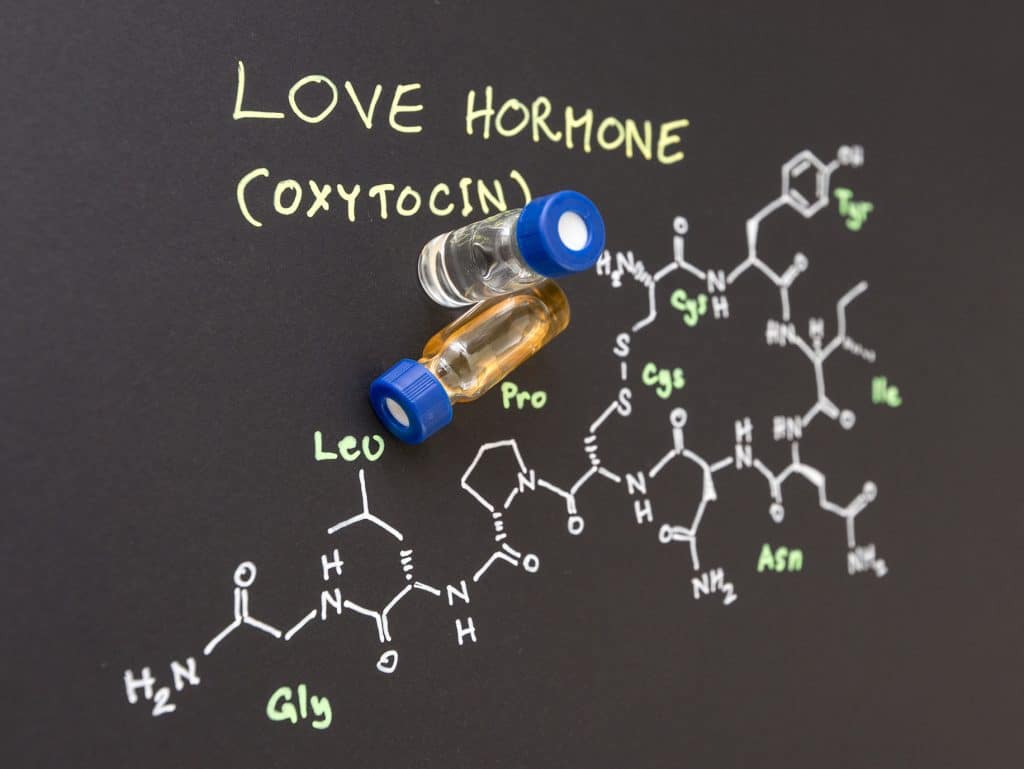
During the pandemic lockdown, as couples have been forced to spend days and weeks in one another's company, some have found their love renewed while others are on their way to divorce court. Oxytocin, a peptide produced in the brain,... Continue Reading →

Obesity affects more than 40 percent of adults in the United States and 13 percent of the global population. With obesity comes a variety of other interconnected diseases including cardiovascular disease, diabetes, and fatty liver disease, which makes the disease... Continue Reading →

Springtime rains can be a surprising source of pollen. University of Iowa researchers report that tree pollen fragments remain in the air for as many as 11 hours after heavy rains, and those granules can make their way deep into... Continue Reading →
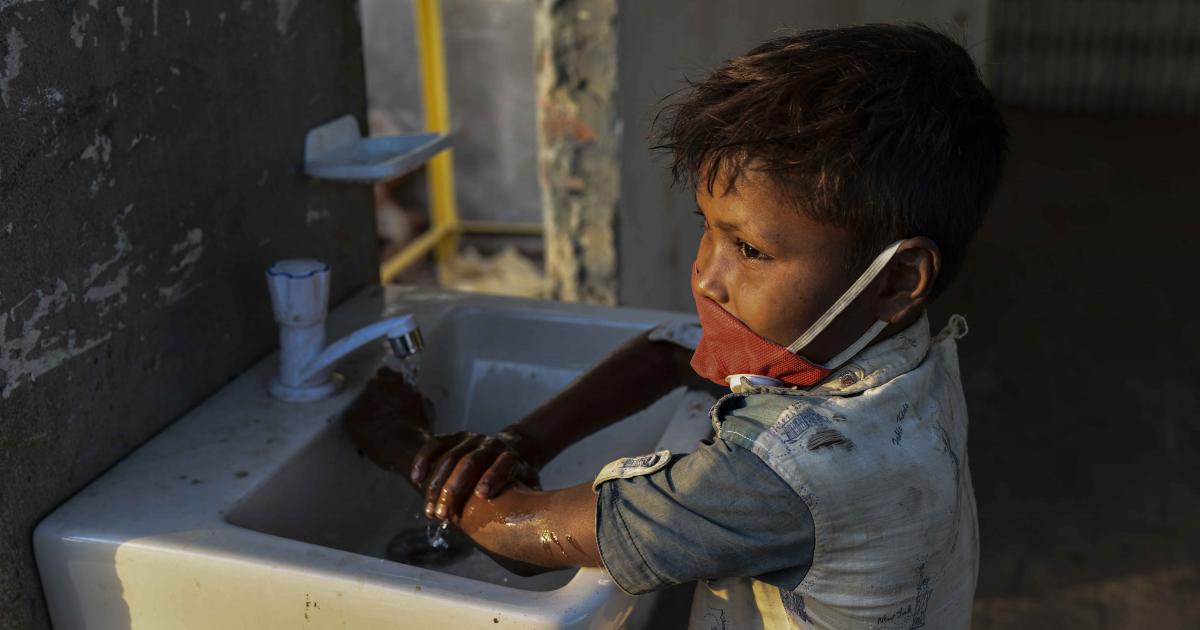
Children, teens and young adults are at greater risk for severe complications from COVID-19 than previously thought and those with underlying health conditions are at even greater risk, according to a study coauthored by a Rutgers researcher. The study, published... Continue Reading →
 Scents of Science