
"We usually enjoy a beautiful environment, socializing, a cosy apartment, good restaurants, a park -- all this inspires us," says Robert Ahrends from the Institute of Analytical Chemistry of the University of Vienna and former group leader at ISAS in... Continue Reading →

Four weeks on a diet of highly processed food led to a strong inflammatory response in the brains of aging rats that was accompanied by behavioral signs of memory loss, a new study has found. Researchers also found that supplementing... Continue Reading →

When you clicked to read this story, a band of cells across the top of your brain sent signals down your spine and out to your hand to tell the muscles in your index finger to press down with just... Continue Reading →
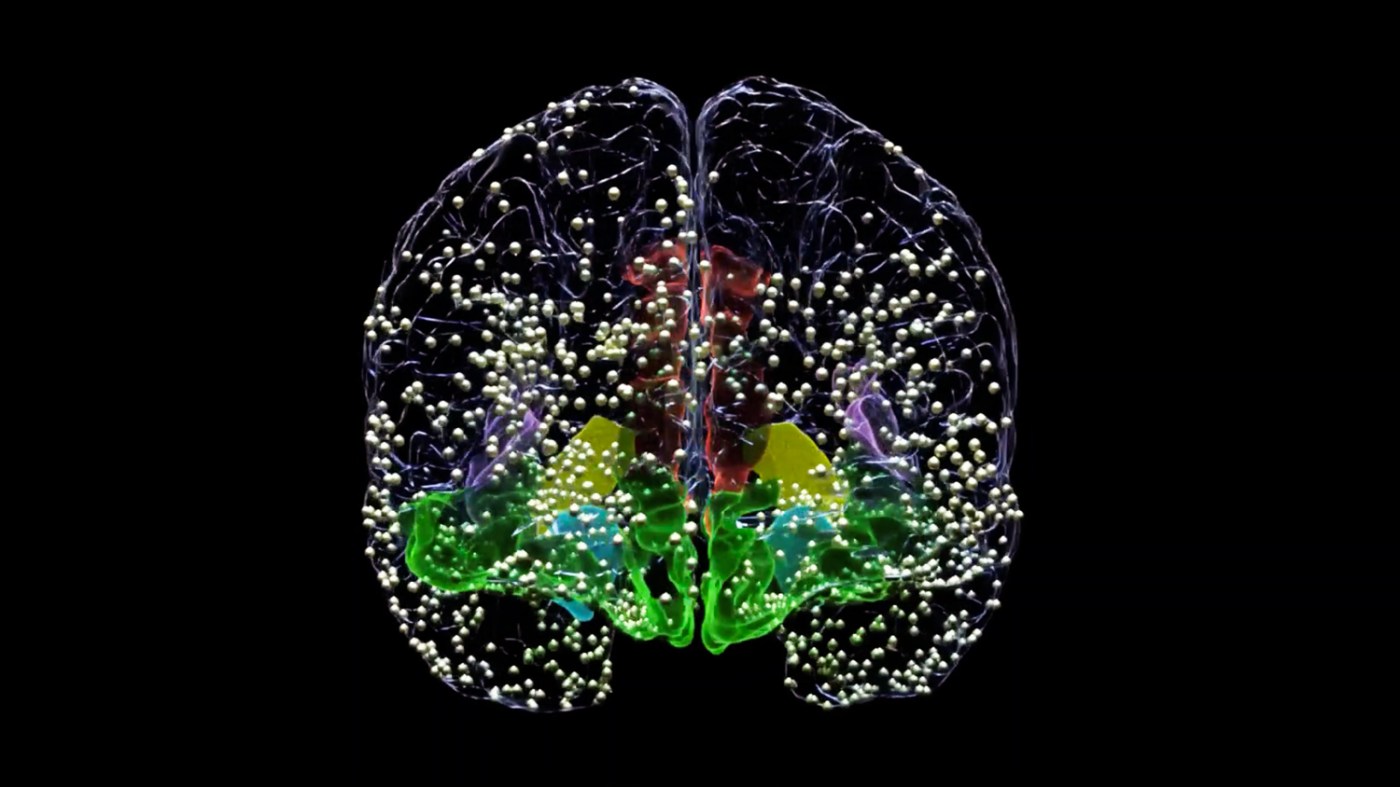
The findings, from researchers at Imperial College London and University of South Carolina, add to mounting evidence that inflammation, and the accompanying release of the molecule histamine, affects a key molecule responsible for mood in the brain – serotonin. If... Continue Reading →
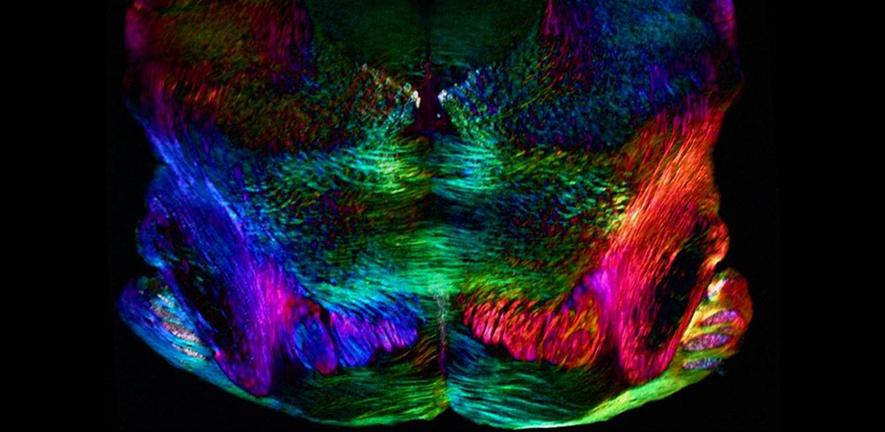
Scientists at Cambridge and Leeds have successfully reversed age-related memory loss in mice and say their discovery could lead to the development of treatments to prevent memory loss in people as they age. In a study published in Molecular Psychiatry, the... Continue Reading →

What information is retained in a memory over time, and which parts get lost? These questions have led to many scientific theories over the years, and now a team of researchers at the Universities of Glasgow and Birmingham have been... Continue Reading →
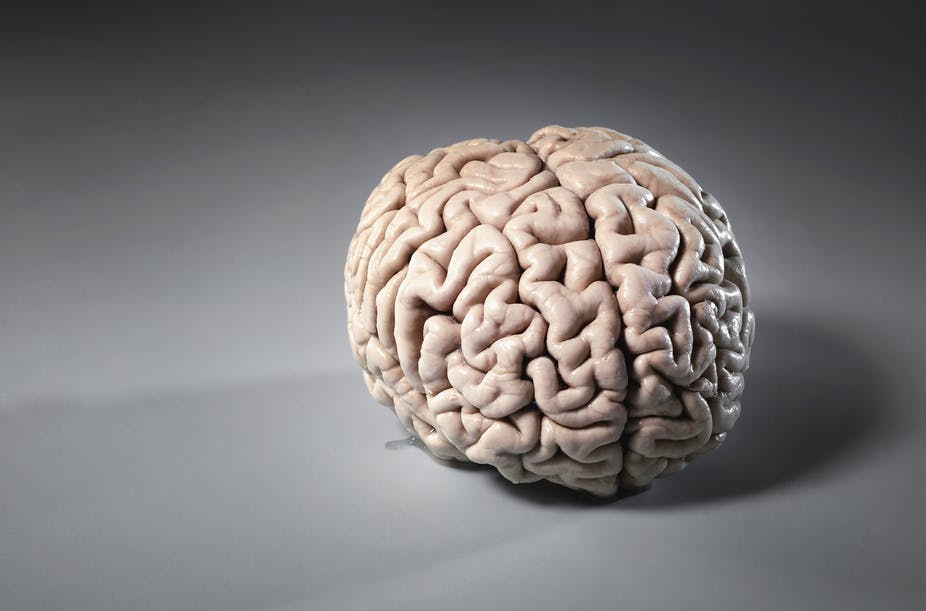
The term "doomscrolling" describes the act of endlessly scrolling through bad news on social media and reading every worrisome tidbit that pops up, a habit that unfortunately seems to have become common during the COVID-19 pandemic. The biology of our... Continue Reading →

A new study from scientists at The Irish Longitudinal Study on Ageing (TILDA) at Trinity College Dublin reveals important findings, indicating that being overweight or obese significantly reduces blood flow in the brain. The study also shows that increased physical... Continue Reading →

Researchers at Albert Einstein College of Medicine have designed an experimental drug that reversed key symptoms of Alzheimer's disease in mice. The drug works by reinvigorating a cellular cleaning mechanism that gets rid of unwanted proteins by digesting and recycling... Continue Reading →
 Scents of Science