
Nearly half of all older adults now die with a diagnosis of dementia listed on their medical record, up 36% from two decades ago, a new study shows. But that sharp rise may have more to do with better public... Continue Reading →

For the first time, MIT neuroscientists have identified a population of neurons in the human brain that lights up when we hear singing, but not other types of music. These neurons, found in the auditory cortex, appear to respond to... Continue Reading →

New research from Northumbria University suggests a link between personality traits and the ability to experience the relaxing sensory phenomenon known as ASMR. The findings also show that it reduces anxiety in those who experience the sensation. A study has... Continue Reading →
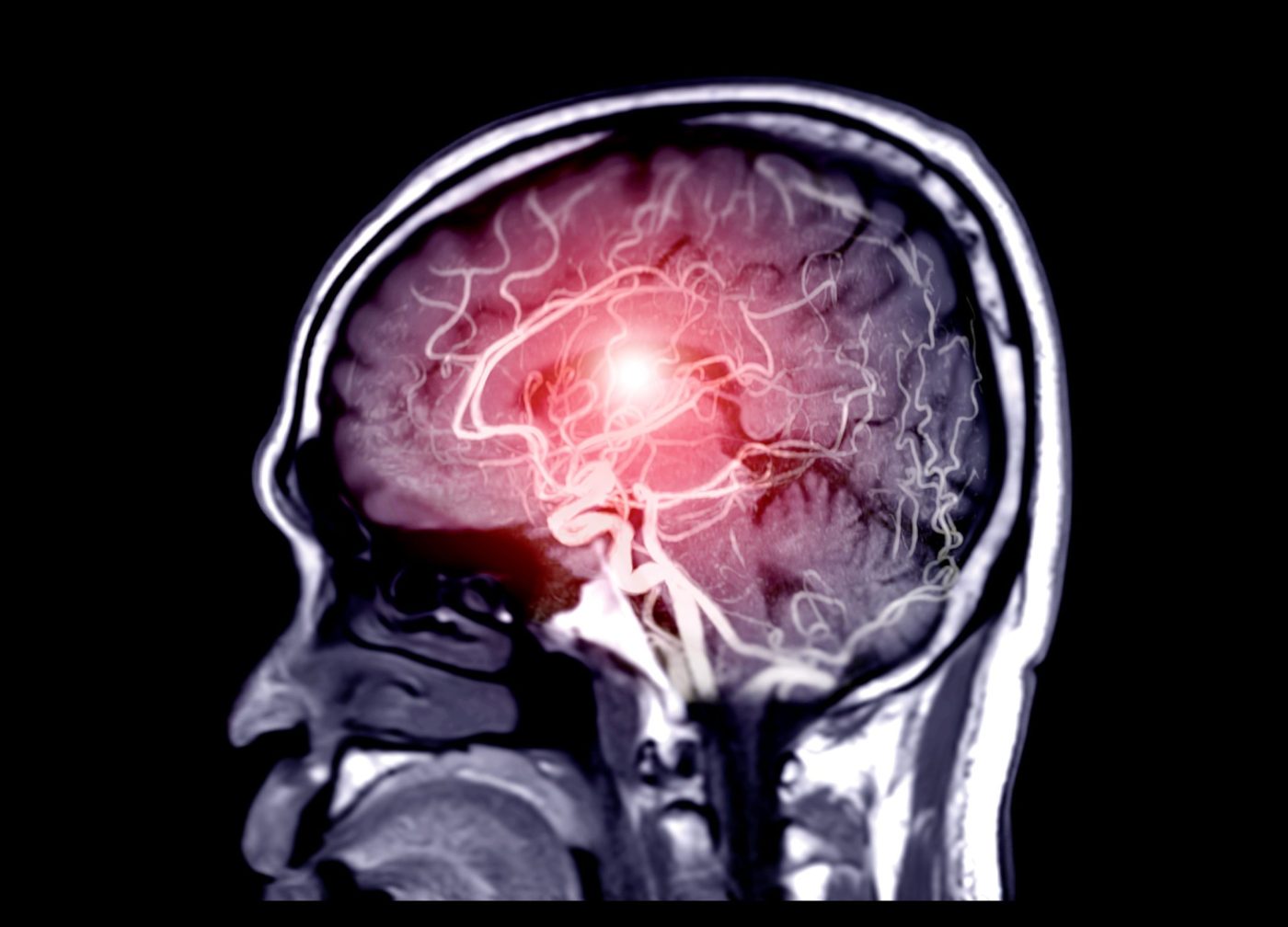
A study led by researchers at Georgia State reveals surprising new information about the relationship between neuron activity and blood flow deep in the brain, as well as how the brain is affected by salt consumption. When neurons are activated,... Continue Reading →

If you are forgetful or make mistakes when in a hurry, a new study from Michigan State University – the largest of its kind to-date – found that meditation could help you to become less error prone. The research, published... Continue Reading →
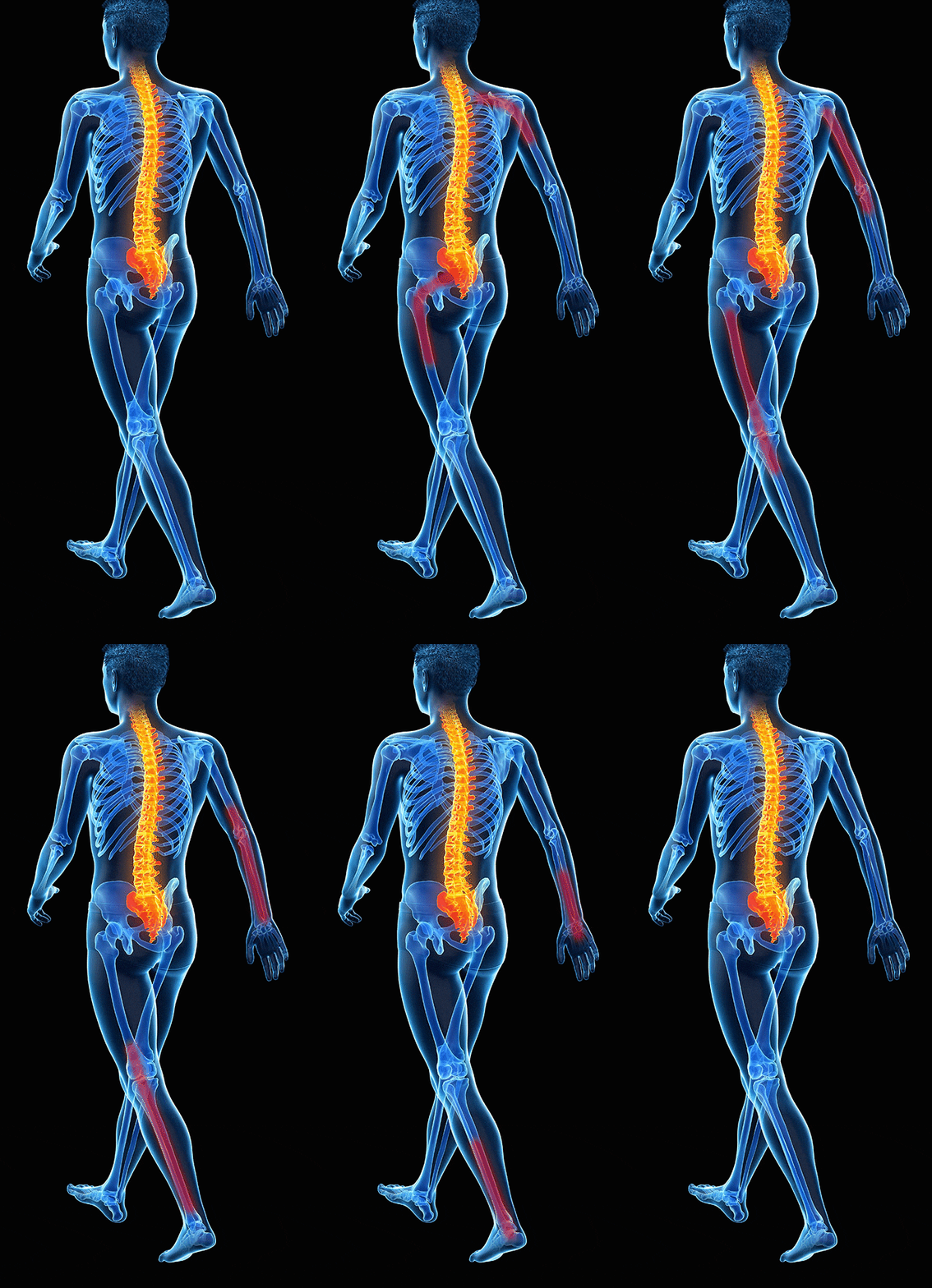
In a new study, researchers administered a single injection to tissues surrounding the spinal cords of paralyzed mice. Just four weeks later, the animals regained the ability to walk. The research will be published in the Nov. 12 issue of... Continue Reading →

Summary: By studying both identical and fraternal twins, researchers suggest that largely the same heredity factors that influence openness to casual sex also influence a person’s moral views toward recreational drug use. Few hallmarks of the 1960s counterculture stand out like... Continue Reading →

Too little and too much sleep linked to cognitive decline Like so many other good things in life, sleep is best in moderation. A multiyear study of older adults found that both short and long sleepers experienced greater cognitive decline... Continue Reading →
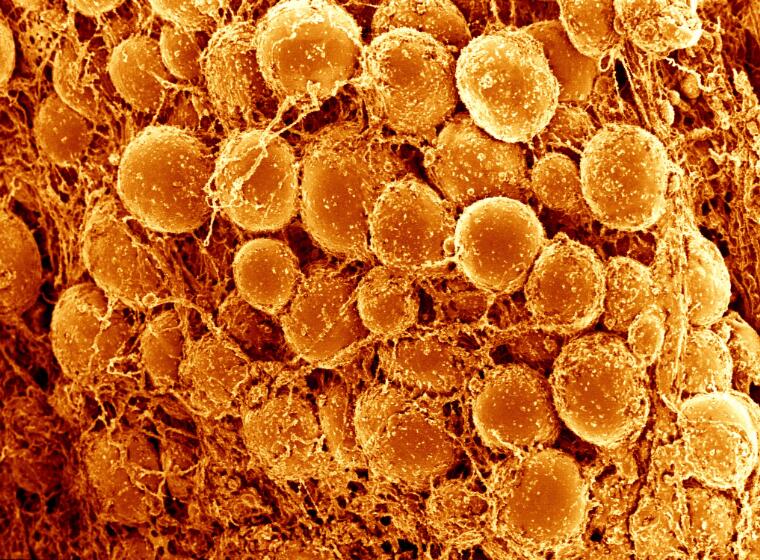
Findings published last week reveal new insights into the role of fat cells in cognitive decline and neurodegeneration, according to a study that involves the oxidant amplification loop led by Marshall University scientists. The research, published in iScience, shows that fat... Continue Reading →
 Scents of Science