
Head injuries can harm hundreds of genes in the brain in a way that increases people’s risk for a wide range of neurological and psychiatric disorders, UCLA life scientists report. The researchers identified for the first time master genes that... Continue Reading →

When it comes to perceiving music, the human brain is much more tuned in to certain types of rhythms than others, according to a new study from MIT. A team of neuroscientists has found that people are biased toward hearing... Continue Reading →

An international research team led by Carnegie Mellon University has found that when the brain “reads” or decodes a sentence in English or Portuguese, its neural activation patterns are the same. Published in NeuroImage, the study is the first to... Continue Reading →
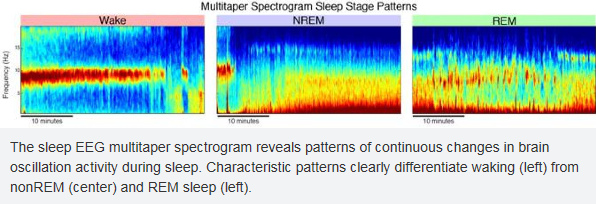
Massachusetts General Hospital (MGH) investigators have developed a novel approach to analyze brainwaves during sleep, which promises to give a more detailed and accurate depiction of neurophysiological changes than provided by a traditional sleep study. In a report published in... Continue Reading →

Scientists at UC Berkeley, Nanyang Technological University in Singapore, Université Paris Descartes and Dartmouth College have found that blinking does more than lubricate dry eyes and protect them from irritants. In a study published in today's online edition of the... Continue Reading →
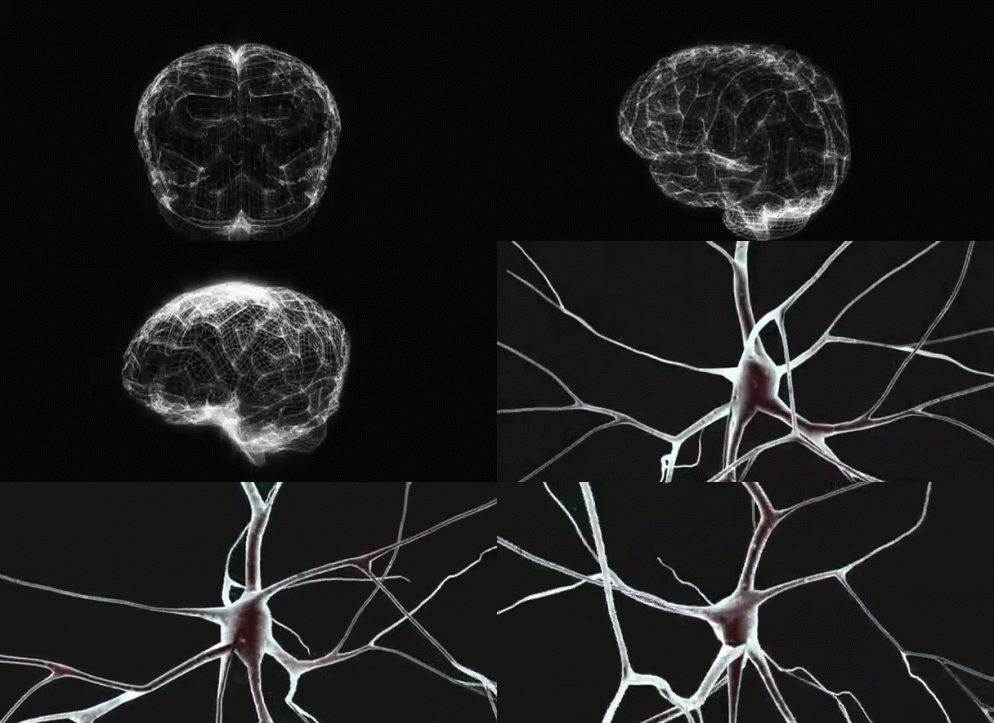
Prediction is crucial for brain function—without forecasting, our actions would always be too late because of the delay in neural processing. However, there has been limited theoretical work explaining how our brains perform perceptual predictions over time. In the latest... Continue Reading →

If you've ever been tempted to confront someone slurping their soup in a restaurant, or if a person breathing loudly next to you in the movie theater is enough to make your blood boil, then you're not alone: You're one... Continue Reading →

Chemical recalibration of brain cells during sleep is crucial for learning, and sleeping pills may sabotage it. Studying mice, scientists at Johns Hopkins have fortified evidence that a key purpose of sleep is to recalibrate the brain cells responsible for... Continue Reading →

New research published online in The FASEB Journal suggests that omega-3 polyunsaturated fatty acids, which are found in fish oil, could improve the function of the glymphatic system, which facilitates the clearance of waste from the brain, and promote the... Continue Reading →
 Scents of Science